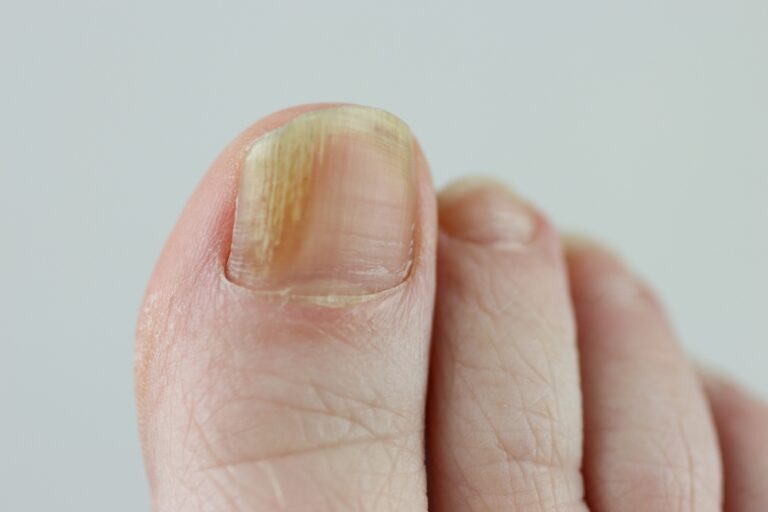
A lump on the side of foot can be a source of concern and discomfort. Be it a small bump or an aching growth, the presence of something unusual could raise questions in your mind, such as: “What is this, and how do I get rid of it?”
What’s Causing the Lump on the Side of My Foot?
A bump on the side of your foot may be caused by one of several problems, of which some are more common than others. These lumps can be of various shapes and sizes; their texture may also be different, so it’s important to note how they feel and if you’re experiencing any other problems. The following are some of the most probable causes of a lump on the side of your foot.
1. Bunions
Bunions are those unappealing swellings that often appear on the side of the foot, near the big toe. This swelling occurs when the joint at the base of the big toe becomes misaligned. A bunion may be very annoying in that it causes pain, swelling, and discomfort wearing shoes.
Symptoms of Bunions:
- A prominent bony bump located at the base of the big toe.
- Pain and sensitivity, particularly when walking and standing.
- Swelling or redness around the affected joint.
2. Ganglion Cysts
These are fluid-filled sacs that commonly appear around the tendons or joints of the feet. They are not harmful but can be quite uncomfortable, especially when they press on a nerve or rub against something in such a way that it is irritating. The ganglion cyst can appear anywhere on the foot, including on the side of it, with some varying in size from tiny to quite large.
Symptoms of Ganglion Cysts:
- The first sign is a smooth, rounded lump.
- The lump is firm but movable in the skin.
- You may feel pain or discomfort, particularly if you wear shoes that are too tight or exert pressure on your feet during physical activity.
3. Morton’s Neuroma
Morton’s neuroma is the thickening of the tissue surrounding the nerve leading to your toes, usually between the third and fourth toes. Although it is most commonly felt on the bottom of the foot, it can also create a visible bump on the side if the nerve becomes irritated. Morton’s neuroma often produces a burning sensation, numbness, or a sharp pain, particularly when wearing shoes that crowd the toes.
Symptoms of Morton’s Neuroma:
- A tingling or burning sensation in the ball of your foot.
- Pain between the toes, particularly when standing or walking.
- A noticeable lump or thickening in the area of concern.
4. Cysts or Lipomas
Occasionally, a lump on the side of the foot might be a harmless cyst or lipoma, which is essentially a fatty growth situated beneath the skin. These sorts of lumps are usually nothing to be concerned about, but they can be irritating or ugly, particularly when they happen along the outer edge of the foot.
Symptoms of Lipomas or Cysts:
- A soft lump, easily moved under the skin.
- No pain, or only slight discomfort, unless it is large or putting pressure on nerves.
- A lump that remains about the same size.
5. Bony Prominence or Bone Spur
The lump could be a bony prominence, such as a bone spur, if it feels hard or like bone. Generally, bone spurs develop in response to repeated stress or pressure upon bones of the foot, stimulating their growth. Though they can occur anywhere on the foot, they are most frequent along the edges of the foot or around the heel area.
Signs of a Bone Spur:
- A hard, sometimes painful bump.
- Pain upon walking, which is exacerbated by tight shoes.
- A gradual increase in size or prominence.
6. Plantar Fasciitis
Although plantar fasciitis predominantly is thought to affect the heel, the condition does indeed present swelling or lumps on the side of the foot due to inflammation of tissues. The characteristic symptom of the condition would be heel or arch pain; however, it is also possible for inflammation along the edge of the foot to develop, especially in more serious cases.
Signs of Plantar Fasciitis:
- Heel pain after prolonged periods of standing or walking.
- Swelling in the foot.
- A feeling of tension or tightness is often most marked in the morning.
7. Tendinitis
Tendinitis occurs when the tendon becomes irritated or inflamed, commonly due to overuse or strain. This may be associated with swelling, tenderness, and a lump formed on the side of the foot. A lump on the outside could involve the peroneal tendon.
Symptoms of Tendinitis:
- Swelling and tenderness along the affected tendon.
- Activity-related pain that is worsened by increased activity.
- Stiffness in the foot
8. Foot Injuries
You could develop a lump if you have recently injured your foot, such as a sprained ankle or something falling on your foot. This may result from a swelling, bruising, or even the formation of a hematoma, which is a collection of blood under your skin. These types of lumps will be tender and may be painful to press on.
Foot Injury Symptoms:
- Swelling and discoloration around the site of injury.
- A lump, soft or hard, that is apparent after the blow
- Pain when you bear weight on the foot.
When to Seek Medical Care Not every lump that appears on the side of your foot calls for a doctor, but some things are worth a closer look. You’ll want to see a healthcare professional if you notice any of the following:
- The presence of a painful lump that constantly bothers an individual, whether they are walking or standing.
- Rapid expansion is a red flag. if it becomes swollen quickly, or its size increases dramatically.
- Watch for changes in appearance, too. Any discoloration, such as red or purple, or a change in texture is cause for concern.
- If the lump starts to impede your foot or toe movement, that’s another reason to seek medical advice.
This will most likely be followed by a physical exam from a physician. Imaging studies such as X-rays, MRI, and ultrasounds may be ordered to determine the cause. After the diagnosis is made, a treatment recommendation will be given. The approach will range from conservative, like resting and physical therapy, to surgical intervention if the condition calls for it.

Addressing Lumps on the Side of Your Foot
The appropriate treatment for a lump on the side of the foot hinges on what’s causing it. Here’s a look at some typical treatments, depending on the specific condition:
1. Rest and Ice
When dealing with most lumps from overuse, such as tendinitis or a fresh injury, the initial course of action is to give your foot a break and use ice to calm down the swelling. You might have to cut back on activities that put weight on it for a bit.
2. Shoe Adjustments
If the reason for this lump happens to be a bunion or ganglion cyst, wearing the right shoes may ease the pain and prevent further irritation. A spacious toe box and soft material are what you need in a shoe to reduce pressure on the problem area.
3. Corticosteroid Injections
If inflammation is the cause of the lump, your doctor may recommend a corticosteroid injection to reduce the swelling and alleviate pain. This is especially the case with disorders like tendinitis and Morton’s neuroma.
4. Surgery At times
surgery is necessary to take out the lump or to correct the cause. Bunions or ganglion cysts, for example, may need surgical treatment if other treatments have no effect.
5. Physical Therapy
When it is related to the muscle or tendons, such as tendinitis or Morton’s neuroma, physical therapy could help. It can help stretch and strengthen the foot, potentially easing pain and enhancing movement.
6. Observation
If the lump is tiny, doesn’t cause any problems, and isn’t getting bigger, a “watchful waiting” strategy could be the best course. This is often the case with harmless lipomas or small ganglion cysts.
Conclusion
A lump on the side of your foot could be the result of several different things, from something harmless like a ganglion cyst to more serious problems such as bone spurs or tendonitis. Keep a close eye on the lump, noting any signs of pain, an increase in size, or alterations in the surrounding area. If you’re uncertain about what’s causing it, or if the lump is bothering you, don’t hesitate to consult a doctor. They’ll be able to pinpoint the issue and discuss potential treatments After all, your feet carry you through life, so they deserve good care and attention.
Medical Disclaimer
This article shares information for educational purposes—it’s not medical advice, diagnosis, or treatment. If you have health questions or concerns, talk to a qualified healthcare professional. Don’t ignore or put off professional advice because of anything you read here.