Running feels great—most of the time. But if you’re a regular runner, you’ve probably felt that annoying ache in your feet after a run. You’re not alone. This is what people call “runner’s foot,” and it covers a bunch of foot issues that pop up thanks to running. Sometimes it’s your shoes, sometimes it’s your running style, and sometimes, honestly, it’s just doing too much.
Let’s break down what’s actually happening in your feet when you run, look at the injuries that show up most, and talk about what you can do to avoid foot pain—or at least fix it if it shows up.
What Is Runner’s Foot, Anyway?
Runner’s foot is just a catch-all term for foot pain or injury from running. Every time you pound the pavement, your feet take a beating. Bones, tendons, ligaments, muscles—they all get stressed. Maybe you feel pain on the top of your foot, or maybe it’s your arch, your heel, or the sides. Usually it’s from doing too much, wearing bad shoes, or just not running right.
Some of these problems are super common: blisters, plantar fasciitis, metatarsalgia, and runner’s toe (that ugly black toenail). If you don’t deal with them, they can really mess with your running routine. But take care of your feet, and you can keep going strong.
Common Foot Injuries for Runners
If you run, you’ll probably run into at least one of these:
1. Runner’s Toe (Black Toenail)
Ever finished a long run and noticed one of your toenails turning black? That’s runner’s toe. It happens when your toe keeps banging into the front of your shoe. Do this enough, and sometimes the nail even falls off. Not pretty.
How to avoid it: Make sure your shoes have a roomy toe box. If your shoes are too tight, your toes get squished and bruised.
2. Metatarsalgia
This one’s all about pain and burning in the ball of your foot, right under your toes. It gets worse if you run on hard ground.
How to avoid it: Get shoes with more cushion, or try orthotics to spread out the pressure. Hard surfaces like concrete? Skip them when you can.
3. Plantar Fasciitis
If you wake up and your heel or arch screams at you when you take those first steps, you might have plantar fasciitis. The tissue along the bottom of your foot gets irritated or inflamed.
How to avoid it: Stretch your calves and arches before you run. Go for shoes with good arch support. And again, stay away from super hard surfaces if you can.
4. Blisters
Blisters are the worst. They show up when your skin rubs against your shoe and a bubble of fluid forms. Most common spots? The arch and toes.
How to avoid it: Wear socks that wick away sweat, and make sure your shoes fit well so they don’t rub.
5. Stress Fractures
Push yourself too hard or ramp up your mileage too fast, and you can get tiny cracks in your foot bones. That’s a stress fracture, and it’ll stop you in your tracks.
How to avoid it: Increase your mileage slowly, wear supportive shoes, and mix in other activities to give your feet a break.
6. Tendinitis
This happens when you overwork the tendons in your feet—especially the Achilles tendon at the back of your heel and lower calf. It gets sore and swollen.
How to avoid it: Rest, ice, and stretch out those muscles. Strengthen your calves to take pressure off your tendons.
Pain on Top of Your Foot After Running
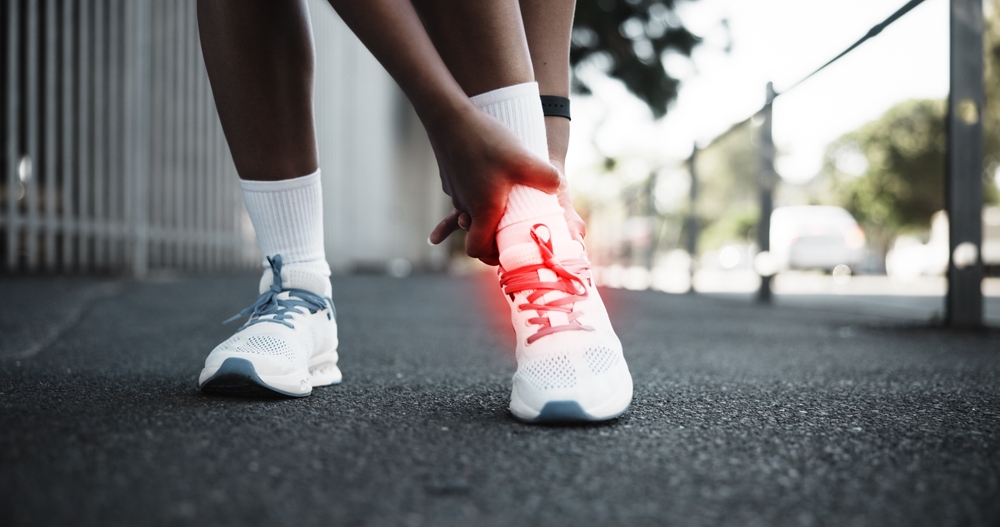
A lot of runners complain about pain on the top of their foot after a run. Usually, it’s from cramming your feet into tight shoes or pushing too hard. The bones and tendons on top of your foot aren’t as tough as you think.
What’s going on? It could be:
- Extensor tendonitis (the tendons on top get inflamed)
- Shoes that are too tight or have a high arch pressing down
- Just plain overuse—running too much, too fast, too soon
What helps? Make sure your shoes fit—leave a bit of space at the toe box. Don’t lace up too tight. And listen to your feet. If they hurt, ease up.
Take care of your feet, and they’ll take care of you.
Take breaks and put your feet up every now and then.
After a long run, cool your feet down with some ice to cut down on swelling.
Let’s talk foot anatomy for a second. Runners deal with a lot of foot issues, so it helps to know what’s actually going on down there. Your foot’s a mix of bones, muscles, tendons, and ligaments, all working together to absorb shock and keep you steady with every stride.
Here are the main parts you’ll want to know:
Arch: Think of this as your foot’s built-in spring. It softens the blow every time you hit the ground.
Heel: This is your landing pad. The heel takes most of the impact when your foot strikes down.
Toes: They’re small, but they do a lot of work pushing you forward.
Ball of the foot: Right under those long middle bones (the metatarsals). If you’ve ever had a weird ache here, that’s probably metatarsalgia.
Top of the foot: Home to the tendons and ligaments that hook your toes up to the rest of your foot.
Knowing these spots helps you figure out where pain’s coming from and what to do about it.
Tips for Preventing Foot Pain When You Run
Runners’ feet go through a lot. Here’s how to keep yours happy and avoid injuries:
1. Find Shoes That Actually Fit
Good shoes matter more than you think. Get a pair that supports your arch and cushions your heel. Pick shoes based on your foot shape—high arch, flat, or somewhere in between.
2. Don’t Skip the Warm Up
Stretch before and after you run. It gets your muscles and tendons ready to move. Pay extra attention to your calves, hamstrings, and feet. Try things like leg swings or lunges to get your blood flowing.
3. Take It Slow
Don’t try to double your mileage overnight. Give your body time to get used to running more or harder. Sticking to that “no more than 10% increase a week” rule helps keep injuries away.
4. Strengthen Your Feet
The stronger your feet, the less likely you’ll get hurt. Toe curls and balance moves make a difference. Bands are great for working your feet and ankles, too.
5. Rest When You Need It
Your feet aren’t machines. They need days off to recover. If you start to hurt, listen to your body. Take a break. It’s better to lose a day than lose a month to injury.
6. Try Foot Care Tools
Stuff like orthotic insoles or foot rollers can give extra support or help with soreness. If you run long distances, a little extra care goes a long way.
Conclusion
Runner’s foot is a frequent problem for anyone who runs. From blisters to metatarsalgia, the pain and irritation can disrupt training and impact running performance. With a little attention, understanding, and some preventative measures, you can keep your feet in good shape. Knowing how your foot is built and spotting the signs of typical running injuries allows you to catch issues before they become serious. The secret to running without pain isn’t just about the act of running itself; it’s about looking after the feet that do the work. Stay vigilant, pay attention to what your body tells you, and relish the rewards of running, pain-free!
Medical Disclaimer
This article shares information for educational purposes—it’s not medical advice, diagnosis, or treatment. If you have health questions or concerns, talk to a qualified healthcare professional. Don’t ignore or put off professional advice because of anything you read here.