Ever sat in the dentist’s chair and heard them drop the phrase “calculus bridge”? Sounds pretty serious, doesn’t it? You might be thinking—what is that, exactly? Is it just another word for tartar or plaque? And should you actually be concerned?
Let’s clear it up. Here’s what a calculus bridge is, how it forms, what it does to your teeth, and—most importantly—how to get rid of it.
What is a Calculus Bridge?
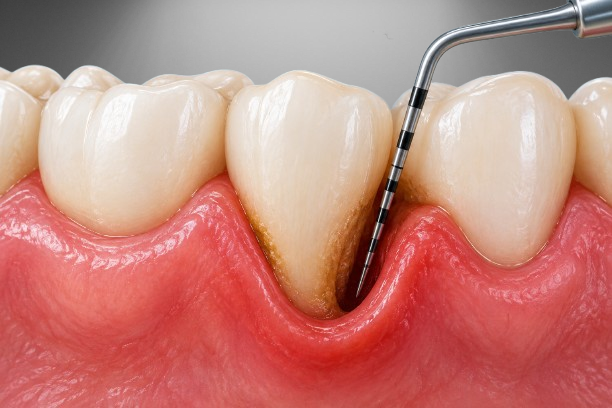
A calculus bridge is just a big chunk of hardened plaque (yeah, tartar) that builds up on your teeth. Plaque is that sticky film that loves to hang out on your teeth after you eat or drink. If you don’t brush and floss it away, it hardens, grabs onto your teeth, and before you know it, you’ve got a stubborn deposit. When this stuff piles up and actually connects across teeth—almost like a little bridge—that’s what dentists call a calculus bridge.
How Does Calculus Form on Your Teeth?
Let’s take it from the top.
First, there’s plaque. It’s soft, sticky, and full of bacteria. It forms all the time—no matter what you eat or drink. If you skip brushing or flossing, that plaque just sits there.
Next, your saliva comes into play. It’s got minerals like calcium and phosphate. Leave plaque on your teeth for a while and those minerals start to turn it hard—this is tartar, or dental calculus.
Now, if the tartar builds up along your gumline or between your teeth, it sometimes connects and forms a bridge. That’s the calculus bridge. It’s not just unsightly—it can really mess with your gums and teeth if you ignore it.

What is the Difference Between Plaque, Tartar, and Calculus?
People get these mixed up all the time.
Plaque is the soft, sticky stuff you can feel on your teeth. It’s easy to brush away if you’re on top of it.
Tartar (or calculus—they’re the same thing) is what you get when plaque hardens. Regular brushing won’t get rid of it, though. You’ll need a dentist for that.
A calculus bridge is just a bigger, meaner patch of tartar that usually forms between or around your teeth. It’s tough to clean with your regular toothbrush and floss.
Why Is a Calculus Bridge a Big Deal?
Leaving a calculus bridge alone isn’t a good idea. Here’s why:
Gum disease. All that tartar irritates your gums. You can end up with gingivitis or even periodontitis—both are forms of gum disease. Think bleeding gums, bad breath, and gums that start to pull away from your teeth.
Cavities. The bacteria in tartar make acid that eats away at your enamel. That’s how cavities get started.
Bad breath. No surprise here—bacteria trapped in tartar stink, and the smell sticks around.
Tooth sensitivity. As your gums recede, your tooth roots get exposed. Suddenly, hot coffee or ice cream starts to hurt.
Looks. Let’s be honest—those yellow or brown bridges don’t look great. People get self-conscious about their smiles.
Types of Calculus: Above and Below the Gumline
You’ll hear dentists talk about two kinds of calculus:
Supragingival calculus sits above the gumline. You can usually see it, and your dentist can scrape it off during a cleaning.
Subgingival calculus hides below the gumline. You can’t spot it without dental tools, and it can be trickier to remove.
What Causes a Calculus Bridge?
So why do some people get these bridges in the first place?
1. Poor oral hygiene: Skip brushing and flossing, and plaque turns to tartar before you know it.
2. Diet: Love sugary or starchy foods? Bacteria do, too. They feed on those carbs and make more plaque.
3. Smoking or chewing tobacco: These habits make it easier for tartar to build up—and the bridges get worse.
4. Dry mouth: Saliva usually helps wash away plaque. If your mouth’s dry from meds or health issues, you’re at higher risk.
5. Genetics: Some folks just have saliva that’s more likely to help plaque turn to calculus. Sometimes it runs in the family.
Spotting a calculus bridge on your own isn’t always easy, but some signs can tip you off:
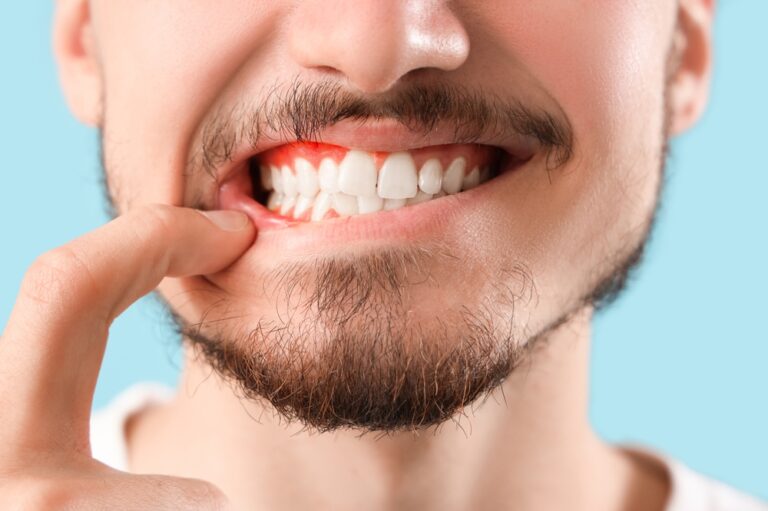
Bleeding Gums: If your gums bleed when you brush or floss, that’s often a clue. Calculus buildup can irritate your gums and trigger gum disease.
Bad Breath: Still dealing with bad breath even after brushing? That’s probably tartar or bacteria piling up and sticking around.
Gum Recession: If your gums seem to be pulling back from your teeth, calculus might be to blame. It can really irritate your gums and make them recede.
Tooth Sensitivity: When gums recede and roots get exposed, teeth feel more sensitive—especially to hot or cold.
Keeping calculus bridges at bay is a lot easier than dealing with them after they’ve formed. Here’s how you can protect your teeth and gums:
1. Brush Twice a Day
Two minutes, every time. Get all those surfaces. Fluoride toothpaste helps stop plaque before it turns into stubborn tartar.
2. Floss Daily
Flossing gets to spots your toothbrush just can’t reach. It clears away food and plaque between teeth.
3. See Your Dentist Regularly
Home care is great, but nothing beats a professional cleaning. Go every six months if you can—your dentist can reach places you can’t.
4. Cut Back on Sugar
Sugar and starch feed bacteria, which means more plaque. Less sugar, less trouble.
5. Quit Smoking
Smoking ramps up your risk for tartar and gum disease. If you quit, your mouth will thank you.
Already got a calculus bridge? Regular brushing won’t cut it—you’ll need your dentist’s help to get rid of it. Here’s what usually happens at the dentist’s office:
Caling: Your dentist or hygienist uses special tools to scrape tartar off your teeth and below the gumline.
Root Planing: If the calculus has crept under the gums, root planing might be necessary to smooth the tooth roots and get rid of any leftover tartar.
Polishing: After scaling, your teeth get polished to wipe out any last bits of plaque and make the surface smoother—so tartar has a harder time sticking around.
If things have gotten pretty severe, your dentist might suggest more treatment or send you to a gum specialist.
Conclusion
Preserve Your Smile A calculus bridge might appear minor, yet neglecting it can result in significant health complications. The best defense against calculus accumulation is a steadfast oral care regimen, encompassing brushing, flossing, and routine dental check-ups.
Medical Disclaimer
This article shares information for educational purposes—it’s not medical advice, diagnosis, or treatment. If you have health questions or concerns, talk to a qualified healthcare professional. Don’t ignore or put off professional advice because of anything you read here.