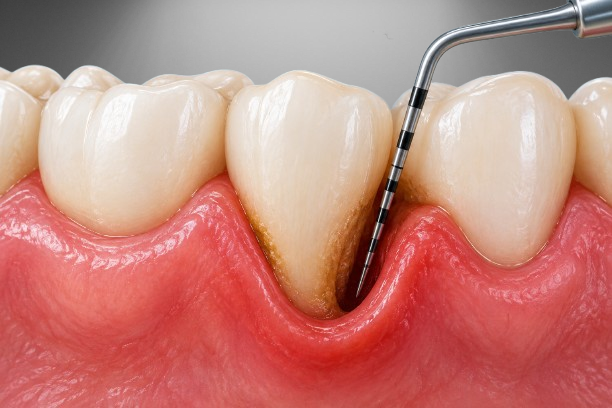
Finding a hole in your gums can freak you out, especially if you have no idea where it came from or what to do about it. Maybe you spot a little gap by your back molar, or there’s a weird sore along your gum line that just won’t go away. Either way, it’s hard not to wonder what’s actually happening in your mouth. The good news? You’re not alone, and you’ve got options. Let’s talk about what causes these holes, what symptoms to watch for, and how you can treat them—plus a few tips for taking care of things at home, if it’s something you can safely handle yourself.
What’s a Hole in the Gum ?
Basically, it’s a break or dip in the soft tissue around your teeth—dentists might call it a “gum crater” or “indentation.” These holes can pop up anywhere, from near your back teeth to the edge of your gum line. Sometimes it’s just a tiny pinprick, other times it’s more obvious, like a mini crater. Either way, it’s your mouth’s way of telling you something’s up.

Why Do I Have a Hole in My Gum?
Figuring out what’s behind that hole is the first step toward fixing it. There are a few usual suspects:
1. Gum Disease (Gingivitis or Periodontitis)
Gingivitis shows up first—think red, swollen gums, maybe a little bleeding. Plaque builds up, and your gums start to suffer. Occasionally, you’ll see small holes or dips.
If you ignore gingivitis, it can turn into periodontitis. That’s when things get real—deeper pockets form, and holes in the gum tissue aren’t uncommon.
2. Tooth Decay
Cavities aren’t just for teeth. If decay creeps down to your gum line, it can eat away at both tooth and gum, leaving you with a hole—especially if the infection drops below the surface.
3. Infection
A bacterial infection can show up after dental work (like an extraction), or just as a nasty surprise. You might notice swelling, pain, or even a little hole that leaks pus. Don’t mess around with this—sometimes you need a dentist to clear it up.
4. Trauma or Injury
Ever flossed with a little too much enthusiasm? Or bit into something sharp? Small injuries can tear into your gums, leaving holes or cuts. Usually, they heal on their own, but if they get infected, you’re looking at a bigger problem.
5. Gum Recession
Sometimes your gums just pull back—blame hard brushing, getting older, or even smoking. This exposes the roots of your teeth and can make your gum line look full of tiny holes or notches.
6. Abscesses
An abscess is basically a pocket of pus caused by infection—maybe from an untreated cavity or gum disease. It’s painful, swollen, and often leaves a visible hole or bump.
7. Wisdom Teeth
Wisdom teeth have a knack for causing problems when they start coming in—or worse, when they get stuck. The gums way in the back can get sore, maybe even end up with little holes.
So, what should you actually look out for?
Sometimes a hole in your gum jumps right out at you. Other times, it sneaks up with barely any warning. Here’s what you need to keep an eye on:
- Soreness or tenderness, especially if it hurts to touch or eat.
- Swelling near the hole or along your gum line.
- Bleeding when you brush or floss—pretty clear sign your gums are struggling.
- Bad breath that just hangs around, which usually points to infection or gum disease.
- Pus coming from the area, often from an abscess.
Notice any of these? Don’t just shrug it off. Small problems can blow up before you know it.
How to Handle a Gum Hole at Home
Here’s what you can actually do yourself if you spot a small hole in your gum.
1. Keep Your Mouth Clean
This sounds obvious, but it matters. Brush gently with a soft-bristled toothbrush—don’t go at it like you’re scrubbing the floor. Get in there with floss or an interdental brush to clean between your teeth, but take it easy. If you brush too hard, you’re just going to make things worse.
2. Rinse With Saltwater
Saltwater’s an easy fix. Just mix a teaspoon of salt into a cup of warm water and swish it around your mouth for about 30 seconds. It soothes the swelling and knocks out some of the bacteria hanging around.
3. Cool Things Down
If you’re hurting or swollen, grab a cold compress. Hold it on the outside of your cheek. It can bring down swelling and help with pain.
4. Try a Hydrogen Peroxide Rinse
Just mix equal parts hydrogen peroxide and water, then swish it around your mouth for a bit. It helps kill bacteria and keeps things clean.
5. Stay Away From Irritants
Skip smoking, spicy foods, or anything acidic. All that’s just going to make the hole angrier and slow down healing.
6. Try Over-the-Counter Pain Relief
If it hurts, there’s nothing wrong with taking some ibuprofen or acetaminophen. It can make things more bearable while you heal.
When You Need to See a Dentist
Some situations are just out of your hands, and that’s when you need a professional:
- If the hole is big, hurts a lot, or just won’t heal, make an appointment. You want to rule out infection or an abscess.
- Watch out for signs of infection—swelling, pus, pain that won’t quit.
- If you’ve had gum disease before or think this might be related, don’t wait around. Get it checked.
- Holes near wisdom teeth can mean those teeth are impacted or infected. That usually needs a dentist—sometimes even surgery.
How to Prevent Gum Holes
Really, it comes down to sticking with the basics:
- Brush twice a day with fluoride toothpaste to keep plaque under control.
- Floss every day. It gets rid of gunk between your teeth you can’t reach with a brush.
- Use an antimicrobial mouthwash to knock out bacteria and cut your risk of gum disease.
- See your dentist regularly for check-ups and a good cleaning. They can catch problems before they get serious.
- Don’t smoke. Tobacco just makes everything worse for your gums.
Conclusion
Finding a hole in your gums is unsettling, but don’t panic. Most of the time, with some TLC, your gums can bounce back. Figuring out what caused the hole is key—gum disease, tooth decay, or maybe you bit down on something weird. Tiny holes or craters usually heal with home care, but if things get worse or you spot signs of infection, call your dentist. Acting early and keeping up with oral hygiene goes a long way toward keeping your gums healthy and avoiding bigger problems.
Medical Disclaimer
This article shares information for educational purposes—it’s not medical advice, diagnosis, or treatment. If you have health questions or concerns, talk to a qualified healthcare professional. Don’t ignore or put off professional advice because of anything you read here.