If you’re missing teeth, dental implants usually top the list for replacements. The most common kind? The endosteal implant. These little wonders have helped thousands of people get their smiles—and their bite—back. Thinking about getting one? Here’s what you need to know: what an endosteal implant actually is, how it works, why dentists love them, how they’re placed, what they cost, the perks, and how they stack up against other options.
What’s an Endosteal Implant?
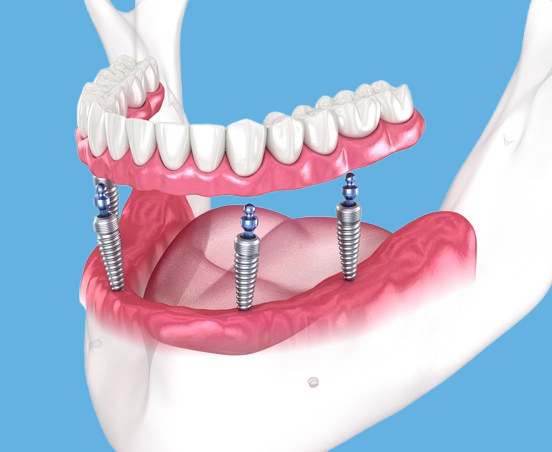
An endosteal implant is basically a small post that a dentist puts right into your jawbone. The name pretty much gives it away—“endo” means inside, “osteal” means bone—so, we’re talking about something that goes right inside your bone. That’s exactly what this implant does. It sits in your jaw like the root of a real tooth, creating a solid foundation for a crown, bridge, or even dentures. Most of these implants use titanium, which is tough stuff and actually bonds to your bone through something called osseointegration.
So, how do endosteal implants actually work?
It’s not an overnight thing. Every part of the process counts when you want your new tooth to feel just right. This is what usually happens:
1. Planning and Consultation: Your dentist looks at your mouth and takes some X-rays. They want to make sure that your jawbone is strong enough to support the implant.
2. Surgery: The dentist starts if you’re ready. They numb your mouth and then put the implant right into your jawbone. It sounds bad, but you won’t feel any pain while it’s happening.
3. Healing and Osseointegration: Now we have to wait. The titanium post will fuse with your jawbone over the next three to six months. This bond keeps the implant from moving at all.
4. Restoration: Once everything’s healed up, your dentist tops the implant with a crown, bridge, or denture. You’re back to biting, chewing, and smiling like nothing ever happened.
Types of Endosteal Implants
Not every endosteal implant looks the same. Dentists pick the type that fits your mouth best:
Cylindrical Implants: The classic—shaped like little cylinders, and the most common type out there.
Blade Implants: These are flat and give more surface area to bond with the bone.
Screw-type implants: They really do look like tiny screws. Dentists use them when you’ve got enough bone for support.
So, why pick endosteal implants?
Simple—dentists swear by them because nothing else really measures up. Here’s why:
- They look and feel real. Once healed, you probably won’t notice the difference between the implant and your natural teeth.
- They last. Made from titanium, these things can stick around for decades if you take care of them.
- They keep your jawbone healthy. Implants actually help preserve bone by stimulating it, so you avoid that sunken look that sometimes happens after losing teeth.
- They work well. You’ll bite, chew, and talk just like you always did.
How Do Endosteal Implants Compare to Other Types?
Now, what if an implant isn’t a good fit? Here’s a quick look at your other option:
1. Subperiosteal Implants
These sit on top of your jawbone, just under the gums. Dentists go with this type if you don’t have enough bone for the usual kind.
2. Transosteal Implants
Rarely used anymore. These go all the way through the jaw and into the chin—not exactly first choice.
3. Endosteal Implants
The gold standard. They anchor right into your jawbone and give most people the best, longest-lasting results.
What Do Endosteal Implants Cost?
Endosteal implants aren’t cheap, but the price actually depends on a few things—where you live, how complicated your case is, and what type of restoration you need. Most people pay between $1,500 and $6,000 for one implant. That covers the implant itself, the surgery, and the crown or whatever restoration you end up getting.
Yeah, it’s a lot up front. Here’s the deal: if you look after them, dental implants stick around for good. Bridges and dentures? You’ll probably end up swapping those out or fiddling with them as the years go by. Implants just keep doing their thing, and in the long run, you save cash and skip the endless repairs.
Why Choose Endosteal Dental Implants?
Endosteal implants come with a bunch of real benefits. Here’s what stands out:
- They actually help your oral health. Because the implant fuses with your bone, it keeps your jawbone healthy and stops bone loss.
- You’re getting a long-term fix. Implants don’t need to be replaced every few years—treat them right, and they’ll stick with you for life.
- They look and feel natural. Most people won’t even know you have an implant, and you won’t feel the difference either.
- Comfort is another big plus. An implant feels just like your own tooth—not like something removable.
Risks and What to Watch Out For
Most people do great with endosteal implants, but let’s be honest, every surgery comes with some risks:
- There’s always a chance of infection where the implant goes in.
- If your jawbone doesn’t heal around the implant, you could lose bone in that area.
- On rare occasions, the implant doesn’t fuse properly and has to be removed.
Is an Endosteal Implant Right for You?
Thinking about getting an endosteal implant? Start with a consultation. A good dentist or oral surgeon will check your bone health and make sure this is the best choice for you.
Your age, overall health, and the state of your jawbone all matter. Not everyone is a perfect candidate, but a dental professional can walk you through your options.
Conclusion
Endosteal implants really deliver when it comes to replacing missing teeth. They look natural, feel just right, and stick around for years—sometimes for life. Yeah, they take a bit more time and effort up front than some other fixes, but honestly, the results speak for themselves.
If you’re not sure what to do, just ask a dentist you trust. They’ll walk you through your options and help you decide if implants fit your needs. At the end of the day, going with an endosteal implant is more than just fixing your smile—it’s about looking after your health for the long haul. And honestly, that’s tough to put a price on.
Medical Disclaimer
This article shares information for educational purposes—it’s not medical advice, diagnosis, or treatment. If you have health questions or concerns, talk to a qualified healthcare professional. Don’t ignore or put off professional advice because of anything you read here.