Curious about chalazion surgery? Here’s what you need to know—costs, how long it takes to recover, risks to keep in mind, and some aftercare advice to help you heal faster.
If you’re reading this, you probably have a stubborn lump on your eyelid that just won’t quit. Maybe you’ve tried everything—warm compresses, gentle massages, every trick you found online. But the bump’s still there, refusing to leave, like it owns the place.
That bump is likely a chalazion. It’s basically a blocked oil gland in your eyelid, and sometimes the only real way to kick it out is with surgery. You’ll hear it called chalazion excision, removal, or just an eye chalazion operation.
What’s a Chalazion ?
A chalazion (it’s kuh-LAY-zee-on, but nobody cares if you just call it an “eye cyst”) is a painless lump that pops up when an oil gland in your eyelid gets blocked.
Chalazion vs. Stye—What’s the Difference?
People mix these up all the time, so here’s how you tell:
| Feature | Stye | Chalazion |
|---|---|---|
| Appearance | Red, looks like a little pimple. | Hard, painless lump. |
| Pain | Hurts, usually sore to the touch. | Usually doesn’t hurt. |
| Cause | It’s infected. | Not an infection, just a blocked gland. |
| Duration | Heals pretty fast. | Can stick around for weeks or even months. |
Sometimes a stye sticks around and turns into a chalazion. That’s why people say, “I had a stye, it went away, but the lump stayed.” That leftover lump is your chalazion.
How to Spot a Chalazion
Look out for these signs:
- A firm, painless bump inside your eyelid
- Pressure against your eye
- Mildly blurry vision (from the pressure, not the lump itself)
- Redness on the lid
- That weird “full” or heavy feeling
- A cyst near the corner of your eye or by the tear duct
- A lump under your lower eyelid
- A bump that laughs at your home remedies
When to See a Doctor
Go see your eye doctor if:
- It sticks around more than 2–3 weeks
- It keeps getting bigger
- You can still feel a lump after surgery
- It messes with your vision
- It starts to hurt (could be infected)
- You keep getting new ones
Why Surgery?
Most chalazions disappear on their own with warm compresses and a little patience. But some just dig in their heels and refuse to leave.
Doctors recommend surgery if:
- It’s been there more than a month (sometimes up to three)
- It keeps coming back
- It’s messing with your sight
- It’s pressing on your eyeball
- It hurts
- It’s big enough to bother you or make you self-conscious
- You just want it gone, fast
Some folks can’t or don’t want a steroid shot, so surgery is the way to go.
What Actually Happens During Chalazion Surgery?
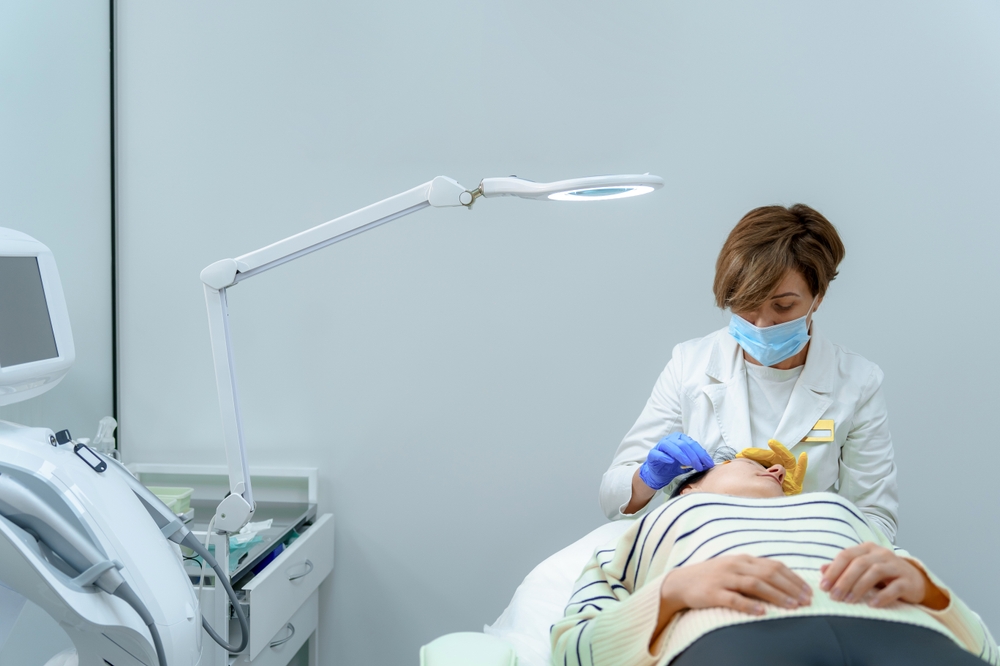
No need to freak out—it’s usually done right in the eye doctor’s clinic. The whole thing takes about 10 to 20 minutes, and you bounce back pretty quickly. Here’s how it goes:
1: Numbing the Eyelid
The doctor gives you a tiny shot of local anesthesia. Does it hurt? Sure, a quick pinch or sting, but it’s over fast. Once it kicks in, you won’t feel pain—just some odd pressure.
2: The Chalazion Clamp
They use a little metal clamp to keep your eyelid still and protect your eye. You won’t feel the clamp itself, but you’ll notice some pressure.
3: Flipping the Eyelid
This part sounds worse than it is. The doctor gently flips your eyelid so they can get to the chalazion from the inside. That’s why you don’t end up with a visible scar—the cut is inside your lid.
4: Making the Incision
The doctor makes a tiny cut on the inside of your eyelid. This lets them drain the chalazion, clean out any hardened junk, and scrape the inner wall of the cyst. That scraping is important—skip it, and the chalazion could come back.
5: Draining the Bump
Now they get rid of all the stuff inside: oil, pus, hardened gland material, the cyst lining, even scar tissue. This is what finally gets rid of that stubborn lump.
6: Clean-Up and Pressure Patch
When the chalazion’s drained, the doctor puts on some antibiotic ointment. Sometimes you get a small pressure patch for a few hours. No stitches needed.
That’s it. The whole thing’s pretty straightforward, and most people are back to normal before they know it.
How long does chalazion surgery take?
The actual procedure is quick—usually just 10 to 20 minutes. You’ll probably spend about 30 to 60 minutes total at the clinic, including paperwork and prep. Most people go back to their usual routine the very next day. Full recovery takes about 2 to 4 weeks.
What’s recovery like after chalazion removal?
Most people recover smoothly, but you should know what to expect. Right after surgery, it’s normal to have mild swelling, redness, maybe a bit of bruising or some watery eyes. Your eyelid might feel a little sore or tender, and you could notice a sandy sensation or a small bump from swelling. Some people get a tiny bit of bleeding or discharge, or feel like there’s something in their eye. All of this usually gets better within 5 to 10 days.
Healing timeline—what happens when?
Stage 1: Right after surgery (first 24 hours)
Your eyelid will feel numb, maybe a bit of pressure. You might see a little bloody tearing as swelling starts.
Stage 2: Early recovery (days 1 to 3)
Bruising often shows up, swelling can get a bit worse, and the eyelid stays tender. This is when you start using warm compresses.
Stage 3: Mid recovery (days 4 to 10)
Swelling starts to go down, bruising fades, vision clears, and your eyelid feels a lot better.
Stage 4: Final recovery (weeks 2 to 4)
Your eyelid looks and feels normal again. Any scar tissue softens, and any leftover bump fades away.
If you still feel a lump after four weeks, it could be lingering swelling, a bit of scar tissue, a new chalazion, or maybe the first one didn’t drain completely. Time to check in with your doctor if that happens.
Aftercare—what should you do?
Your doctor will probably tell you to:
- Use warm compresses. Start these a day or two after surgery, for about 15 minutes, two to four times a day.
- Apply antibiotic ointment to prevent infection and help healing.
- Skip makeup for at least a week (better to go 10 days).
- Avoid contact lenses for at least a week.
- Don’t rub or press on your eyelid—let it heal.
- Keep the area clean, using gentle hygiene and clean hands.
- Come back for a follow-up visit, usually in a week or two.
Possible complications—should you worry?
Chalazion surgery is very safe. Most people have zero problems. Rarely, you could get an infection, a bit of bleeding, or another chalazion in the same spot. Sometimes the cyst is too tough and doesn’t drain completely, or you get a little scarring (usually inside the lid, so not visible). Temporary eyelid droop happens sometimes, but it’s rare. Serious side effects are extremely uncommon.
How much does chalazion surgery cost?
It depends on where you live and whether you have insurance.
United States:
With insurance, expect to pay $50–$300. Without insurance, it runs $500–$1,200. Hospital-based surgery usually costs more.
United Kingdom:
The NHS usually covers it. Private clinics charge £300–£800.
Things like your location, the surgeon’s experience, type of anesthesia, and follow-up visits all affect the price.
Frequently asked questions
Q. How can you get rid of a chalazion without surgery?
Try warm compresses, gentle eyelid massage, or steroid ointment or injections. If these don’t work, surgery is the next step.
Q. Do chalazions itch?
Yes, especially while they’re healing. Totally normal.
Q. Can a chalazion blur your vision?
Yes, but only because it presses on your eyeball—not because it damages your vision.
Q. Will a chalazion heal on its own?
A lot of them do, but some can hang around for months.
Q. Is chalazion surgery painful?
Nope. You’ll feel some pressure, but not pain.
Q. How long do chalazions last?
Anywhere from a few weeks to a few months.
Q. Is stye surgery the same as chalazion surgery?
Pretty much—both procedures are almost identical.
Conclusion
If you’ve had this stubborn bump for weeks or months, surgery can be a game changer. It’s quick, safe, and works well—most people wish they hadn’t waited so long.
You might hear it called chalazion excision, eye cyst removal, chalazion op, stye surgery, or just “getting this annoying bump off my eyelid.” Doesn’t matter. The point is simple: getting relief.
If your chalazion just won’t leave, talk to an eye doctor. You deserve to see clearly and feel good again.
Medical Disclaimer
This article shares information for educational purposes—it’s not medical advice, diagnosis, or treatment. If you have health questions or concerns, talk to a qualified healthcare professional. Don’t ignore or put off professional advice because of anything you read here.