Recovering from gallbladder surgery—cholecystectomy, if you want the technical name—can really mess with your sleep. A lot of people find themselves tossing and turning, struggling to get comfortable after surgery. If you’re lying there at night wondering how on earth you’re supposed to sleep after gallbladder removal, you’re definitely not alone. Let’s cut through the confusion and talk about real-world ways to get some decent rest while your body recovers.
Why Sleeping After Gallbladder Surgery Is Such a Struggle
Let’s be real—getting good sleep after gallbladder surgery can feel impossible. Doesn’t matter if you had a laparoscopic procedure or the classic open surgery. Either way, you’re left with a sore belly and a body that just wants to heal, but everything seems to hurt, especially when you’re trying to sleep.
Here’s what usually gets in the way:
Abdominal Pain: That spot where the surgeon worked is tender, maybe even flat-out painful. Lying on your back or side? Sometimes both feel wrong.
Gas and Bloating: After surgery, you’ll probably feel puffed up and gassy. It’s uncomfortable, and it can make you toss and turn all night.
Sleep Schedule All Out of Whack: Surgery is stressful, no question. Throw in some changes to your diet and maybe a few new meds, and suddenly your normal sleep rhythm is gone.
Can’t Find a Good Position: No matter how you twist or turn, it might feel like every position puts pressure on those incisions. Getting comfortable is almost a game of trial and error.
How to Actually Sleep After Gallbladder Surgery
1. Start on Your Back
Right after surgery, sleeping on your back usually works best. It keeps pressure off your incisions and makes things less painful. Stack some pillows under your head and knees—trust me, that helps. Raising your knees a bit can take the strain off your belly.
Quick tip: Slide a pillow or rolled-up towel under your knees if you need more support.
2. Side Sleeping—When Does It Get Easier?
A lot of people want to know, “Can I sleep on my side yet?” Not right away. Give it a few days, maybe a week—basically, let your body tell you when it’s ready. If things start to feel less sore, try easing onto your non-surgical side and see how it goes. But don’t force it too soon.
Most folks can handle side sleeping again after a week or two, but if you’re still uncomfortable, check with your doctor before you try it.
3. Make Friends with Pillows
Pillows are game changers. They help you support your body and keep pressure off those sore spots. If you’re on your back, put a pillow under your knees. If you’re testing out side sleeping, try hugging a pillow to keep your body steady and avoid twisting around your incisions.
4. Deal with Gas and Bloating
Gas is just part of the deal after this surgery. It’s uncomfortable, but you can manage it. Talk to your doctor about gas relief meds like Gas-X—they can help. A gentle belly massage (move in circles around your abdomen, but stay gentle near your incisions) can also get things moving. Sleeping with your head and upper body elevated—think 30 to 45 degrees—can help gas work its way through and make sleeping a bit easier.
5. Don’t Rush to Sleep on Your Stomach
One thing you don’t want to do: sleep on your stomach. At least not for a few weeks—usually two to four. Your stomach will still be tender, and putting weight on the surgical site just slows down your healing. Plus, if you’re already dealing with gas or bloating, lying on your stomach only makes it worse.
6. Stick to a Sleep Schedule and Cut Out Distractions
After surgery, your sleep can get thrown off pretty easily. But keeping a regular sleep routine really helps your body recover. Head to bed and get up at the same time every day—even if you’re having trouble drifting off at first. Try to skip the electronics and steer clear of caffeine before bed; both can mess with your ability to fall asleep.
7. Talk to Your Doctor if Pain Keeps You Up
If pain is making it hard to sleep after your gallbladder surgery, don’t just tough it out. Talk to your doctor. They can tweak your pain meds or come up with a better plan so you can actually rest. Sleep is key for healing, so it’s worth sorting this out.
Gallbladder Surgery Recovery Time: What to Expect
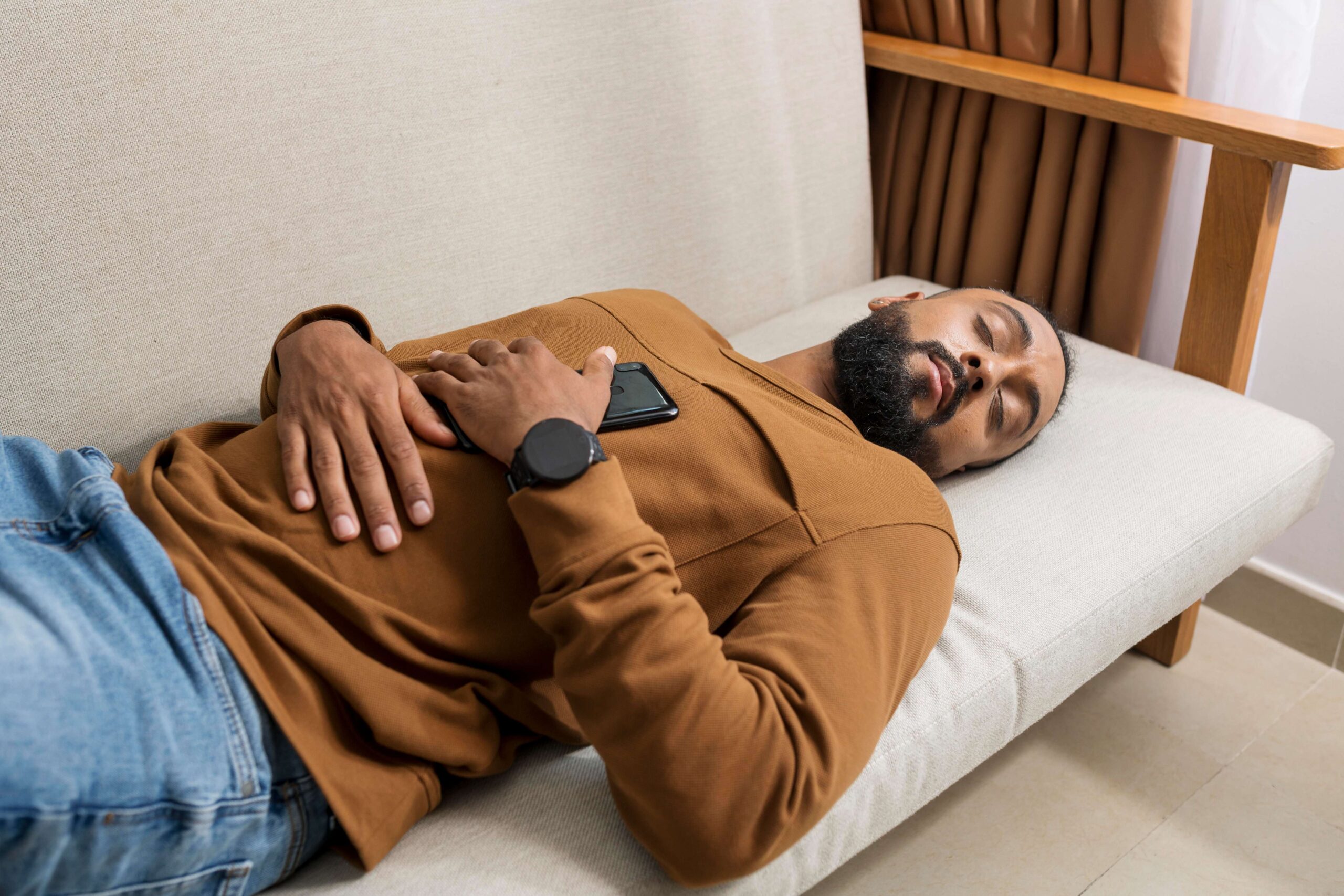
How long it takes to bounce back from a cholecystectomy really depends on the type of surgery you had, your health, and how closely you follow your doctor’s advice. Most people who have laparoscopic surgery feel better in about 1 to 2 weeks. If you had open surgery, you’re probably looking at 4 to 6 weeks.
Even when your body’s mostly healed up, your digestion still needs time to adjust to life without a gallbladder. You might notice some weird stomach stuff, mild aches, or just feel totally drained now and then. Listen to what your body’s telling you and don’t rush things.
Conclusion
Getting good sleep after gallbladder surgery isn’t just a bonus—it’s a huge part of recovery. While you sleep, your body repairs itself, and honestly, your mood and mind need the break too. Getting comfortable at night can be tough. Here’s what actually helps:
Start by sleeping on your back for the first few days. Grab a few pillows and use them to support yourself, especially around your incision—that way, you ease the pressure and maybe get some real rest.
Wait at least a week before you try sleeping on your side, and take it slow.
If you’re dealing with gas or bloating, use medicine if you need it and try sleeping with your upper body raised.
Skip sleeping on your stomach for at least a couple of weeks.
Remember, recovery doesn’t happen overnight. Be patient with yourself.
If something doesn’t feel right or you’re just not sure things are healing the way they should, call your doctor. Seriously, that’s what they’re there for.
Medical Disclaimer
This article shares information for educational purposes—it’s not medical advice, diagnosis, or treatment. If you have health questions or concerns, talk to a qualified healthcare professional. Don’t ignore or put off professional advice because of anything you read here.