Hearing you might have a bone spur in your shoulder can be a little alarming. Most people picture a sharp piece of bone sticking out, tearing things up—but honestly, it’s not quite that simple.
Shoulder bone spurs show up a lot in people with ongoing shoulder pain, stiffness, weakness, or trouble lifting their arm. Sometimes, folks only discover they have a spur because of an X-ray for something else. Worst case, the pain or stiffness gets bad enough to mess with your work, sports, sleep, or basic daily stuff.
But here’s the thing: you don’t always need surgery to feel better. Once you know what causes bone spurs, how they affect your shoulder, and the options for managing them, you’ve got a lot more control over what comes next.
What Is a Bone Spur in Shoulder?
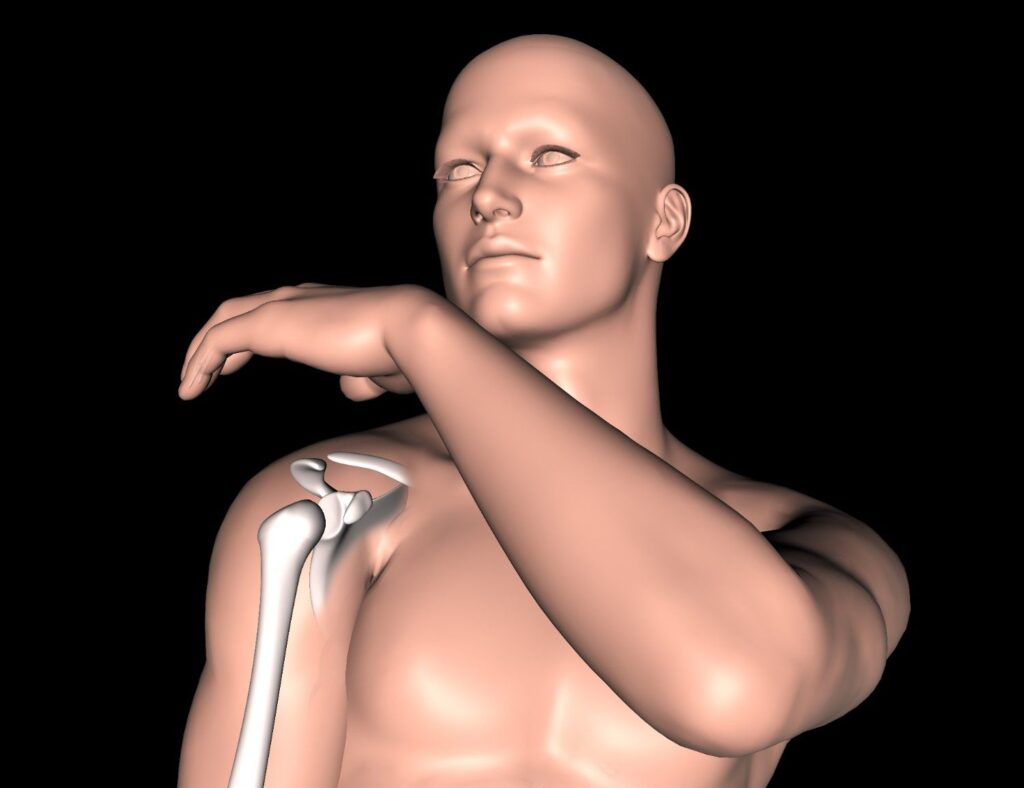
A bone spur (officially called an osteophyte) is just extra bone growth. It forms along the edges of your joint bones. In the shoulder, you mostly see them around:
- The top of the shoulder blade (acromion)
- Collarbone
- Upper arm bone (humerus)
- The AC joint (where collarbone meets shoulder blade)
- Shoulder socket
They show up slowly—years, not days. Causes? Mostly aging, arthritis, wear and tear, chronic inflammation, or old injuries.
Plenty of people walk around with shoulder spurs and feel totally fine. Problems crop up when that extra bone rubs against tendons, muscles, or nerves.
What Causes Shoulder Bone Spurs?
There’s a list of common causes:
1. Osteoarthritis
This is the big one. As cartilage thins and bones grind, the body tries to “fix” things by building extra bone. You’ll hear doctors use words like “inferior osteophytes,” “hook-like osteophytes,” or “marginal osteophyte formation.”
2. Rotator Cuff Trouble
When a spur forms underneath the acromion, it can keep banging against the rotator cuff tendons. After enough friction, you get irritation, inflammation, tendinitis, partial tears—or even a complete tear.
3. Aging
After 50, these bony growths get common. Changes that come with age raise your odds for all sorts of spurs—shoulder, AC joint, or even where the collarbone sits.
4. Previous Injuries
Old dislocations, fractures, repetitive sports injuries, or too many overhead movements change how your shoulder moves. Sometimes your body responds by growing extra bone.
Shoulder Bone Spur Symptoms
Symptoms really depend on where the spur is sitting and how big it is. Main things people notice:
1) Pain
It usually creeps up slowly. You might notice it more when using your arm, worse at night, or radiating down towards your elbow. Overhead reaching or moving your arm behind your back often brings it on.
2) Stiffness
Movements feel tight. Simple things like combing your hair or putting on a shirt can get tricky. Range of motion drops off.
3) Clicking or Grinding
Maybe you hear clicking, popping, or grinding. That’s usually the soft tissues rubbing up against the bony bump.
4) Weakness
As tendons get aggravated, you lose strength. Lifting stuff gets harder.
5) Shoulder Impingement
One of the most common problems shows up when the spur narrows the space under the acromion. That means sharp pain or a pinching feeling when you try to lift your arm.
Can a Shoulder Bone Spur Cause Nerve Damage?
It’s rare, but it happens. If a spur presses directly on a nerve, you might feel:
– Tingling
– Numbness
– Burning or electricity down your arm
– Weakness
If these show up, see your doctor—nerve symptoms need checking out.
Shoulder Bone Spurs and Rotator Cuff Problems
This combo is trouble. The rotator cuff is a group of four little muscles and tendons that hold your shoulder stable. If a spur forms right under the acromion, it sits on top of the supraspinatus tendon—a common place for rubbing and injury.
When that rubbing keeps happening, you can develop tendinitis, bursitis, or even small and then bigger tears in the tendon. It’s a big reason why some people’s pain never fully lets up, even when they rest.
What Does a Shoulder Bone Spur Look Like?
If you ever looked up “bone spur shoulder pictures,” you’ll see a bumpy bit of bone that sticks out of the usual outline. Sometimes it looks like a small hook or a spike.
On X-rays or scans, doctors describe them by location and size (hook-like, subacromial, AC joint, inferior, etc.), and they’ll call them small, moderate, or large. Oddly, size doesn’t always match pain. Sometimes a massive spur causes nothing, and a tiny one drives you crazy.
Shoulder Bone Spur X-Ray Findings
Most of the time, the first test is a shoulder X-ray. X-rays spot bone spurs, arthritis, joint space narrowing, and sometimes degeneration at the AC joint. The radiology report may mention “osteophytes,” “spurring,” “sclerosis,” or even “subcortical changes”—honestly, most of these are common over age 50.
Do You Need a CT Scan?
Not usually. Most spurs show up on regular X-rays. CT scans come into play if surgery’s being planned, anatomy isn’t clear, or after a more complicated injury. The scan gives a precise 3D view—showing exactly where the spur sits and how big it is. MRIs are better for looking at soft tissues (like torn rotator cuffs).
Do Bone Spurs Mean You Have “Bone-on-Bone” Arthritis?
They can go together. If cartilage wears away completely, bone grinds on bone. That hurts, big time—usually with grinding, stiffness, and loads of pain. When that happens, the body will sometimes grow spurs in an attempt to steady the joint.
How Do You Treat a Bone Spur in the Shoulder?
It depends how much it’s bugging you. Most people get a lot better without surgery. Here’s what helps:
– Physical therapy
– Gentle stretching exercises
– Anti-inflammatory medicine
– Changing or limiting activities that spark pain
– Ice and heat
– Cortisone shots
If pain sticks around no matter what, that’s when surgery enters the picture.
Exercises That Help
– Pendulum swing
– Wall walk
– Doorway stretch
– Scapular retractions
Non-Surgical Treatment
The first move is nearly always to try conservative options. Physical therapy works wonders—getting the shoulder moving better, strengthening the rotator cuff, and taking pressure off sore spots. Most people feel way better after a few weeks or months.
Surgery for Shoulder Bone Spurs
Surgery gets considered if:
– Pain stays severe
– Rotator cuff damage shows up
– It’s hard to do everyday things
– You can’t sleep through the pain
Good news: most procedures use an arthroscope and small incisions, so recovery is a lot quicker and you won’t be hurting as much after.
Recovery After Bone Spur Surgery
It depends on what was fixed, but generally:
– First 1–2 weeks: Pain and swelling start dropping, you’ll do gentle movement.
– Weeks 3–6: Range improves, regular activities come back.
– By month 2–3: Most stuff feels pretty normal, but go easy on heavy lifting.
– Full recovery: Typical range is 3–6 months.
When Should You See a Doctor?
Don’t wait around if you have:
- Pain that’s not going away
- Night pain waking you up
- Weakness getting worse
- Loss of motion
- Numbness or tingling
- A noticeable lump
- Symptoms sticking around for weeks
The sooner things get checked, the easier it is to fix.
FAQs
What causes a bone spur in the shoulder?
Mostly arthritis, aging, chronic inflammation, old injuries, or repeated use.
Can they go away on their own?
Not really. The actual bone doesn’t disappear, but symptoms often back off with exercise, stretching, reducing inflammation, and changing habits.
Are they always painful?
Nope. Many people have them and never know. But if the spur pokes the wrong spot, you’ll know.
What does a spur feel like?
Usually aching or sharp pain, stiffness, weakness, clicking, or just less range in your shoulder.
Can they cause arm pain?
Yes, especially if they’re rubbing on nerves or irritating soft tissue.
Is surgery always needed?
No, most people get better without it.
Is surgery effective?
When the spur is the real troublemaker, surgery works well—especially if people stick with rehab.
How long does it take to recover?
Simple clean-up surgeries often let you get back to basics in weeks. Rotator cuff repair adds a few months.
Does arthritis cause spurs?
Absolutely—arthritis is the main driver.
What’s a subacromial osteophyte?
It’s a spur under the tip of the shoulder blade, often tied in with impingement and rotator cuff problems.
Final Thoughts
Bone spurs in shoulder can be no big deal—or the main reason you’re not getting through the day without pain. Most of them grow slowly as you get older, after injuries, or just from using your arms a lot. The spur itself isn’t always a problem, but if it winds up irritating the rotator cuff, tendons, or nerves, things can get miserable.
The good news is, you’ve got options. Physical therapy, targeted exercises, anti-inflammatories, and even simple lifestyle tweaks go a long way for most people. And if you ever need surgery, techniques these days are far less invasive.
if your shoulder keeps acting up, don’t ignore it. Get it checked. That way, you can get back to doing what you love—without all the pain.
References
- Bone Spurs in Shoulder: Symptoms, Images, Causes, and Treatment
- Arthritis of the Shoulder
- CT Scan
- MRI
- Bone Spurs: Symptoms and Causes
- Bone Spur (Osteophyte): Causes, Symptoms and Treatment
Medical Disclaimer
This article shares information for educational purposes—it’s not medical advice, diagnosis, or treatment. If you have health questions or concerns, talk to a qualified healthcare professional. Don’t ignore or put off professional advice because of anything you read here.