Maybe you’ve seen it called low-level laser therapy (LLLT), cold-laser light therapy, or just laser therapy for pain relief. If you’ve battled nagging pain, sports injuries, arthritis, slow-healing wounds, or nerve pain, chances are you’ve come across this treatment in your search for answers.
But what’s the real story behind cold laser therapy? Is it just buzz, or is there actual science there?
Let’s cut through the confusion. This guide isn’t just another surface-level rundown. We’ll get into the science, how doctors actually use it, the risks and benefits, what to expect from a session, and even what the FDA says about all these lasers. We’ll also look at the costs, home devices, and where the research is headed next.
What Exactly Is Cold Laser Therapy?
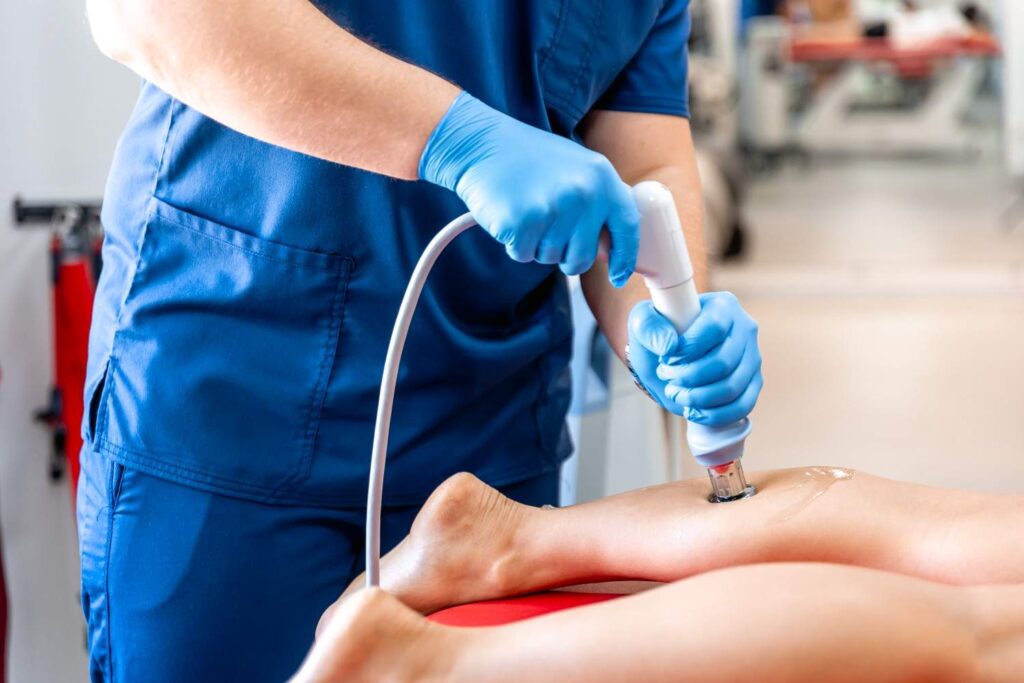
Cold laser therapy uses a medical device that shoots out low-intensity light. You won’t feel any burning, and it doesn’t cut into your skin—the “cold” in the name basically means it doesn’t generate heat like surgical lasers do. So instead of destroying anything, this therapy is all about encouraging your body to heal itself.
For clarity, all these terms basically mean the same thing:
– Cold laser therapy or treatment
– Low-level laser therapy (LLLT)
– Photobiomodulation therapy
– Therapeutic laser therapy
Here’s the simplest way to think about it: Cold laser therapy delivers focused light energy into your tissues. The goal? Give your cells a gentle “push” to jumpstart repair and cut down on pain.
So, What Is a Cold Laser Device?
The device itself is a handheld unit that emits either visible red light (around 600–700 nm) or near-infrared light (780–950 nm). These wavelengths can slip right through your skin and reach the muscles, tendons, nerves, and even some deeper structures. It doesn’t hurt or cause any damage.
How Does Cold Laser Therapy Work?
If you’re curious about what’s actually going on under the skin, scientists think the answer starts with mitochondria—the energy producers living inside your cells. When hit with the right type of light, these mitochondria make more energy (technically, ATP). As a result, there’s a cascade effect: less inflammation, more blood flow, faster tissue repair, more collagen, and possibly even nerve healing. This whole chain reaction is called photobiomodulation.
Think of cold laser therapy as a pep talk for your cells—it encourages them to bounce back and work the way they should.
So, what’s this therapy actually doing?
Researchers have learned a lot so far. Cold laser therapy:
– Eases pain
– Reduces inflammation
– Speeds healing
– Boosts blood flow
– Calms muscle spasms
– Helps nerves heal
– Supports recovery after surgery
Unlike medications that just mask symptoms, cold laser therapy tries to jumpstart your body’s healing from the inside out.
Why Do People Try Cold Laser Therapy?
1) Drug-Free Pain Relief
Biggest draw? You don’t need pain meds. For people trying to skip pills, this is a non-pharmaceutical option.
2) Non-Invasive
No surgery needed—there’s no cutting, poking, or needles. And there’s usually no downtime.
3) Reduces Inflammation
If inflammation’s the villain in your pain story, cold laser can help quiet things down.
4) Faster Recovery
Athletes and rehab patients use this therapy all the time for sprains, overuse injuries, and soreness.
5) Better Mobility
Lots of people report they simply move easier after a few sessions.
6) Minimal Side Effects
Outside of maybe a little redness or mild soreness, side effects are rarely a big deal.
What Can Cold Laser Therapy Help With?
Let’s run through where it turns up most often:
Musculoskeletal pain: Neck, back, shoulders, knees, pretty much any achy joint or muscle.
Sports injuries: Sprains, strains, tendon or muscle injuries.
Arthritis: Osteoarthritis in particular gets a lot of research attention here.
Tennis elbow: Studies say it can help with pain and grip strength.
Neuropathy: Cold laser therapy can boost nerve function and improve circulation.
Post-surgical healing: It speeds up tissue repair and helps ease pain.
Skin treatments: People use cold lasers to improve skin texture and support wound healing. They’re becoming increasingly popular in aesthetic clinics and skin rejuvenation treatments.
Is Cold Laser Therapy Safe?
For most people, yes—cold laser therapy is considered safe. Professional providers know how to avoid risky areas—like your eyes, known tumors, and active bleeding. Minor issues like temporary redness or soreness are about as bad as it gets for most.
Can It Be Harmful?
Not really, if used correctly. Still, it’s always smart to let a trained pro handle the device. Of course, trained professionals know to avoid sensitive spots and follow all the right safety rules.
What about FDA approval?
The FDA has cleared a lot of cold laser devices—mostly for short-term pain relief and treating certain muscle and joint problems. But clearance applies to each device and intended use, not the whole laser therapy field.
Does It Really Work? Is It Legit?
Honestly, it depends on what you’re treating. Scientific studies back up cold laser therapy for some issues—neck pain, tendon problems, joint pain, soft tissue injuries. But results are all over the place, depending on details like device settings, treatment schedule, and individual differences. Some people see clear benefits, others don’t notice much.
What’s a Session Like?
You just sit or lie down. The provider puts the laser against your skin for 5 to 20 minutes, depending on the plan. There’s no pain. Some people feel a gentle warmth, and that’s about it.
What’s This Going to Cost?
Prices jump around depending on the clinic. In a physical therapy office, expect to pay anywhere from around $30 to $75 per session. Fancy orthopedic or sports medicine practices might charge up to $200. Keep in mind, it usually takes more than one treatment.
Will Insurance or Medicare Pay for It?
Don’t count on it. Most insurance plans (including Medicare) don’t routinely cover cold laser therapy, so always double-check with your provider first.
What About Home Cold Laser Devices?
You’ll see tons of gadgets out there—handheld lasers, infrared lights, “LLLT” units for home use. If you go this route, look for FDA-cleared devices, read the instructions, and check with your doctor first. Just know: Home devices are usually weaker than the pro-grade machines you’ll find in clinics.
Cold Laser Therapy vs Acupuncture
Some patients compare the two. Acupuncture uses needles, while cold laser therapy targets those same points with light. If you hate needles or just want something gentler, laser acupuncture could be worth a try.
Cold Laser Therapy vs Red Light Therapy
Similar, but not identical. Red light therapy uses LEDs. So what makes cold lasers special? It all comes down to that focused beam of light. Lasers deliver energy straight into your tissues in a way other lights can’t.
Where’s the Research Headed?
Scientists are testing cold laser therapy in all sorts of areas now—from nerve regrowth to brain health, slow-healing wounds, sports injury recovery, and even skin rejuvenation. They’re still trying to figure out the best settings and techniques for each condition.
The Bottom Line
Cold laser therapy isn’t magic. But for plenty of people, especially those with stubborn pain or chronic injuries, it gives an extra boost to the healing process—without drugs or surgery. If you’re curious, find a reputable provider. Make sure they’re using FDA-cleared equipment and sticking to protocols supported by real research.
At the end of the day, for many folks, cold laser therapy is a safe, low-risk option that works well alongside therapies like physical rehab or other medical care.
—FREQUENTLY ASKED QUESTIONS—
Q. What is cold laser therapy and how does it work?
It’s a treatment that shines low-level light energy into your tissues. That light tells your cells to get busy repairing and healing.
Q. What does cold laser therapy do?
It helps shut down pain, cool off inflammation, and get your body healing.
Q. Is it safe?
Yes, if trained professionals are behind the wheel.
Q. Will the effects last?
That depends on your situation. Some folks see lasting results, while others need regular sessions to keep things under control.
Q. Does cold laser therapy really work?
The research says it can help with certain kinds of pain and injury, but it’s not a guarantee for everyone.
Q. What are the downsides?
Treatments can add up, and insurance coverage is spotty. Plus, some people need a lot of sessions.
Q. Is cold laser therapy FDA approved?
Lots of devices are FDA-cleared for certain medical uses.
Q. How long does it take to notice results?
Some people feel better after just a few sessions. For others, it might take several weeks.
References
- https://www.healthline.com/health/cold-laser-therapy
- https://www.cochrane.org/evidence/CD005107_low-level-laser-therapy-low-back-pain
- https://pmc.ncbi.nlm.nih.gov/articles/PMC3802126/
- https://www.ncbi.nlm.nih.gov/books/NBK596638/
- https://pubmed.ncbi.nlm.nih.gov/28987080/
Medical Disclaimer
This article shares information for educational purposes—it’s not medical advice, diagnosis, or treatment. If you have health questions or concerns, talk to a qualified healthcare professional. Don’t ignore or put off professional advice because of anything you read here.