
Pizza has this magic for gathering people—something about that crispy crust, stretchy cheese, and piles of toppings just pulls everyone in. No surprise it’s a go-to comfort food almost everywhere. But if you have diabetes, you might catch yourself staring at a pizza box and thinking, “Can I really have some without messing up my blood sugar?” The answer’s yes, you can enjoy pizza. You just need to be a little strategic about it. Let’s talk about how to make pizza work with diabetes, so you can savor a slice without all the stress.
Can you eat pizza if you have diabetes?
Absolutely. The real trick is fitting it into your diet in a way that keeps your blood sugar steady. Sure, pizza’s got carbs, fat, and salt, but you don’t have to swear it off forever. It comes down to what kind of pizza you pick, how much you eat, and how often you go for it.
Here’s what you want to keep an eye on.
Is pizza bad for diabetics?
Well, it can be—if you go overboard. Classic pizza, especially with a white flour crust and fatty toppings like pepperoni or extra cheese, can spike your blood sugar fast. White flour turns into glucose pretty quickly once you eat it, so you’ll feel that impact. But pizza isn’t automatically off-limits. Tweak a few things and you can still dig in, no drama.
What about pepperoni?
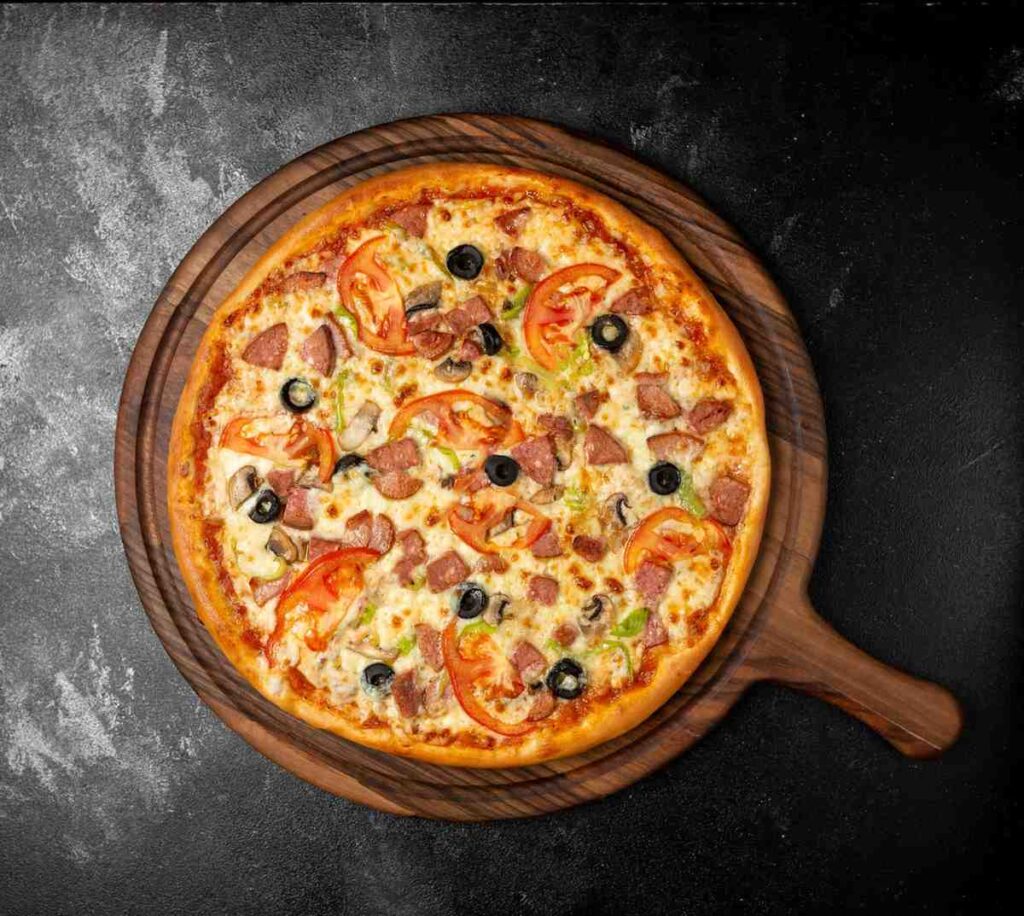
People love it on pizza, and you can have it, but don’t go wild. Pepperoni is processed and packed with sodium and saturated fat, so if you’re watching your blood pressure or cholesterol, it pays to keep it in check. Maybe try swapping in grilled chicken, turkey, or a pile of veggies like mushrooms, peppers, and onions for a healthier twist.
How much pizza is okay?
This is where portion control really matters. One slice of pizza can have anywhere from 20-30 grams of carbs, depending on the size and crust, so if you eat half the pie, your blood sugar’s going on a rollercoaster ride. Try to stick with one, maybe two slices if they’re on the smaller side. Pair it with a salad to fill you up and add some fiber, which helps keep those blood sugars steadier.
For people with severe diabetes, you’ll want to be extra careful. Lots of pizza—especially the kind with refined flour—can send your blood sugar way up. If your diabetes is tough to manage, talk with your doctor or nutritionist about how to fit pizza into your meal plan. Sometimes, a little planning goes a long way.
Gluten-free pizza’s another option, but don’t assume it’s always better. A lot of gluten-free crusts use rice flour or cornmeal, which can still raise your blood sugar. Check the ingredients and nutrition info before you order or make one. Crusts made with whole grains, quinoa, or almond flour are usually easier on your system. If you make pizza at home, you control what goes in, so it’s easier to keep things in check.
What about sugar in pizza?
Most pizza isn’t loaded with sugar, but some store-bought sauces sneak it in. If you’re trying to cut back, pick a sugar-free or low-sugar sauce, or just make your own with tomatoes and herbs. And if you’re aiming for a pizza that won’t mess with your blood sugar, go for a thin crust and top it with veggies and lean meats.
Can You Make Diabetic Pizza Dough at Home?
Absolutely. You don’t have to give up pizza just because you’re watching your carbs. You can whip up a diabetic-friendly pizza dough using whole wheat flour, or go even lower-carb by swapping in almond flour, coconut flour, or even cauliflower. These swaps cut down the carbs a lot compared to regular pizza dough, so they’re a solid option if you’re keeping an eye on your blood sugar.
Here’s a super simple low-carb pizza crust recipe:
- 1 ½ cups almond flour
- 1 egg
- 1 tablespoon olive oil
- ½ teaspoon baking powder
- A pinch of salt
Just mix everything together, shape the dough, and bake it on a parchment-lined sheet at 350°F for 10-12 minutes. Once that’s done, pile on your favorite toppings. You’ll get a tasty pizza base that’s lower in carbs and less likely to mess with your blood sugar.
Is Pizza Really That Bad for You?
Honestly, pizza gets a bad rap. Sure, it can be loaded with calories, fat, and carbs, but it doesn’t have to be a nutritional disaster. The real trick is in the choices you make. Skip the greasy, super-cheesy takeout and try making your own at home. Use a whole grain or low-carb crust, add a bunch of veggies, pick lean proteins like grilled chicken, and go easy on the cheese.
If you build it right, pizza actually covers all the bases: fiber, protein, and healthy fats. Just keep an eye on your portion size and how often you’re eating it.
Can People with an Insulin Pump Eat Pizza?
Yes, you can eat pizza if you have an insulin pump. The big thing is adjusting your insulin to match the carbs in your meal. That means taking a good look at what’s on your pizza and figuring out the total carb count.
Say you’re having a slice—just make sure you deliver enough insulin to handle those carbs. It’s smart to check your blood sugar before and after eating, too, so you’ll know exactly how your body reacts.
Is Pizza from Big Chains Diabetic-Friendly?
Some chains like Domino’s, Pizza Hut, and Ledo’s actually offer better choices for folks watching their carbs. For example, Ledo’s has a gluten-free crust and loads of veggie toppings, which work well for diabetics. Still, don’t forget to look up the nutrition info and watch your portion sizes.
Domino’s and Pizza Hut: Go for the thin crust to cut down on carbs. Load up on veggies and lean meats, too. Both chains have online nutrition calculators, so you can check the numbers before you order.
Ledo’s Pizza: They do a gluten-free crust and have some solid veggie options like mushrooms, onions, and spinach. Just keep an eye on how much you eat.
How Often Can You Eat Pizza?
Pizza’s great, but it shouldn’t be an everyday thing—especially if you’re managing diabetes. Once a week, or a couple times a month, is a good place to start. If you want to eat it more often, stick with the tips: smaller portions, healthier toppings, and low-carb crusts.
So, Can Diabetics Eat Pizza?
Definitely. You just have to be smart about it. Pick a whole grain or low-carb crust, load up on veggies and lean protein, and steer clear of fatty, processed meats. With a few tweaks, you can keep pizza on your menu without throwing your blood sugar off.
If you pay attention to what you’re putting on your pizza and how much you’re eating, you’ll be able to enjoy it without guilt. Whether you grab a slice from your favorite place or whip one up at home, it’s all about balance. A few tweaks here and there, and pizza stays on the menu. No need to swear it off—just make some smart choices.