
Ever spotted a little bump, pimple, or blister on your gums that looks just like a zit? It’s a weird sight, and yeah, it freaks a lot of people out. Some call it a gum boil, others say gum pimple, gum blister, or even a bubble on the gum line. Whatever name you use, it’s never something you want to see in the mirror.
Here’s the deal: a gum boil usually means there’s an infection trapped under your gum. Your body fights back by forming a pocket of pus to keep the bacteria at bay. That’s what creates that swollen little bump.
A lot of folks shrug it off, especially if their gum boil doesn’t hurt. But pain or not, it’s still a sign that something’s off with your tooth or gum. Ignoring it isn’t a good idea.
What Exactly Is a Gum Boil?
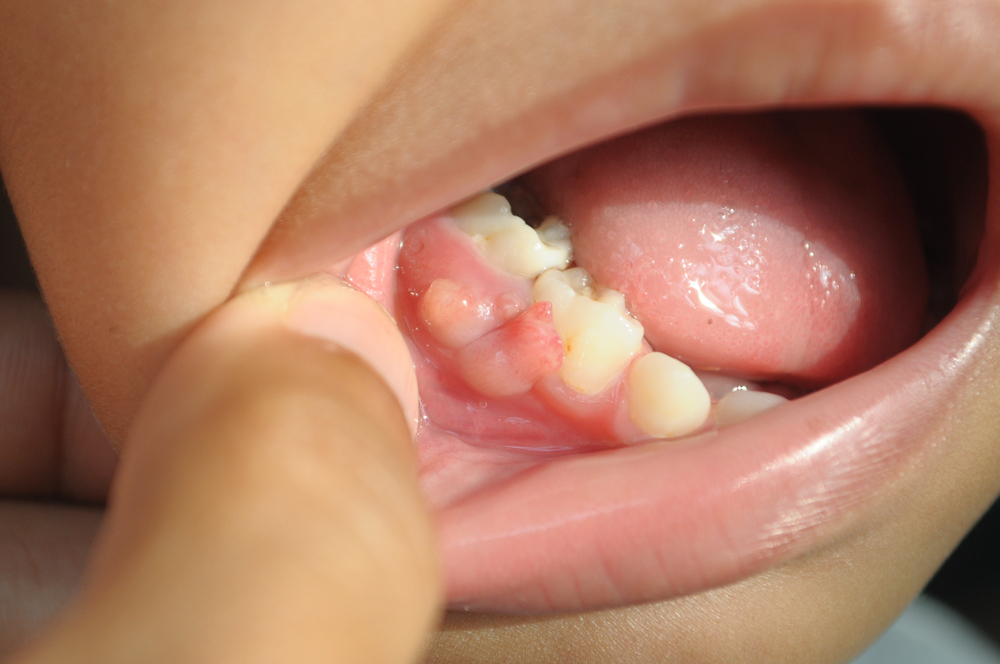
A gum boil is really just a swollen, pus-filled bump on your gums. Dentists call it a gum abscess or a gum pustule.
It might look like:
– a pimple on your gum
– a pus pocket in your mouth
– a blister or bubble near a cavity
– a fluid blister next to a tooth
Some people describe it as “a zit on my gums” or “a bubble on my tooth gum.” No matter what you call it, it’s basically the same thing.
Inside that bump is pus—dead tissue and bacteria your body’s trying to get rid of. Sometimes these show up behind your front teeth, over a tooth, deep inside the gums, or right next to a tooth. Every now and then, the bump bursts and pus leaks out. But don’t get fooled; that doesn’t mean the infection is gone for good.
What Causes a Gum Boil?
Knowing why you got a gum boil in the first place can help you avoid getting another one.
Here’s what usually causes them:
1. Tooth Infection
A deep cavity lets bacteria sneak down to your tooth’s root. Infection spreads into the gum and forms a boil. If you’ve got tooth pain, swollen gums, or notice a pus blister near a tooth, that’s a big clue.
2. Gum Disease
When gum disease (periodontitis) gets bad, you get deep pockets between your teeth and gums. Bacteria love hiding there, and that can cause pimples or swollen white-headed bumps on your gum line.
3. Food Stuck in the Gums
Sometimes a bit of popcorn hull or something else gets wedged between your teeth and gums. Bacteria get cozy in that spot and start an infection, which can lead to a small gum zit or bubble.
4. Failed Dental Work
If you see a gum pimple pop up after a root canal, it probably means some bacteria are still hanging around. That can cause gum boils to keep coming back.
5. Gum Injury
Sharp snacks, a broken tooth, or even dental appliances can poke or cut your gums, giving bacteria a way in.
6. Poor Oral Hygiene
Letting plaque build up just gives bacteria more fuel. That raises your chances of getting gum boils again and again.
Signs and Symptoms
Most people first notice a weird bump on their gums. Other signs include:
- pimples or bubbles near a tooth
- blisters on the gums
- bigger bubbles
- a bad taste in your mouth
- red gums
- pus leaking out
Sometimes gum boils hurt, but honestly, a lot of them don’t. Still, even a painless bump means there’s an infection to deal with.
Can You Really Get a Pimple on Your Gum?
Absolutely. People ask this all the time: “Can you get a pimple on your gum?” Yes, you can. Most of the time, it’s a gum abscess—an infection under the gum tissue caused by bacteria.
That’s why you might see a pimple in the gums, a zit on your gum, or something that just looks out of place.
Will a Gum Boil Go Away By Itself?
Sometimes the boil bursts and drains, and the swelling goes down for a bit. But the infection’s usually still hiding under the surface.
If you notice a gum boil that sticks around for weeks, won’t go away, or keeps coming back, don’t ignore it. See your dentist.
Letting it fester can lead to tooth loss, bone infection, or even let the bacteria spread. It’s just not worth the risk.
Gum Boil Home Remedies
Plenty of people try home remedies for gum boils, chasing some fast relief. While home remedies can ease the pain or swelling, they don’t actually cure the infection. Still, there are a few things you can try to feel a bit better until you see your dentist.
1) Salt Water Rinse
Salt water’s an old favorite for a reason—it helps cut down on bacteria. Just mix a teaspoon of salt into some warm water, swish it around your mouth for about 30 seconds, and spit it out. Do this three times a day.
2) Warm Compress
Hold a warm compress against your cheek to help with swelling. It’s simple, but it brings some relief.
3) Keep Your Mouth Clean
Brush your teeth twice a day and don’t skip the floss. Staying on top of your hygiene keeps bacteria under control.
4) Watch What You Eat
Skip the super spicy foods, crunchy chips, and sugary stuff—they just make things worse. All of these can irritate a gum blister and make you feel worse.
Getting Rid of a Gum Boil—Dentist Treatments
If you want to actually get rid of a gum boil for good, you need a dentist. Here’s what they might do:
1) Drain the Abscess
The dentist makes a small opening in the boil to let the pus out. It sounds a little scary, but it takes the pressure off and helps with pain.
2) Antibiotics
Your dentist might give you antibiotics to help control the infection, but don’t expect them to solve the problem alone. They work best with other treatments.
3) Root Canal
If the infection started inside the tooth, a root canal clears out the bacteria and saves the tooth.
4) Tooth Extraction
Sometimes the tooth can’t be saved. If that’s the case, the dentist pulls it.
5) Deep Cleaning
When gum disease is involved, dentists clean out the infected pockets around your teeth.
Gum Boils in Kids
Kids can get gum boils too—usually when a baby tooth gets infected, food gets stuck in their gums, or they don’t brush well. Don’t ignore it. A pediatric dentist knows how to treat it safely.
When to Call the Dentist
Don’t wait around if you notice any of these:
- A gum boil that sticks around for three weeks
- A blister next to a cavity on your gum
- Pus or a pimple in your mouth
- Gum boils that keep coming back
- Swelling that spreads in your gums
The sooner you get help, the fewer problems you’ll have down the line.
How to Prevent Gum Boils
A few good habits go a long way:
1) Brush Twice a Day
Use fluoride toothpaste and take your time—two minutes does the trick.
2) Floss Every Day
Flossing gets the stuff your toothbrush misses.
3) See Your Dentist Regularly
Checkups catch problems before they get serious.
4) Cut Down on Sugar
Bacteria love sugar, and that leads to cavities and infections.
How Much Does Gum Boil Treatment Cost?
Costs depend on what you need—drainage, root canal, antibiotics, or gum cleaning. Prices change based on where you live and which clinic you visit. Ask your dentist for details.
Gum Boil or Gum Cyst?
People often wonder if that bump in their mouth is a boil or a cyst. A gum cyst is just a fluid-filled sac and may not be infected. A gum boil is full of pus from bacteria. Only your dentist can tell you for sure.
Final Thoughts
A gum boil might look like a harmless little bump, but it’s really a sign of infection. You might notice a pimple or bubble on your gum, or a blister near your tooth—even if it doesn’t hurt, the problem’s still there. Home remedies can give you a break from the pain, but if you want a real fix, see your dentist. Take care of your gums now, and you’ll save yourself bigger dental headaches later.