
There’s a lot more to your smile than how it looks. Your bite has a big effect on how your teeth and jaws fit together, how you chew, and even how healthy your teeth are overall. But what does “normal bite” mean, and how is it different from an overbite? You’re not the only one who has ever wondered if your bite is normal or if your teeth are in the right place.
What is a normal bite?
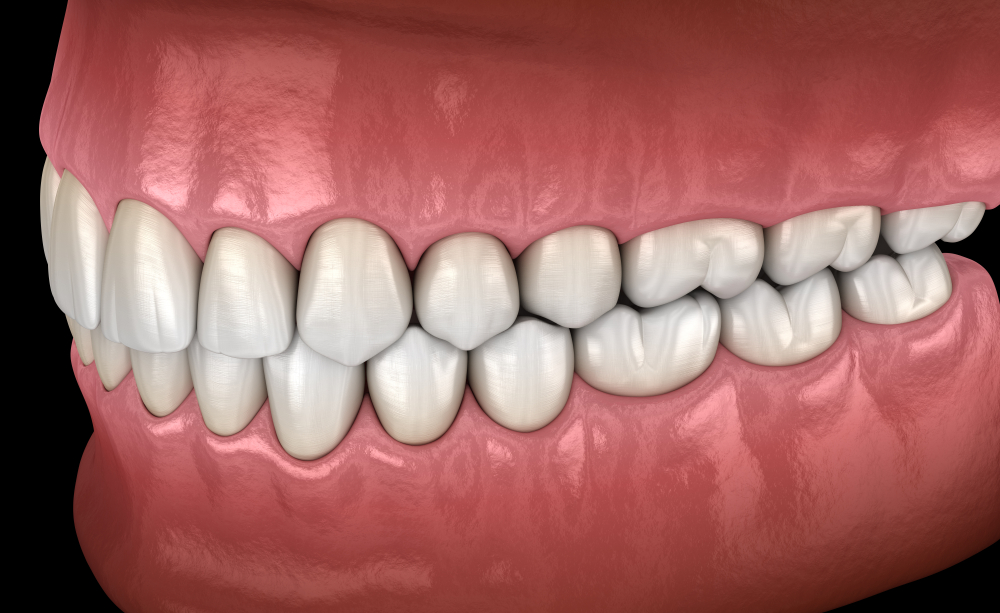
When you bite down, your upper and lower teeth should come together in a normal way, which is also called a “neutral bite.” When you bite down, your upper teeth should land just a bit in front of your lower teeth. The molars in the back? They’re supposed to line up like puzzle pieces, with the top ones sitting just outside the bottom ones. That’s what a well-aligned bite looks like, and it really makes a difference — you speak more clearly, chewing feels right, and everything’s just more comfortable.
So, if your top teeth gently cover the bottom ones and your jaws close without any pain, that’s a solid, normal bite. Everything fits. That’s exactly how your bite should look.
Here’s what makes up a normal bite:
- The upper teeth rest just a bit over the lower teeth.
- The molars fit together without any gaps.
- Chewing feels easy and painless.
- Your jaw sits where it should.
What is the difference between an overbite and a normal bite?
Let’s move on to overbites now that we know what a normal bite looks like. An overbite is when your top teeth cover too much of your bottom teeth. Usually, you see more of your upper teeth than you should. There are two main types: horizontal and vertical.
– Horizontal overbite means your upper teeth stick out too far over your lower teeth.
– Vertical overbite is when your upper teeth come down too far, almost swallowing up your lower teeth. This can crowd your mouth and mess with how you bite.
Ignoring an overbite doesn’t make it go away. It can mess up how your teeth line up, leave you with jaw pain, and even give you headaches.
So, what’s the difference between a normal bite and an overbite?
– In a normal bite, your upper teeth just barely overlap your lower teeth, and your back teeth (molars) fit together the way they’re supposed to.
– With an overbite, your upper teeth cover your lower teeth too much—either sticking out or coming down too far. It throws your bite off and just feels wrong.
How do you know if you have an overbite?
Sometimes it’s obvious, sometimes not so much. Here’s what to watch for:
1. When you bite down, do your top teeth cover most of your bottom teeth? That’s a sign.
2. Does your jaw hurt or feel tight, especially when you chew? Overbites can do that.
3. Trouble saying certain words or sounds? Your bite might be to blame.
4. Are your front teeth looking worn down or chipped? If your teeth aren’t lining up right, they can wear each other out.
If any of this sounds familiar, don’t just brush it off. Go see your dentist or an orthodontist for a real answer.
Is it bad to have an overbite?
In most cases, a small overbite isn’t a big deal and doesn’t cause any big problems. But if you have a bigger overbite that makes it hard for you to chew or talk comfortably, you may need to get help. If you don’t treat an overbite, it could lead to:
Tooth damage from too much wear or misalignment.
Jaw pain from teeth that aren’t lined up right.
Speech problems if the teeth aren’t lined up right when you talk.
What Does an Overbite Look Like?
You can tell if you have an overbite by how your teeth overlap when you bite down:
- An overbite is when your upper teeth cover most or all of your lower teeth.
- Profile from the side: When the upper teeth stick out more than the lower teeth, which is a clear sign of an overbite, it can make the face look more pronounced or “duck-like.”
Overbite, underbite, and normal
An underbite is the opposite of an overbite, which is when the upper teeth cover the lower teeth. An “underbite” is when the lower teeth stick out more than the upper teeth. When the jaw doesn’t grow the right way, things can get out of line. Just to compare:
Normal bite: The upper teeth gently cover the lower ones.
Overbite: The upper teeth cover the lower teeth too much, either horizontally or vertically.
Underbite: The lower teeth stick out more than the upper teeth.
How to Fix an Overbite
If the overbite is worse, treatment may be necessary. There are a few choices:
1. Braces: Braces are the most common way to fix overbites. They can help your teeth line up properly.
2. Invisalign: If you want something less obvious, Invisalign has clear aligners that gently move your teeth into place.
3. Surgery: If the overbite is caused by a misaligned jaw, surgery may be necessary in very bad cases.
Most orthodontists can help you figure out how bad your overbite is and what the best treatment plan is.
How Much of an Overbite Is Normal?
It’s normal to have a “slight overbite,” which means that the upper teeth are about 1 to 2 millimeters higher than the lower teeth. But most people think that an overbite needs treatment if it is more than 4 millimeters long.
Should your front teeth touch when you bite?
When you bite down, your front teeth should lightly touch each other, but they shouldn’t be too close together. You might have an overbite if your top front teeth are too far over your bottom teeth.
How Should Your Teeth Rest?
Ideally, your teeth line up just right so when you close your mouth and relax your jaw, everything feels natural—no soreness, no weird pinching. Your teeth should meet evenly, letting you chew your food and talk without any trouble.
What does a good bite look like?
Basically, you want your upper teeth to sit just a little in front of your lower teeth. Your molars should lock in together—no odd spaces or awkward shifting. And most importantly, you shouldn’t feel pain when you eat or speak.
Conclusion
Understanding how your bite works really matters if you want to keep your mouth healthy. When your teeth are in the right spot, everything feels comfortable and just works. But if you’ve got a strong overbite, it can get annoying—and honestly, it can lead to bigger dental issues down the line. If you notice your bite feels off or you’re uncomfortable, don’t just ignore it. Make an appointment with your dentist and get it checked out. A slight overbite is normal and usually nothing to stress over. But when it starts messing with your comfort or health, it’s worth fixing.