
Noticed a mole on scalp lately? Don’t stress—you’re definitely not the only one. Lots of people get moles on their heads or along their hairlines as they get older. Most of the time, these moles are harmless, but it’s still good to know what’s normal and when you should check in with a dermatologist. So, let’s break down what moles on the scalp look like, the different types you might spot, and when it’s time to get them checked out.
What is a scalp mole?
Basically, a mole (some folks call them beauty marks or birthmarks) is just a small patch of skin where pigment cells—melanocytes—have bunched up. They can pop up anywhere, including right on your scalp. Sometimes they’re easy to see, like along your hairline or behind your ear. If your hair covers them up, you probably won’t even spot scalp moles unless you go looking or someone else notices first.
Scalp moles show up in all sorts of shapes, sizes, and colors. Most just sit there without causing problems, but it’s still wise to watch for any changes. Their appearance really depends on your skin, where they’re hiding, and how they’ve shifted as time goes by.
Common types of scalp moles
1) Non-cancerous moles
These are the most common. They might be tiny and flat or a bit larger and raised. Usually, they’re smooth and an even color—brown, pink, or close to your normal skin tone. Sometimes you’ll even see a hair growing out of them, which is totally normal.
2) Big moles
Most moles stay small, but every now and then, someone gets a bigger one on their head. Just because a mole’s large doesn’t mean it’s dangerous. If you spot a large mole, keep an eye on it and watch for any changes.
3) Raised moles
Raised moles stand out more and usually feel firmer than the skin around them. If you spot a raised mole—especially a new one or one that’s slowly changing—watch for shifts in color, size, or shape.
4) Dark raised moles
If you find a dark, raised mole, it can look a little scary. Most of the time, these are still harmless, but they can get irritated by things like hats or pillows. If you see any changes or if the mole looks different over time, that’s your cue to get it checked.
5) Pink moles
Less common, but you might see a pink mole pop up. These usually aren’t cancerous and can be flat or raised. Sometimes people mistake them for other skin issues, so if you’re not sure, ask your doctor.
6) Lots of moles
Some people just get a bunch of moles on their scalp, especially if they have them elsewhere on their body. It usually comes down to genetics, and most of the time, it’s nothing to worry about.
Why do scalp moles show up?
Genetics: If your parents have a lot of moles, chances are you will too. Some people are just wired that way.
Sun exposure: Too much sun messes with your skin cells because of all that UV. Suddenly, you’ve got new moles or the old ones start acting weird.
Hormones: Big hormone changes—like puberty or pregnancy—can spark new moles, too.
Getting older: As you age, moles can appear—especially in spots that get a lot of sun over the years.
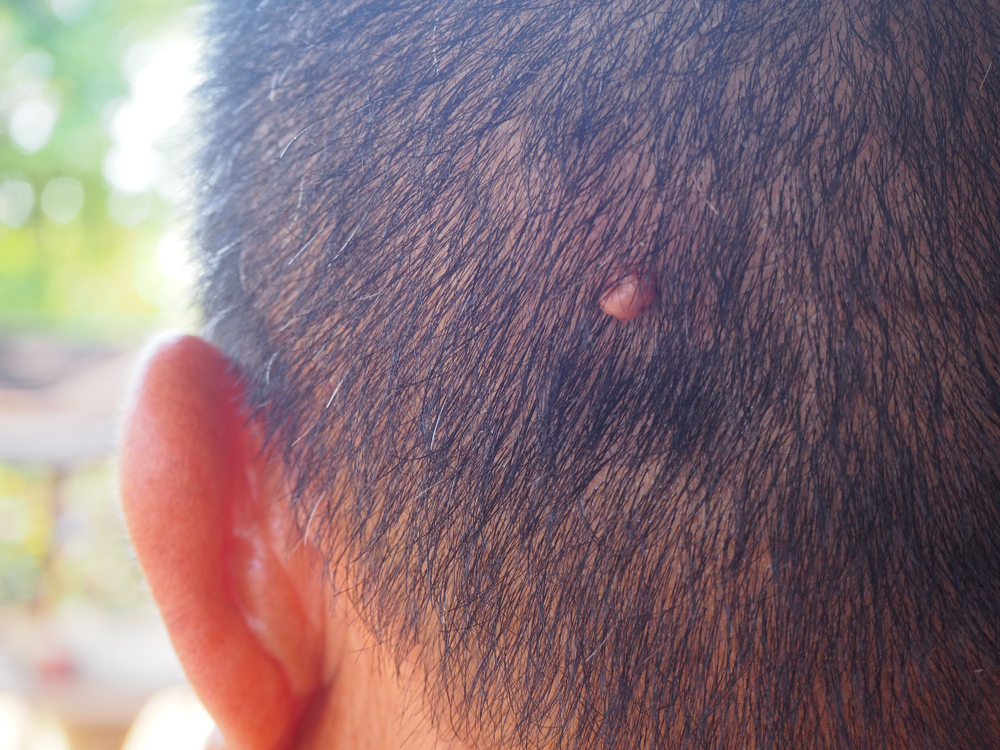
What Do Moles Look Like on Your Head?
Moles on your scalp aren’t all that different from the ones you find anywhere else. Usually, they’re round or oval, have smooth edges, and come in shades from brown to black. Sometimes, they hide in your hairline, especially if your hair’s thick or long—you might not notice them unless you go looking. Scalp moles usually stay pretty small, but every so often you’ll spot one that’s bigger than the rest.
Here’s what to look out for:
Size: Most are no bigger than a pencil eraser. Still, sometimes you’ll find one that’s a few centimeters wide.
Shape: Some are round, some oval, and others a bit off. If you notice a mole changing shape or getting uneven, don’t ignore it.
Color: Brown and black show up the most, though pink or skin-colored moles happen too. If the color changes all of a sudden, it’s time to get it checked out.
Raised or Flat: You’ll see some moles that lie flat, while others stick up from your scalp. Raised moles can even grow hair.
When Should You Worry About a Mole on Scalp?
Most moles won’t bother you, but some changes are worth a second look. Melanoma, a serious kind of skin cancer, sometimes shows up looking like a mole that just seems off. Here’s what to look out for:
– Asymmetry. If one side of your mole looks totally different from the other, that’s a warning sign.
– Borders. Healthy moles usually have smooth, clear edges. If the edges look jagged or uneven, pay attention.
– Color changes. Is your mole getting darker, showing different colors, or just seems odd? That’s worth checking out.
– Diameter: If your mole is bigger than a pencil eraser (about 6mm), especially if it’s getting larger, have a doctor take a look.
– Elevation: Moles that suddenly become raised or lumpy are worth some concern.
– Bleeding or oozing: A mole that starts bleeding or oozing is never a good sign. Get it looked at.
– Pain: Moles shouldn’t hurt, itch, or feel tender. If they do, get them looked at—fast.
Removing Moles on the Scalp
Thinking about getting a mole removed from your scalp? Talk to a dermatologist first. They’ll take a look and let you know if it should come off.
When it comes to removing moles, doctors have a couple of options:
Shaving: They’ll simply shave the mole off just below the surface of your skin.
Excision: This one’s more involved—they cut out the whole mole and stitch up the spot afterward.
Laser Removal: Sometimes, lasers work best—especially for certain moles.
How to Prevent Moles on Your Scalp
You can’t control every mole, but you can cut down your chances by keeping your scalp safe from the sun. Here’s what actually helps:
Wear Sunscreen: Go for a high-SPF sunscreen on your scalp, especially if your hair’s short or you’re out in the sun a lot.
Cover Up: Hats and scarves block those UV rays.
Skip Tanning Beds: They boost your skin cancer risk and can lead to more moles.
Final Thoughts
Scalp moles are pretty common and usually harmless. Still, keep an eye on them. If you notice changes in their size, shape, or color—or if one starts to hurt or itch—don’t wait to get it checked out.
Protect your scalp from too much sun, stay alert for changes, and when you’re unsure, call your doctor. It’s always better to play it safe.