
If you’ve ever had a root canal, you know the drill—pain, nerves, and maybe a bit of awkward drooling while the anesthesia wears off. But here’s something a lot of people don’t realize: sometimes, even after all that, the tooth can still get infected. Or worse, it stays infected, and you don’t even know it.
Root canal infections are real. They’re not always dramatic or obvious, but they can quietly mess with your jaw, sinuses, bones, and even other parts of your body. No wonder so many people find themselves Googling “root canal still infected,” “infection near root canal,” or “how to tell if infection from root canal is gone.” The symptoms aren’t always easy to spot.
What Is a Root Canal Infection?
Way inside your tooth, there’s this little area called the root canal. It’s basically home to the nerves and blood vessels that keep your tooth alive. When that spot gets infected, dentists have to jump in, clear out the damaged nerve, clean everything up, and seal it off. Sounds simple, right? But infections can be stubborn. Sometimes they just won’t quit, or they sneak back in—even years later. People use all kinds of names for this: tooth infection after a root canal, root canal disease, chronic root canal infection. It’s all the same trouble.
Can you get an infection after a root canal? Absolutely.
Root canals are supposed to get rid of infections, not cause them. But bacteria are stubborn. They can hide out in tiny side canals, places even the best dental tools can’t always reach. Sometimes the treatment doesn’t get finished, or the tooth cracks later. Maybe the crown gets loose, or contaminated saliva sneaks in. And if your immune system’s a bit weak, the risk goes up. So yes, even years down the line, a root canal can get infected.
Here’s a quick breakdown of why these infections happen:
- Old or broken fillings or crowns let bacteria slip underneath.
- Cracks in the tooth create a tunnel for germs.
- If the root canal wasn’t finished, bacteria stick around.
- Extra, hidden root canals don’t get cleaned.
- New tooth decay brings in new bacteria.
- Leaving an infected tooth untreated just lets things spread.
There are some less common triggers, too—like bleeding in the root canal space (which gives bacteria a breeding ground), trauma that inflames the tooth root, or sinus pressure that causes swelling in the roots.
Symptoms? It’s not just pain.
Of course, you might feel throbbing pain or get that bad taste in your mouth. Maybe your tooth feels sensitive, your cheek feels hot, or your gums swell up. Sometimes the tooth changes color or you get a gum abscess a week later. Biting down hurts. And then there are the weird symptoms people don’t talk about: bloody snot (if the infection hits your sinuses), strange ulcers, jaw pain, even hearing loss or double vision if nerves get involved. In rare cases, long-term inflammation can cause issues all over the body—rashes, urinary problems, nausea, or headaches if the crown falls off.
If you notice pus, liquid oozing from your gums, a bad smell, or a salty taste, that’s a clear sign you’ve got a serious infection.
And don’t ignore the whole-body stuff. Some people feel wiped out, sweat at night, get jaw stiffness or swollen lymph nodes, even develop a fever. A tooth infection can absolutely make your whole body feel sick.
What Really Happens Inside an Infected Tooth During a Root Canal
Picture your tooth like a house with secret rooms tucked away in the back. The dentist does their best to clean out the main hallways, but there are tiny, hidden closets—those accessory canals—where bacteria sneak in, set up camp, and cause chaos. It’s like a never-ending party in there that you never wanted.
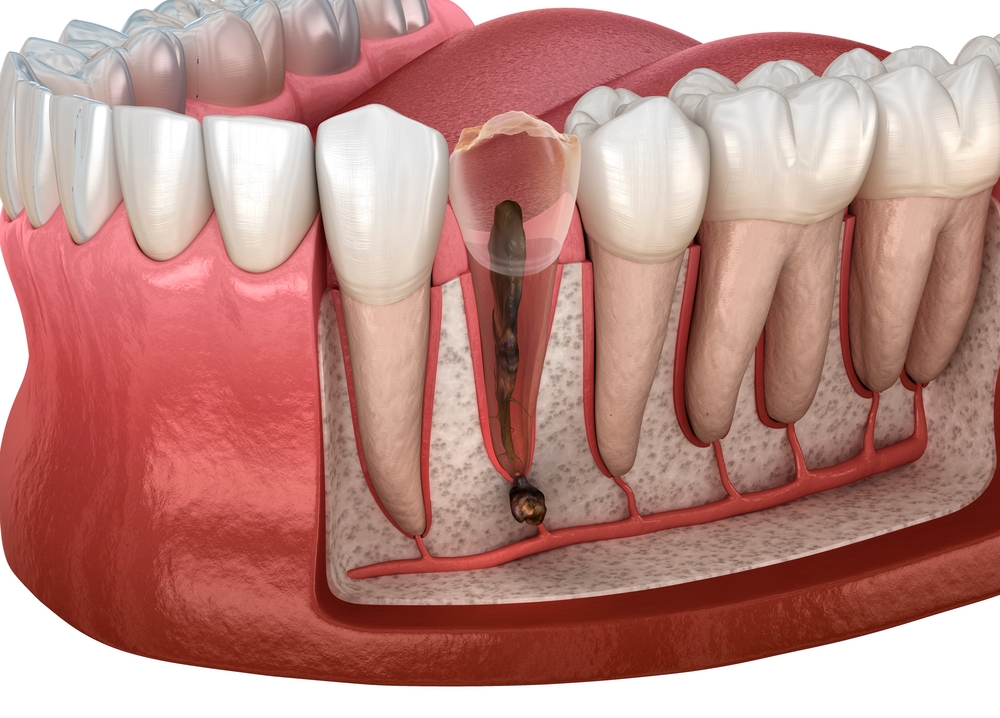
Root Canal Complications
Most dental sites gloss over the risks, listing just a couple of possible issues. In reality? There are way more things that can go sideways:
- The infection comes back after the root canal
- Infection lingers under the tooth root
- Jaw gets infected after the procedure
- Gums flare up with infection
- Abscess forms even after a root canal
That “root canal cancer” rumor (more on this below)
- Crown gets infected after a root canal
- Chronic infection that just won’t quit
- Loose crowns letting bacteria sneak in
- Blocked canals inside the root
- Infection spreads from tooth into the jawbone
- Bone infection under a tooth with a crown
- Hearing loss from a severe infection
- Swelling that reaches the neck or cheek
Root Canals and Cancer: What’s the Truth?
The real answer? There’s zero scientific proof that a root canal causes cancer or that “root canal cancer” is a real thing.
Sure, some folks online claim there’s a link, but those studies are outdated, tiny, or just plain unreliable.
Here’s what actually matters: If you leave an infected tooth untreated, that chronic infection can wear down your immune system over time. The root canal itself isn’t the villain—it’s ignoring an infection that’s already there.
How Do You Treat a Root Canal Infection?
So, what really works?
Re-do the root canal: The dentist goes back in, cleans it out again, and reseals it.
Clean out the infection and add medication.
Pull out the infected root canal if it keeps coming back.
Apicoectomy: A specialist cleans up the infected bone near the tooth root.
Antibiotics can help, but they won’t clear the infection by themselves.
Tooth extraction is the last resort.
Can a Root Canal Infection Be Cured?
Absolutely—if the dentist cleans everything out properly, the infection is gone.
How Do You Know If the Infection Is Clearing Up?
Watch for these signs:
- Pressure pain fades away
- That nasty taste disappears
- No more pus oozing out
- Cheek swelling goes down
- You can chew without wincing
- Bleeding in the area stops
If you’re still having symptoms after a week or so, call your dentist.
If you’re getting up there in years, you’ll probably notice a few things. Cuts and injuries just take longer to heal. Chronic infections seem to hang around more. Your immune system? It’s not quite as tough as it used to be. You might even need a softer, temporary crown after dental work, just to give your mouth a break. But don’t let age talk you out of getting the treatment you need. Seriously, it’s worth it.
Now, about those home remedies everyone swears by. Saltwater rinses can help with swelling, sure, but that’s about as far as they go. Ice works if you want to numb pain for a while. Clove oil? It’s a quick fix, not a cure. Antibiotics knock down bacteria, but they don’t actually get rid of the infection. As for garlic, turmeric, or those trendy essential oils—there’s just no solid science backing them up.
When Should You Call a Dentist?
Don’t wait around if you notice:
- Swelling in your face
- Fever
- Pus
- Trouble swallowing
- Pain that wakes you up at night
- Headache and nausea after a crown falls off
- Weird taste in your mouth
- Swelling moving toward your neck or eyes
Final Thoughts: Don’t Wait on a Root Canal Infection
A tooth infection is like a kitchen fire. Easy to put out early, but if you ignore it, things get ugly fast. An untreated root canal infection can mess with your jaw, your sinuses, your hearing, your skin, and—on rare occasions—your whole body.
If you think something’s wrong with your root canal, don’t freak out, but don’t put it off either. There’s a solution. Dentists can clean it, redo it, pull it, or replace it.
Don’t gamble with your health. Take care of it now—not years from now.