You know that feeling when someone gives your hands a soft, slow massage? There’s a reason it’s so soothing. That warmth and comfort hits for a reason—it’s not just your imagination. Hands aren’t just there to get things done; they’re wired into pretty much everything else in your body. That’s why hand reflexology is so fascinating.
I’ll show you the basics, walk you through the key spots you’ll want to know, and explain how this easy technique can help calm anxiety, soothe migraines, and take the edge off headaches.
So, what is hand reflexology, exactly?
In simple terms, it’s about pressing or massaging certain spots on your hands to tap into the rest of your body. Each spot ties back to a different part of your body—think of your hands as a mini-map for the rest of you. Work these zones, and you help your body’s energy move more freely. It’s a gentle way to nudge your system toward healing itself.
How do you actually do reflexology on your own?
You don’t need fancy tools or a certificate. Here’s how to get started:
- Settle into a comfy spot and relax your shoulders.
- Open your hand and use your thumb to gently press on your palm.
- Move your thumb in slow, small circles.
- Pause on any tight or sore spots.
- Take slow, deep breaths as you work.
And that’s really it. This little routine fits right into your day.
Reflexology points—what do they actually do?
Here’s a quick cheat sheet:
Thumb – Linked to your head and brain. Massaging here helps with headaches and mental stress.
Fingertips – Connected to your sinuses. Good for easing congestion and breathing easier.
Center of your palm – Tied to your digestive system.
Base of your thumb – Linked to your lungs and chest.
Wrist area – Connects to your hips and lower back.
If you like a mental map, just remember:
| Hand Area | Related Body Area |
|---|---|
| Fingers | Head and neck |
| Upper palm | Chest and lungs |
| Middle palm | Stomach and liver |
| Lower palm | Intestines |
| Wrist | Lower body |
So, is hand reflexology useful for anxiety?
Absolutely. If you’re feeling anxious, try pressing the center of your palm for a minute or two. Breathe deep and slow while you do it. Lots of people say this helps lower stress, brightens their mood, and just brings a sense of calm. It’s not magic, but it feels pretty great.
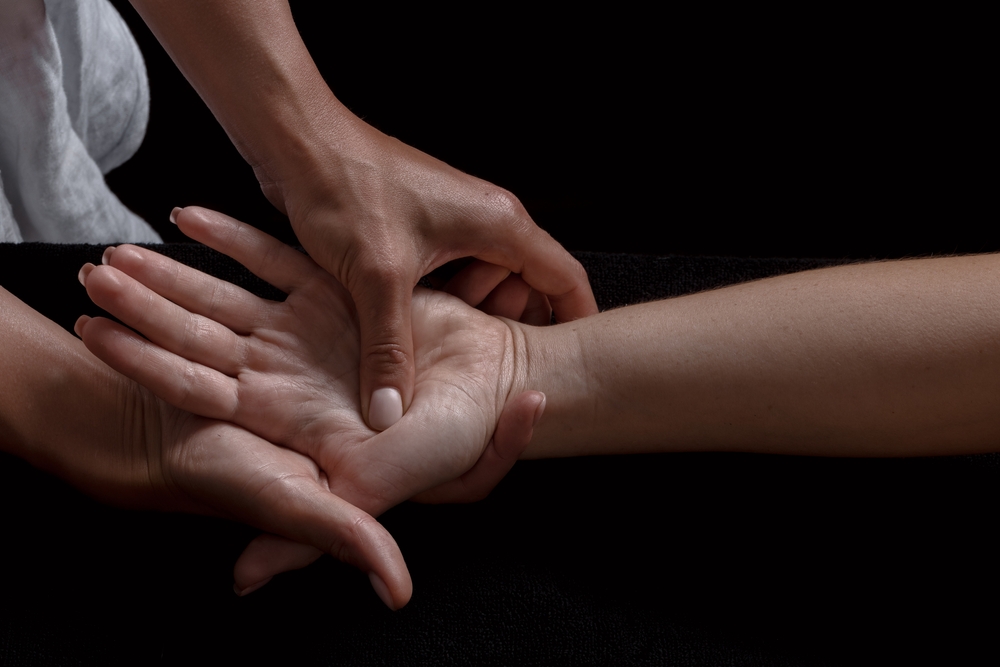
For headaches and migraines, hand reflexology is a simple trick you can try.
If you get headaches a lot, press the tip of your thumb for a couple of minutes, or massage that little webbed area between your thumb and index finger. These spots have a reputation for quick relief.
Hand massage therapy offers more than just a nice feeling.
A good hand massage boosts your blood flow, melts away tension, helps your sleep, and just makes you feel good overall—even just a few minutes does wonders.
Want to make things even easier?
Try a hand reflexology massager. These gadgets take over the work, applying pressure for you, saving time, and keeping things consistent. But don’t forget—your own hands are always ready to help, and they cost nothing.
Around the world, people practice something similar. In Spanish, it’s called “reflexologia manos.” Every culture maps the hands a little differently, but the idea holds—your hands reflect your whole body.
There’s also something extra special about touch. Therapists sometimes call it “heart to hand massage.” Basically, it means putting care and intention into every movement, not just going through the motions. That emotional touch makes reflexology even more soothing.
The main benefits people talk about?
Less stress, fewer headaches, better sleep, a brighter mood, and just relaxing those tired hand muscles. Everyone’s results are different, but most folks simply enjoy the feeling.
Is it safe? Most of the time, yes—it’s gentle and natural. A quick heads-up: If you’re pregnant, injured, or have any serious health issues, talk to your doctor before you get into this. Reflexology is great support, but it doesn’t replace medical care.
Want to dive in? Here’s a super simple daily routine:
Morning (2 minutes): Press your thumb and each fingertip.
Afternoon (3 minutes): Work the center of your palm with a gentle massage.
Evening (5 min): Give yourself a relaxing, full hand massage.
That’s just ten minutes for a calmer, more relaxed you.
Final thoughts
In the end, hand reflexology is easy, relaxing, and totally accessible. All you need is your hands and a few quiet moments. Use it for stress, headaches, or just as a relaxing ritual. Give it a shot—your hands (and maybe the rest of you) will thank you.
And let’s be honest—sometimes, a quiet hand massage is just what you need.