
Thinking about getting braces, but dreading the look of metal every time you smile for a photo? Lingual braces might be just what you need. Instead of sitting on the front of your teeth like regular braces, these go on the back—so, basically, nobody knows they’re there except you and your orthodontist. Sounds good, right? But how do they actually work, what’s great about them, what’s not so great, and how much are you going to pay?
What are Lingual Braces?
So, lingual braces are like the undercover agents of orthodontics. They use the same kind of brackets, wires, and elastic bands as the old-school metal ones, but the whole setup is attached to the inside surface of your teeth. You get the same results, just without the “brace face” look.
If blending in is important to you—maybe you’re always in front of people at work, or you just don’t want your braces to show—lingual braces are a solid choice. Adults and professionals especially like them for this reason.
What Makes Lingual Braces Stand Out
- You can’t see them. Nobody notices unless you say something.
- They work for teens and adults alike.
- They’re made just for you—custom-fitted for your mouth.
How Do Lingual Braces Actually Work?
Honestly, they’re not that different from regular braces. Here’s how it goes:
First, the orthodontist sticks tiny metal brackets to the back of your teeth—nothing fancy; they just hold everything together. Then a thin wire threads through the brackets, slowly guiding your teeth into place. Sometimes, they’ll add small elastic bands to move certain teeth a bit more.
Once you’ve got them on, you’ll pop back to the orthodontist every now and then for tweaks and adjustments. Moving teeth isn’t quick—it can take a few months, or even a couple of years, depending on what your teeth need.
Types of Lingual Braces
You’ve got a couple choices:
Incognito Braces: Incognito Braces are made just for you, so they’re comfortable and get the job done.
STB (Society of Tongue Barriers) Lingual Braces: STB lingual braces are slimmer, so they don’t feel as bulky in your mouth.
The Upside and Downside of Lingual Braces
The Good Stuff
Nobody can see them, which is really the main reason people choose them. They handle crowded teeth, gaps, and bite problems just as well as regular braces. Plus, because they’re hidden on the inside, you won’t notice changes to your lips or the way you talk. Adults especially like them—no trays to pop in and out, and no one knows you’re wearing braces.
The Not-So-Great Stuff
They’re pricier since everything’s custom and the orthodontist needs special skills to put them in. Your tongue’s probably going to get sore at first—it’s a strange feeling and takes some getting used to. Cleaning is tougher, too. Food can get stuck behind your teeth, so you have to be extra careful with brushing and flossing. And yeah, some people notice a lisp early on, but most get used to it after a few weeks.
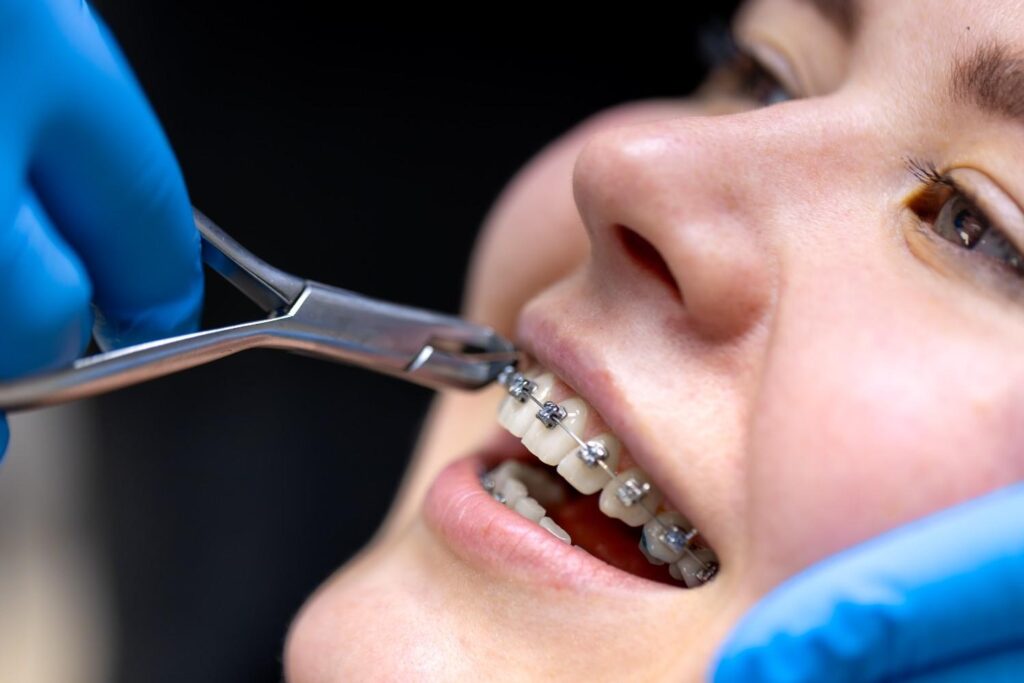
How Much Do Lingual Braces Cost?
Lingual braces almost always cost more than regular braces. Prices jump around, depending on where you live, how tricky your teeth are, and the orthodontist’s rates. Most people end up paying between $8,000 and $10,000 for lingual braces. Some cases run higher—think $12,000 or more if your teeth need extra work.
Now, if you’re comparing, traditional metal braces usually fall somewhere between $3,000 and $7,000. So yeah, lingual braces are a big investment. Still, plenty of people decide the invisible look is worth the extra cash.
Extra Costs You Might See
– Initial Consultation Fees: Some orthodontists charge just to take a look. That’s usually $100 to $300.
– Adjustment Fees: Every time you go in for a tweak, you might pay another $100 to $200.
-Insurance Coverage: Take a good look at your dental insurance—some plans kick in for braces, but it really depends on what you’ve got.
Are Lingual Braces Right for You?
Lingual braces are a solid choice if you want your teeth straightened without anyone noticing. Still, they’re not for everyone. Here’s what to think about:
1. Age and Case Severity: Lingual braces handle mild to moderate problems pretty well. If your teeth need lots of shifting, your orthodontist might suggest something else—maybe regular braces or clear aligners.
2. Budget: Let’s be real, lingual braces can get expensive. Take some time to compare them with metal braces or Invisalign to figure out what makes the most sense for your wallet.
3. Lifestyle: For adults or professionals who want subtlety, lingual braces are tough to beat. They do the job without anyone noticing.
What Else Can You Try?
If you’re on the fence about lingual braces, you’ve got options:
1) Traditional Metal Braces
These are the tried-and-true choice—and usually the cheapest. You’ll see the brackets and wires on your teeth, but they’re super reliable for almost any orthodontic issue.
2) Clear Aligners (Invisalign)
Clear aligners are nearly invisible and you can pop them out when you eat or brush. They work well for many people, but sometimes can’t handle really complicated cases.
3) Ceramic Braces
Ceramic braces are a bit more low-key than metal ones. They use clear or tooth-colored brackets, so they don’t stand out as much—though they’re not invisible like lingual braces or clear aligners.
Final Thoughts
If you want to straighten your teeth without putting it on display, lingual braces do the trick. They’re pricey and take some getting used to, but they get the job done quietly. If you don’t mind paying extra for something that’s hidden, they might be just what you need.
Just make sure you talk to an orthodontist who knows their stuff when it comes to lingual braces. Whether you’re an adult aiming for a subtle fix or a teen dodging the “metal mouth” nickname, lingual braces give you a hidden path to the smile you want.
Still have questions, or want to book a visit? Go ahead and call an orthodontist who specializes in lingual braces—they’ll help you figure out your best next step.