
Not every wound is the same, and anyone who’s dealt with injuries knows that some are a lot trickier than others. Some cuts or scrapes close up on their own, no problem. But others? They drag on, get complicated, and sometimes need more than just a bandage. One of the more stubborn types is called a tunneling wound. Maybe you’ve come across that term before, or maybe it’s totally new — either way, if you’re involved in wound care, it helps to know what these are, how they start, and what it takes to heal them. So let’s go through what tunneling wounds actually are, why they happen, how to spot one, and how they’re different from other deep wounds like undermining wounds.
What’s a tunneling wound ?
Basically, it’s when a wound creates a tunnel beneath the surface — like a hidden channel running under your skin or tissue. Sometimes it’s narrow, sometimes wide, and it can reach down into muscle, tendons, or even as deep as bone or organs in severe cases. It’s kind of like the wound is “eating” its way underneath — not a pretty picture, but that’s what’s happening. Tunneling wounds often show up when a wound isn’t healing right or becomes chronic. You’ll see these on legs, arms, backs, and anywhere pressure builds up for long periods, like the heels or tailbone.
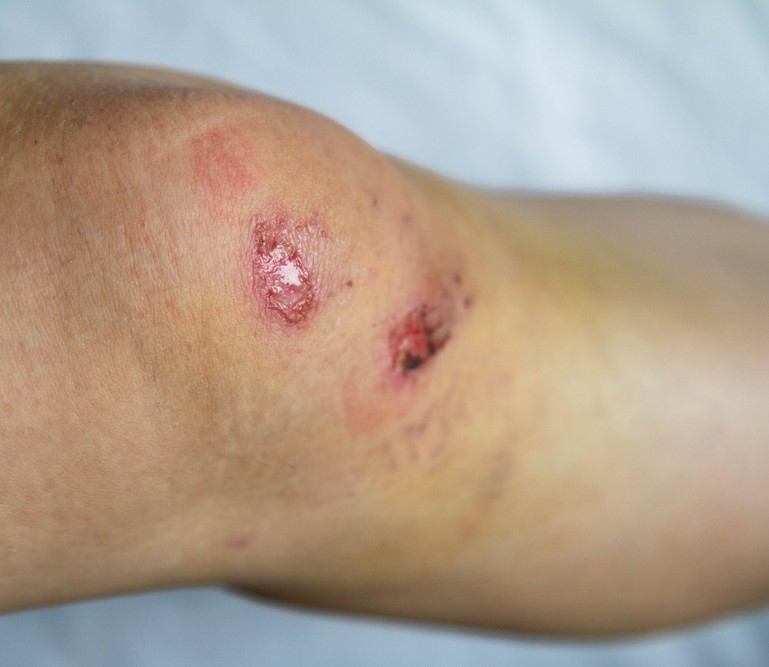
Why do wounds tunnel in the first place?
There are a bunch of reasons, but here are the big ones:
Infections: Bacteria sneak in and start destroying tissue under the skin, creating tunnels.
Pressure ulcers (a.k.a. bedsores): If someone sits or lies in the same position too long, parts of their body lose blood flow, and the tissue dies off — sometimes tunneling as it breaks down.
Trauma: A deep injury or even a surgical wound can end up tunneling if things don’t heal as planned.
Chronic conditions: Stuff like hidradenitis suppurativa or pilonidal cysts can cause deep, stubborn tunnels.
Abscesses: Sometimes a pocket of pus finds a path under the skin, leaving a tunnel behind.
So how do you even know if you have a tunneling wound?
It’s not always obvious. Usually, you might just see a small opening on the surface — but there’s more going on underneath. Here’s what to watch for:
- You or your doctor can feel or spot a tunnel or tract below the skin.
- The wound leaks pus or other fluid. That’s often a sign of infection or an abscess hiding out.
- It hurts — tunneling wounds put pressure on the tissues around them, so pain or tenderness is common.
- It just won’t heal. If a wound keeps opening up again, tunneling could be the culprit.
Now, a quick word about tunneling vs. undermining
people mix these up a lot. They both go deeper than just the skin’s surface, but they’re not the same thing. Tunneling is like a narrow path that digs deep into the body. Undermining, on the other hand, means the tissue right under the wound’s edge is gone, so the skin at the edge kind of overhangs like a shelf. So, tunneling runs deep; undermining spreads out sideways.
Alright, let’s talk healing. How long does a tunneling wound take to close up?
Honestly, it depends. The size and depth matter, and if there’s infection, that slows things down. Generally, you’re looking at weeks or even months for a tunneling wound to heal — it’s not a quick fix. Healing happens in stages: first, your body gets inflamed and starts fighting infection. Next, new tissue starts growing and the wound gradually fills in — that part can take a while, especially if the tunnel’s deep. In the last stage, the new tissue gets stronger and remodels itself, which takes even longer — sometimes months. Still, it’s something you can treat. With good care, even these wounds get better.
Stage 4 tunneling wounds and pressure ulcers that tunnel are tough. They take their time healing and need a lot of attention. You’ll sometimes need to pack the wound, use antibiotics, or even go in for surgery.
Can a Tunneling Wound Heal on Its Own?
Sometimes, a small tunneling wound closes up by itself, especially if it’s just under the surface and there’s no infection. But honestly, most tunneling wounds run deeper and need a doctor’s help to heal the right way. If you ignore them, you can end up with serious problems:
Infection: Bacteria can work their way deep into your tissues or even your bloodstream.
Sepsis: A bad wound infection can turn into sepsis, which is life-threatening.
Delayed Healing: If you don’t treat it, the wound can hang around for ages and become chronic.
Treatment Options for Tunneling Wounds
Treating a tunneling wound isn’t just a one-and-done thing. It takes a few steps to keep infection away and help new tissue grow.
1. Wound Cleaning and Dressing
Keeping the wound clean matters most. Start by rinsing the wound with saline or a gentle antiseptic to clear out any dirt and bacteria. Then cover it up. For tunneling wounds, special dressings—like hydrocolloid or foam—are great. They cover the gap and keep things moist, which speeds up healing.
2. Wound Packing
For deeper wounds, you usually have to pack them. Gauze or hydrofiber dressings soak up extra fluid and fill the tunnel, which helps new tissue grow from the inside out.
3. Antibiotics
If you spot an infection, your doctor will probably start antibiotics. Sometimes it’s a cream, sometimes pills—depends on how bad the infection is.
4. Negative Pressure Wound Therapy (NPWT)
For bigger or stage 4 wounds, doctors might use a vacuum pump. It gently sucks out fluid, cuts down swelling, and encourages new tissue to form. NPWT can really speed things up for tough wounds.
5. Surgery
Sometimes, the only way to get rid of dead tissue or drain an abscess is surgery. Ignore these kinds of wounds, and you risk real trouble. Pilonidal cysts and some other wounds with tunneling often need surgical help.
Caring for Tunneling Wounds at Home
If you’re dealing with a smaller tunneling wound at home, here’s what you need to do:
Keep it clean and dry: Rinse with saline or a mild antiseptic.
Use the right dressing: Pick one that fills the space and keeps the wound moist.
Watch for infection: Redness, heat, swelling, or pus? Call your doctor.
Stick to your doctor’s plan: Change the dressing as often as they say, and follow all instructions.
Conclusion
Tunneling wounds are no joke—they need real attention. Maybe it’s an infection, a pressure sore, or some kind of injury, but figuring out what’s going on and treating it the right way matters a lot. Pay attention to your doctor and watch for any changes in how the wound looks or feels. The good news is, with proper care, most tunneling wounds heal up. But you’ve got to stay on top of it, because waiting around can make things worse.
Doesn’t matter if the tunnel is tiny or you’re dealing with a deep stage 4 wound—getting help from a pro and sticking to the care plan gives you the best chance to heal all the way.