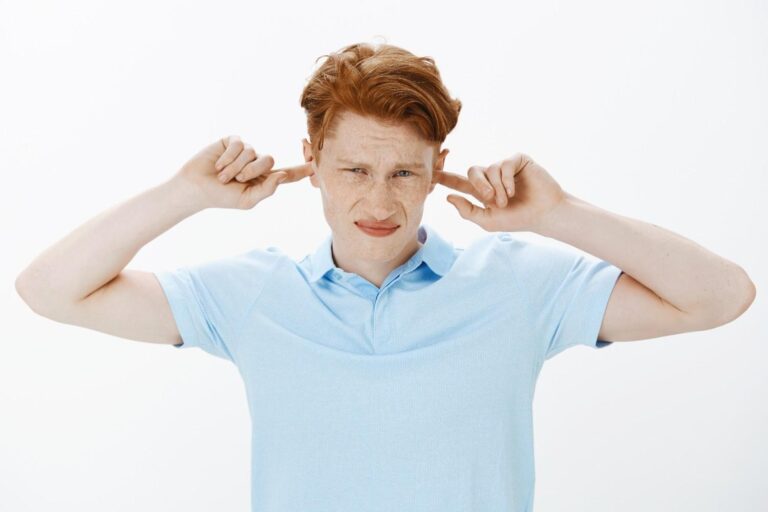
Have you ever felt a tight, heavy feeling in your chest and thought right away that it might be something serious? You might feel like an invisible hand is pushing on your chest or that your heart is going to stop. The good news is that this chest pain is not usually caused by a heart attack, even though it is scary. A lot of us have anxiety, but it can be hard to tell if it’s just that or something worse.
we’ll talk about anxiety chest pain in great detail, including what causes it, what it feels like, and how to treat it. If you get stressed out sometimes or have panic attacks often, knowing how stress and anxiety are connected can help you find ways to deal with them.
What is chest pain caused by anxiety?
Chest pain is common with anxiety disorders, especially during panic attacks. This pain is typically due to bodily processes going on in response to a stressor, such as tightness or discomfort in the chest. It very much can happen all the sudden, which can make it feel overwhelming. It can feel like: pain, sharp, or pressure sensation.
Now what is it that causes anxiety to create these symptoms of chest pain? In order to understand this, we need to explore what happens in the body during stress.
So how is stress connected to chest pain?
Under stress or anxiety, your body is in “fight or flight” mode. This entails the body getting ready for fighting or running away in reaction to a supposed threat to safety or self-preservation (either biological or psychological). During the “fight or flight” response, the heart races, muscles tense, and blood is directed away from organ and into your major muscle groups. This includes your diaphragm and the muscles of your chest which can create tightness or discomfort in the chest. Hyperventilating or breathing shallow is a reaction to anxiety which can enhance the feelings and also the discomfort and/or chest pain.
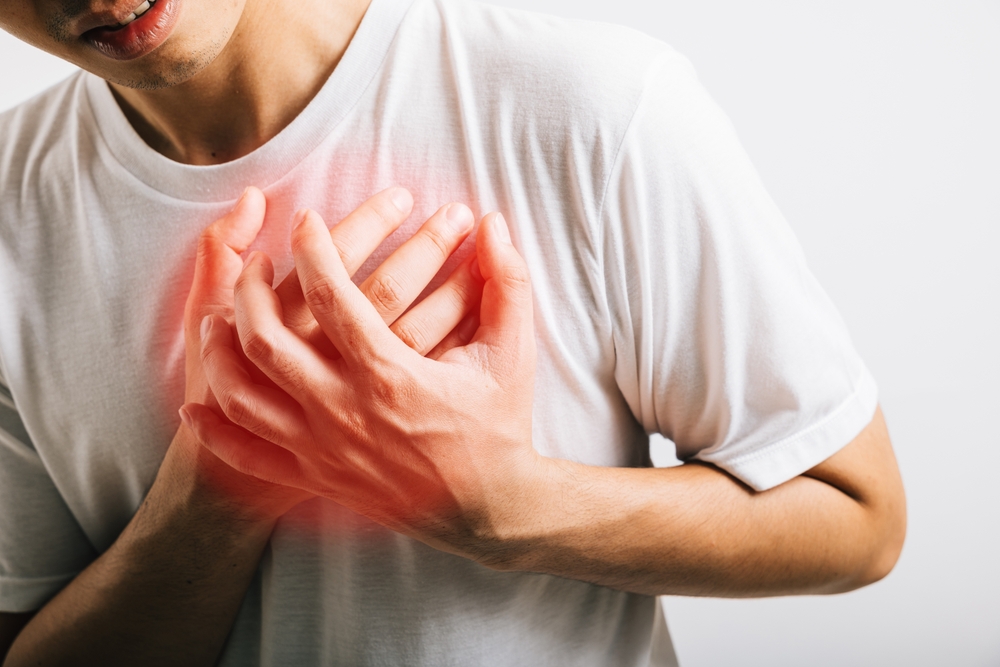
Symptoms of Chest Pain Related to Anxiety
People who have anxiety-related chest pain usually have the same symptoms, but they can be different for each person. Here are some common signs of chest pain that is related to anxiety:
Most people say they feel like a tight band or heavy weight is pushing on their chest.
Sharp or stabbing pain: Some people may have sharp chest pains that come and go.
Soreness or aching: This kind of pain can last longer and feel like a dull ache that won’t go away.
Breathing-related symptoms: Their chest may feel tighter because they are breathing quickly or shallowly.
Feeling like someone is sitting on your chest: When someone is very anxious, they might feel like their chest is heavy or tight.
It’s important to know that chest pain caused by anxiety usually goes away faster than chest pain caused by heart problems. It usually goes away when the stress or anxiety does. If the pain doesn’t go away or is accompanied by other serious symptoms, you should see a doctor to make sure it’s not something else.
How Does Anxiety Cause Chest Pain?
When you’re anxious, your brain tells your body to let go of stress hormones like cortisol and adrenaline. These hormones change the way your body looks so that it can fight or run away. Here they are:
1. Muscle Tightness: Stress may cause tightening of the muscles in your chest, which may be painful or uncomfortable.
2. Increased Heart Rate: If you are anxious, your heart may be racing. This may make you feel a pounding sensation or discomfort in your chest.
3. Rapid Breathing: If you are anxious, you may notice you start to breathe rapidly and/or shallow. This may create tightness in your chest and/or make it feel as if you are not getting enough air.
4. How important it is to be hypervigilant: When you’re anxious, your mind is always looking for signs of danger. When you are more sensitive, normal body sensations can feel much stronger, making you think they are signs of a more serious problem.
How does anxiety cause chest pain?
People with anxiety may feel chest pain in different ways, but here are some common ways they describe it:
A lot of people say they feel tightness or pressure. It could feel like a big weight or something pressing down on the chest.
Sharp or Stabbing Pain: Anxiety can make you feel sharp, short, and intense pain.
Aching or Dull Pain: Some people say they have a chest ache that doesn’t go away until their anxiety does.
Pain: Your chest may also hurt after a long day of work.
Anxiety chest pain usually only lasts for a short time and goes away as soon as the stress or anxiety goes away. This pain is not the same as heart attack pain.
Does anxiety make you feel tight in your chest all the time?
Yes, people who have chronic anxiety or an anxiety disorder can feel tightness in their chest daily. Stress and muscle tension all the time can make chest tightness even worse. You must confront the stress and anxiety that cause your chest to feel tight daily.
How to Relieve Chest Tightness From Anxiety
The good news is there are ways to address the tightness and chest symptoms that are related to anxiety. You can start to feel better by:
1. Deep Breathing: Taking long, deep breaths can help your body feel relaxed and help you feel less tight.
2. Progressive Muscle Relaxation: This technique consists of tightening and relaxing many groups of muscles throughout the body. It might help ease the tension in your chest.
3. Mindfulness and Meditation: You can control your chest pain by staying in the moment and using mindfulness and other techniques to calm your mind.
4. Exercise: Regular exercise can assist in reducing overall stress and anxiety and may also help in reducing tightness in the chest over time.
5. Reduce caffeine and stress: Sometimes, anxiety and chest pain can be made worse by too much caffeine and stress. Reducing caffeine, and finding ways to decrease your stress such as hobbies or relaxation exercises can help.
6. Seek Help: If you are experiencing chest pain frequently, or extremely severe chest pain, a therapist or counselor can help you manage your anxiety that is causing the chest pain. Cognitive behavioral therapy (CBT) is a proven method to help with anxiety symptoms like chest pain.
When To Be Concerned About Chest Pain?
Anxiety chest pain is usually not serious, but it is good to know when to call your doctor. Go to the emergency room/seek medical attention for these reasons:
- Chest pain that does not get better with resting, or has been lasting for a long time.
- Pain that travels down the arm, especially the left arm.
- Chest pain that is shortness of breath/inability to breathe.
- Pain with nausea, dizziness, sweating, or loss of consciousness.
You should never ignore these signs because they could mean you have a heart attack or another serious illness.
Conclusion
Chest pain due to anxiety is frightening, but keep in mind that it’s typically temporary and not dangerous. Understanding how anxiety causes chest pain and how to respond to it will help you reclaim your sense of control and alleviate some of the fear that surrounds these feelings. You can help manage anxiety chest pain and live free of discomfort and more actively and healthily by managing stress, using relaxation techniques, and seeking support from professionals when necessary.
If you’re not sure if your chest pain is caused by anxiety or something else, it’s best to see a doctor.