Ever catch your ear making weird noises, like a bowl of Rice Krispies? Don’t worry, you’re in good company. People complain about all sorts of ear sounds—crackling, popping, clicking, bubbling, crunching, even a loud “pop!” when you yawn or swallow. It shows up in a bunch of ways:
“My ear keeps popping.”
“My ears crackle when I swallow.”
“There’s clicking when I chew.”
“It sounds like my ear’s full of static or bubble wrap.”
“Thunder, crunch, or just a random pop—sometimes it’s loud, sometimes it’s soft.”
Here’s the upside: Most of the time, these noises are harmless and pretty easy to fix. The real challenge is figuring out exactly why your ear’s putting on a sound show.
We’ll break it down without any medical mumbo-jumbo, scare tactics, or useless filler—just plain talk.
So, what’s “crackling in ear” mean, anyway?
For starters, it’s not a single problem. Crackling is a symptom—just a weird sound, not a diagnosis.
It might sound like:
Bubbles popping
A clicking drum
Scratchy or gurgling
Squelching, static, or ticking
Usually, these sounds happen because pressure, fluid, or even muscles and joints around your ear are moving. Ears are like little pressure valves. When something’s off, they start making noise.
The most common culprit? Eustachian Tube Dysfunction—ETD.
This is the main reason people get:
- Popping when they swallow
- Pops when they yawn
- Crackling when blowing the nose
- Pressure that crackles
What’s the Eustachian tube?
It’s a tiny tunnel connecting your middle ear to the back of your nose and throat. Its job is to balance pressure, drain fluid, and keep things sounding clear. Every time it opens or closes, you might hear a pop or crackle.
Why does ETD happen? A few usual suspects:
- Colds or sinus infections
- Allergies
- Acid reflux (yep, GERD)
- Changes in air pressure (like flying or diving)
- Tonsillitis
- Stress and anxiety
Classic ETD signs:
- Your ears pop every time you swallow
- You feel pressure and popping
- Crackling when you yawn
- One ear randomly goes muffled
But sometimes, the jaw’s to blame. TMJ—the joint right next to your ear canal—can make things noisy if you chew, yawn, or clench your teeth a lot.
How do you know if your jaw’s involved?
- Clicking in your ear when you chew
- Crackling that seems to start in your jaw
- Jaw squeaks
- Crackling when you swallow
- Ringing in your ear that disappears if you clench your teeth
That’s TMJ-related ear noise, and it’s super common, especially if you grind your teeth or clench your jaw when you’re stressed.
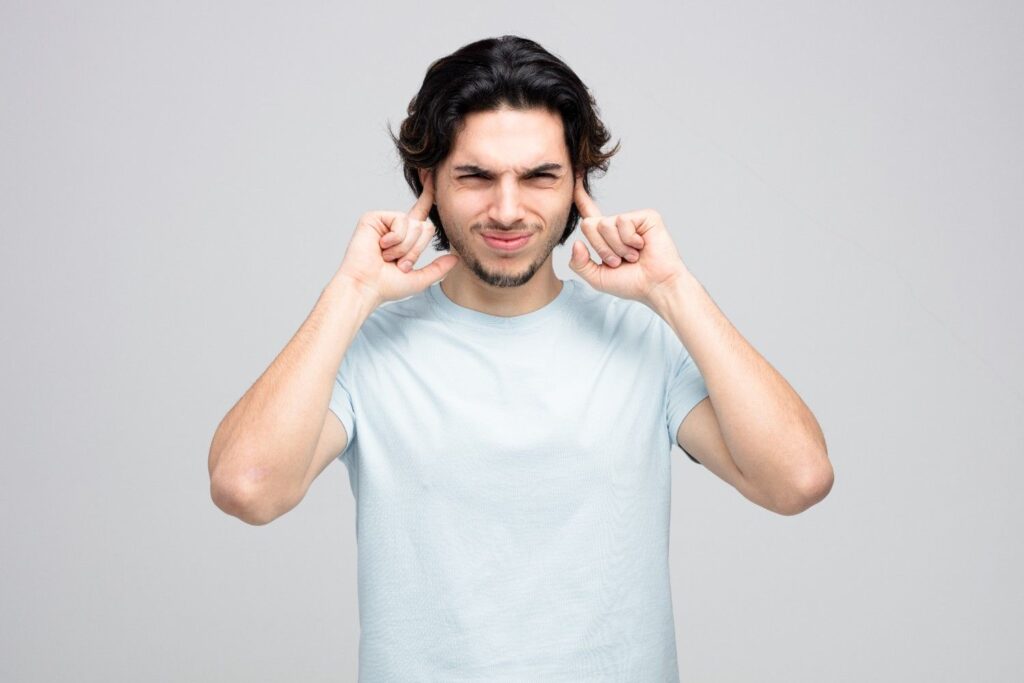
Muscle Spasms Inside Your Ear (Yes, That Really Happens)
Some of those weird crackling, ticking, or fluttering sounds actually come from tiny muscles deep in your ear. The main ones? The tensor tympani and the stapedius. When they spasm, you might notice things like:
- A ticking sound in your ear
- That odd sensation of tapping on your eardrum
- A crunchy noise when you flex your eardrum
- Crackling if you try to flex the tensor tympani on purpose
It can be unnerving, but honestly, this is almost always harmless.
What sets these muscle spasms off?
Usually stress, loud noises, too much caffeine, or just plain fatigue.
Here’s a key detail: Muscle-related ear sounds are usually rhythmic and often change with your body position. That’s actually how doctors can tell them apart from tinnitus.
Fluid, Wax, and Bubbles in the Ear
Sometimes, those sounds really are what they seem—liquid or air moving around in your ear.
You might get:
Fluid trapped behind the eardrum
Bubbling noises from ear drops
Tiny bubbles popping in the outer ear
Earwax building up
That bubble-popping sound when you rub your ear
These things usually lead to:
A squelching or gurgling sound
Bubbles popping in your ear
That weird feeling of liquid sloshing around
Heads up: Using cotton swabs can actually shove wax and moisture deeper, making these noises worse. Way too many people make this mistake without realizing it.
Anxiety and Stress Make Ear Popping Worse
A lot of people are surprised by this, but anxiety can crank up your ear noises. Think about it—when you’re anxious, you might clench your jaw, tense your muscles, swallow more, or just become hyper-aware of every sound in your head.
So, you get more ear popping, random crackles, and clicking—especially when you’re stressed out.
Is It Normal for Ears to Pop When You Swallow?
Absolutely—sometimes.
If it happens every once in a while, that’s normal. But if your ears pop every single time you swallow or it just won’t stop, it’s time to look for a cause.
How to Stop Your Ears From Crackling (What Actually Works)
For quick relief, try these:
Swallow slowly—don’t just gulp over and over
Yawn gently—don’t force it
Chew sugar-free gum
Use a warm compress on your jaw and neck
If you want to help your Eustachian tubes:
Try gentle Valsalva (never force it)
Use the Toynbee maneuver (swallow while pinching your nose)
Try Eustachian tube exercises your ENT recommends
For jaw-related crackling:
Skip the gum
Massage your jaw muscles
Cut back on caffeine
Practice stress management
For fluid or wax:
Let your ears dry out on their own
Don’t use cotton swabs
Only use ear drops as directed
And here’s a subtle detail nobody else seems to mention: If you overdo “ear popping” exercises, you can actually make the crackling stick around longer.
When Crackling in Your Ear Is a Red Flag
Call your doctor if you notice:
- Sudden hearing loss
- Severe dizziness
- Weakness on one side of your face
- Pain that won’t quit
- Crackling after really loud noise
These are rare, but they matter—don’t ignore them.
The Bottom Line
Crackling or popping in your ear is annoying, but most of the time, it isn’t dangerous. Usually it comes down to pressure, muscle movement, jaw tension, or fluid hanging around. Whether it’s popping when you swallow, clicking when you chew, or bubbles in your ear, it’s almost always something simple.
Medical Disclaimer
This article shares information for educational purposes—it’s not medical advice, diagnosis, or treatment. If you have health questions or concerns, talk to a qualified healthcare professional. Don’t ignore or put off professional advice because of anything you read here.