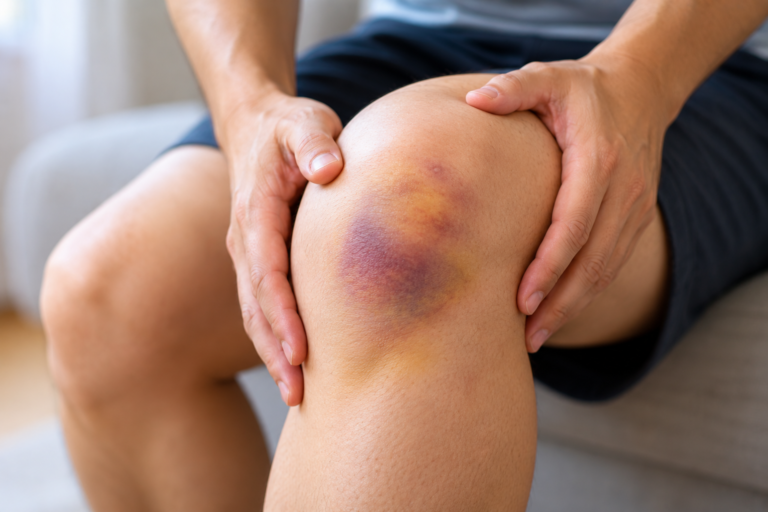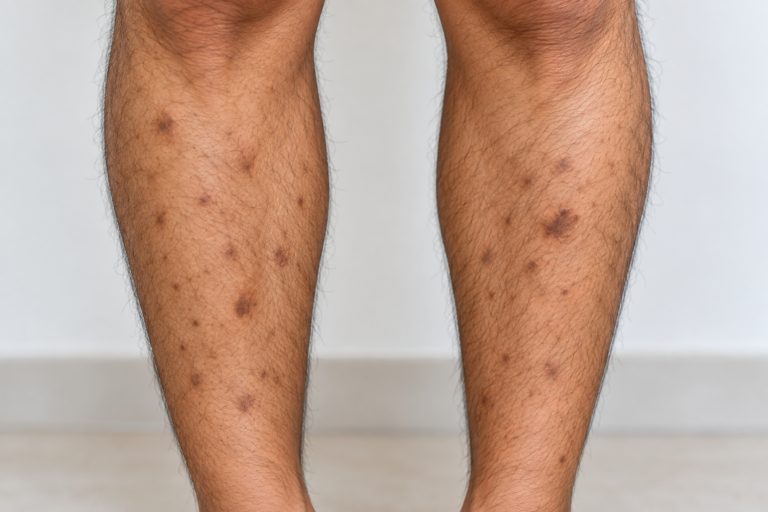
Noticed a skin tag that just doesn’t seem right? Maybe it’s grown, turned black, started hurting, or just looks off compared to the others. It’s pretty common to worry—lots of people google phrases like “cancerous skin tags” or “can a skin tags be cancerous” when something unfamiliar pops up on their skin. The truth? Most skin tags are nothing to stress about. But here’s the catch: certain skin cancers and other odd growths do occasionally look a lot like skin tags, especially at first.
Let’s clear things up. Here, I’ll walk you through what makes a skin tag a skin tag, what a cancerous skin tag might look like, and when it’s time to see a doctor. We’ll also touch on melanoma, squamous cell carcinoma, and how these and other conditions can be mistaken for something harmless.
What Exactly ARE Skin Tags?
Skin tags—doctors call them acrochordons—are those little, soft bits of skin that dangle off. They show up most where skin rubs against itself or your clothes. You’ll find them:
– Around the neck
– In the armpits
– On eyelids
– Under breasts
– In the groin
– Across the upper chest
– In skin folds
Typical skin tags are flesh-colored, maybe a bit darker, feel soft and flexible, and are usually tiny—think 2 to 5 mm. They grow slowly and don’t hurt. Sure, they might bug you for cosmetic reasons, but rest easy—true skin tags are benign. That means not cancer.
Can a Skin Tag Ever Be Cancerous?
Short answer: almost never.
A real skin tag almost never changes into cancer. But sometimes, cancers or pre-cancers—melanoma, squamous cell carcinoma, basal cell carcinoma—can look like weird skin tags at first. So if something’s changing fast, bleeds, hurts, or looks really off, it may not be a skin tag at all. It might be any number of things: a new mole, a fibroma, a rough patch of seborrheic keratosis, or something more serious.
Bottom line: Don’t try to self-diagnose by comparing to pictures online. If a spot seems odd, see a doctor and get it checked.
Are Skin Tags Ever Dangerous?
Almost never. Skin tags don’t typically spread, turn cancerous, or mess with your health. For most folks, they’re just there—no treatment required.
But sometimes they cause problems. If a tag keeps snagging on jewelry, gets twisted and loses its blood supply, shows signs of infection, bleeds often, hurts, or changes all of a sudden, call your doctor. Even though they’re mostly benign, any weird or unexpected growth deserves attention.
Can Skin Tags Be Harmful?
Most aren’t. But they can get irritated—maybe from rubbing on clothing, shaving, exercise, or an unfortunate encounter with jewelry. This can cause redness, swelling, tenderness, and sometimes bleeding or itching. All that can look scary, but irritation alone doesn’t mean cancer. If irritation drags on for weeks, though, have it looked at.
What Does a Cancerous Skin Tag Look Like?
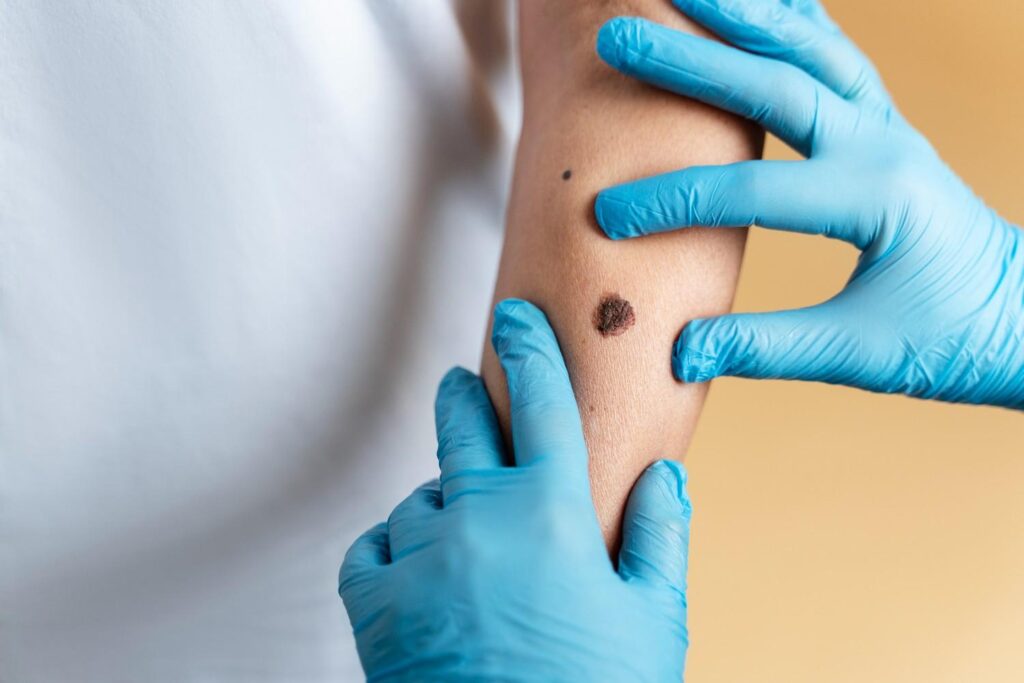
Here’s the million-dollar question. Truth is, there’s no single, surefire way to pick out a cancerous growth by looks alone. Still, there are some red flags:
- Grows quickly
- Turns black, dark brown, purple, blue, or has several colors
- Bleeds, especially with no injury
- Has an open sore or crusting
- Hurts and won’t stop
- Feels firm or is stuck down, not soft and wobbly
- Borders look jagged
Skin Tag Getting Bigger—Should You Worry?
Slow growth is pretty normal. Skin tags can get bigger over time thanks to friction, weight gain, hormones, or just aging. But if you’ve got a tag that doubles in size quickly, changes color, bleeds, hurts, or roughens up, get it checked out. Sudden changes are always worth a doctor’s look.
Skin Tag Turned Black—Time to Panic?
A skin tag turning black will catch your eye for sure—but most of the time, it’s not cancer. A tag can twist around and cut off its own blood supply (sounds gross, but it’s common), turning it dark purple or black, then shriveling up and falling off. Injury and tiny blood clots can do the same. That said, sometimes black coloring points to melanoma or something worse, so don’t ignore it—get it looked at if you’re unsure.
Painful Skin Tag—What’s Going On?
Pain by itself isn’t a cause for panic. Tags can hurt after twisting, getting infected, or rubbing against clothing. But if the pain sticks around, or if the tag also changes size, color, or texture, bleeds, or looks crusty, definitely get a pro opinion.
Why Is My Skin Tag Inflamed?
An inflamed skin tag looks red, swollen, tender, sometimes warm. Tight clothes, shaving accidents, infection, or loss of blood supply can all trigger this. Usually it’s harmless, but if the inflammation hangs on, see your doctor.
Melanoma in a Skin Tag—Should You Worry?
Melanoma is the bad boy of skin cancer—dangerous and tricky. Real skin tags almost never turn into melanoma, but melanoma can sometimes look skin-tag-ish. Watch for dark or variable colors, rapid changes, irregular edges, sores, itching, or bleeding. The ABCDE rule helps spot trouble:
– A: Asymmetry
– B: Border (irregular)
– C: Color (more than one)
– D: Diameter (bigger than 6 mm)
– E: Evolving (changing over time)
Anything that ticks these boxes? Get it checked.
Squamous Cell Carcinoma Masquerading as a Skin Tag?
It’s possible. Certain squamous cell carcinomas show up as raised, stalky growths that might pass for skin tags at first. Persistent crusting, bleeding, a rough or scabby surface, and rapid or painful growths set them apart. Left alone, they get worse—early treatment really matters.
Cancerous Skin Tag Pictures—Helpful or Not?
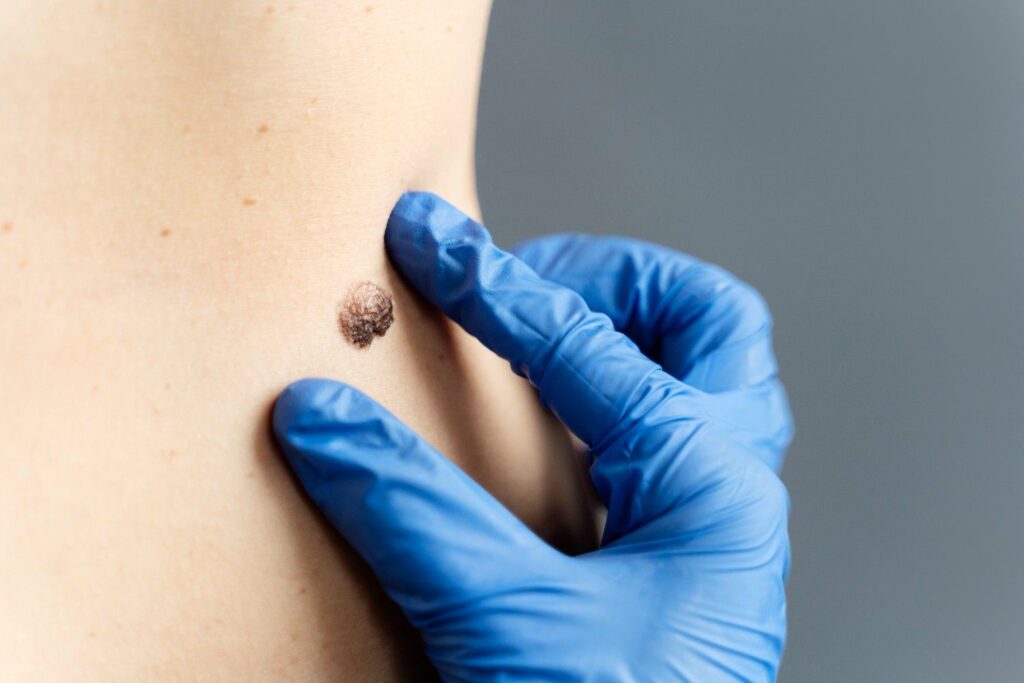
You’ve probably seen people search for “cancerous skin tags pictures.” Pictures are interesting, sure, but they don’t tell the whole story. Two growths can look the same but be entirely different things. Even dermatologists sometimes need a biopsy to know for sure. Don’t try to diagnose based on photos—there’s no substitute for a real medical opinion.
Who Gets Skin Tags, Anyway?
You’re more likely to get them if you:
– Are overweight
– Have insulin resistance or diabetes
– Are pregnant
– Are getting older
– Have a family history
– Have metabolic syndrome
Some research even links a sudden outbreak of lots of skin tags to bigger health issues, like metabolic stuff. That connection doesn’t come up much in casual skin tag conversations, but it’s something doctors think about.
When Is It Time to See a Doctor?
Don’t wait around if:
- The tag changes color
- Turns black
- Bleeds a lot
- Grows fast
- Starts to hurt
- Gets crusty
- Has weird borders
- Popped up after age 40 and changed quickly
- Looks different than your usual tags
A dermatologist can figure out if you’re looking at a skin tag, a mole, a cyst, or something more serious.
How Do Doctors Check Out Strange Skin Tags?
Here’s what happens:
– They start with a physical exam—just eyes and hands to check size, color, texture.
– Then might use a dermatoscope—a special magnifier—to spot patterns.
– If there’s any doubt, they’ll do a biopsy. Tiny bit comes off, gets checked in a lab. That’s the best way to rule out cancer.
If it’s benign, it can be frozen off, cut away, cauterized, or tied off (ligation). If cancer pops up, treatment swings into action based on what type and stage it is—early spots caught soon get the best results.
Quick FAQs
Q. Can a skin tags be cancerous?
Not usually, but some skin cancers can fake it.
Q. Are skin tags dangerous?
Usually not. But changes or new symptoms need evaluation.
Q. Are skin tags harmful?
Generally, no. They can irritate or get infected, though.
Q. Why’d my skin tag turn black?
Probably lost its blood supply, got injured, or developed a clot. Sometimes, rarely, more serious.
Q. Can melanoma look like a skin tag?
Yes, which is why anything changing or odd should be examined.
Q. Is a painful skin tag always cancer?
No. Usually just irritated—but pain that won’t quit needs checking.
Final Take
Most skin tags are harmless and don’t turn cancerous. But don’t ignore red flags—fast growth, new color, bleeding, persistent pain, or anything that seems really different. Don’t trust random internet pictures to make your call. When in doubt, a quick trip to the dermatologist can give you a clear answer and real peace of mind. With skin changes, it’s always better to be safe than sorry.
References
- Healthline. Cancerous Skin Tags: What to Know.
- Dermatology Seattle. Skin Tags vs. Rare Skin Cancer.
- Clearview Dermatology. Skin Tag vs. Skin Cancer.
- DermNet NZ. Skin Tags (Acrochordons).
- Cleveland Clinic. Skin Tags: Causes, Symptoms, and Removal.
- American Academy of Dermatology. Skin Tags: Diagnosis and Treatment.
- National Cancer Institute. Skin Cancer Information.
Medical Disclaimer
This article shares information for educational purposes—it’s not medical advice, diagnosis, or treatment. If you have health questions or concerns, talk to a qualified healthcare professional. Don’t ignore or put off professional advice because of anything you read here.