Have you ever looked in the mirror and spotted white patches on your tonsils? It feels weird, right? It’s not exactly what you expect to find, and it gets even more unnerving if your throat’s sore or swallowing hurts. But don’t freak out just yet—white spots aren’t always a sign of something dangerous.
Most of the time, you’re seeing them because of things like strep throat, a viral infection, or the ever-annoying tonsil stones. Tonsil stones are just little balls of debris—food, bacteria, and dead cells—that get stuck in the crevices of your tonsils. The best way to deal with white spots really depends on what’s causing them, so try not to jump to any conclusions just yet.
What’s Up With White Spots on Your Tonsils?
Tonsils sit at the back of your throat, acting as your body’s little security guards. They catch bacteria and viruses before these germs can cause a bigger problem. Since they’re on the front lines, the tonsils can get infected or inflamed pretty easily.
When that happens, you might spot things like:
• White patches or spots
• Yellowish or creamy coating
• Tiny white bumps
• Pus that looks thick and white
• Gunk caught in the tonsil crevices
• Swollen or angry-looking (red) tonsils
White stuff in your throat isn’t a diagnosis—it’s a clue. Sometimes it’s pus from an infection, sometimes just hardened debris like tonsil stones, and other times a fungal coating is to blame.
How Do Healthy Tonsils Look?
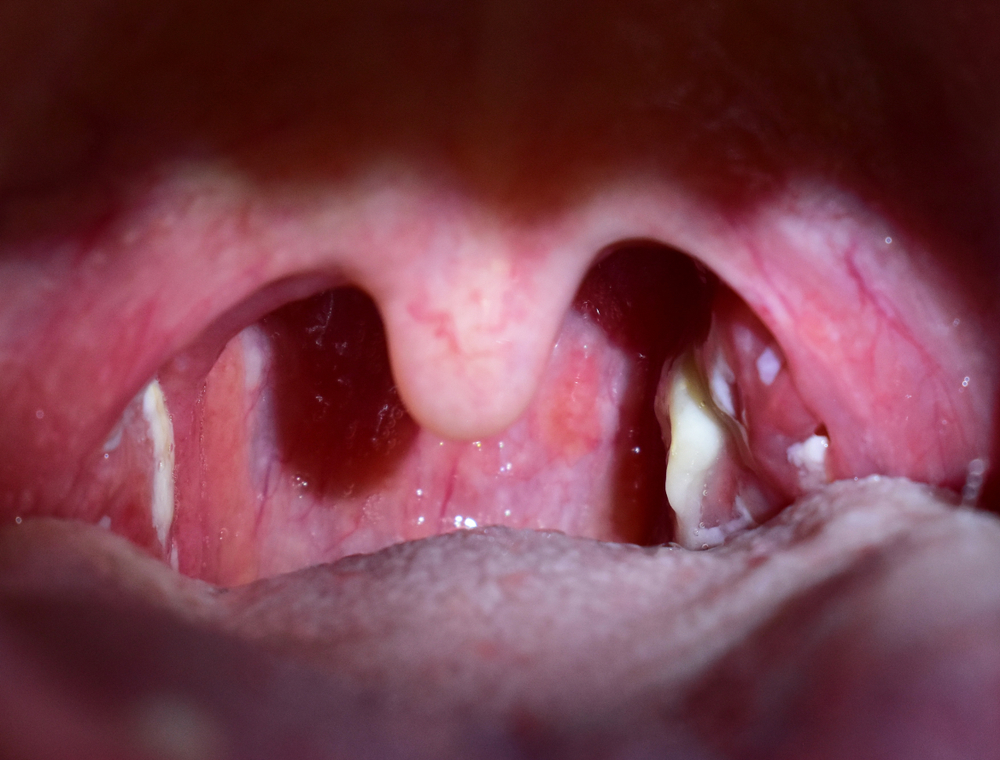
Normal tonsils are pink, smooth (maybe a little bumpy—totally fine), about the same size, not swollen, and definitely not covered in white film, sores, or thick stuff.
But if your tonsils look white, swollen, or one looks a lot bigger or different than the other, you should take it seriously—more so if you’re dealing with fever, pain, or difficulty swallowing.
What Do These White Spots Even Look Like?
White spots on tonsils can take a few different forms:
- Tiny dots, thick patches, or a creamy white film
- Gooey yellow-white pus or chalky lumps
- Bright white circles or streaks trapped in the tonsil pockets
- Just one spot, or several patches, on either or both tonsils
Doctors won’t just look at what’s going on—they’ll ask about how you feel, what other symptoms you have, and your medical history to figure out what’s really happening.
Common Signs to Watch
White spots aren’t always the only thing going on. Sometimes you find them by chance while brushing your teeth. Other times, you feel sick for days before you notice anything odd.
Things people often notice:
- Sore throat
- Pain when you swallow
- Puffy tonsils
- Fever and chills
- Funky breath
- Ear pain
- Swollen glands in your neck
- Headaches, feeling wiped out, or a scratchy voice
- Finding it hard to swallow
Some folks have white spots and no sore throat at all, while others can barely swallow because it hurts so much.
What Causes White Stuff on Your Tonsils?
Lots of things can be behind those white patches—sometimes it’s bacteria, sometimes a virus, and sometimes not even an infection.
Here are the usual suspects:
• Strep throat (Group A Strep bacteria)
• Viral tonsillitis (like a bad cold or flu)
• Tonsil stones
• Mono (“the kissing disease,” caused by Epstein-Barr virus)
• Oral thrush (a yeast infection in the mouth)
• Peritonsillar abscess (a pocket of pus around the tonsil)
Let’s break those down a little more.
1. Strep Throat
Strep throat is a biggie. It’s caused by Group A Streptococcus. The sore throat usually comes out of nowhere and brings along:
• Really painful throat
• White patches or pus on tonsils
• Fever
• Swallowing hurts
• Swollen neck glands
• Headache, body aches
One tip-off: strep usually doesn’t give you a cough or runny nose. The white patches here are pus—basically, your body’s way of fighting the bacteria.
Doctors can check for strep with a quick throat swab. If the test’s positive, you’ll get antibiotics.
2. Viral Tonsillitis
Not all sore throats need antibiotics. Viruses cause tons of sore throats and can also give you white spots. Think common colds, the flu, COVID, RSV, or adenovirus.
Common symptoms:
• Mild to medium sore throat
• Cough
• Runny nose
• Sneezing and fatigue
• Maybe a light fever
These usually clear up within a week, and you just need rest, fluids, and a way to ease the discomfort.
3. Tonsil Stones
If you have white spots but you’re not really sick, you might’ve found a tonsil stone. These are bits of food, mucus, and dead cells stuck in the tonsil “crypts,” which then harden.
You might notice:
• Small white dots
• Really bad breath
• Something weird stuck back there
• A little pain swallowing, or even ear pain
• A bad taste
Tonsil stones don’t usually make you feel sick—plenty of people don’t even know they have them until they spot a pebble in their throat.
4. Mono
Mono (thanks, Epstein-Barr virus) is classic in teens and young adults, but anyone can get it. Symptoms hang around:
• Swollen tonsils with thick white patches
• Exhaustion that just won’t quit
• Fever and body aches
• Swollen glands
The real giveaway is how tired you feel—even after your throat is better, you can stay wiped out for weeks. If mono’s suspected, you may need a blood test.
5. Oral Thrush
Thrush is a yeast problem, not just isolated to your tonsils. It can spread to your tongue, cheeks, roof of your mouth, and the rest of your throat. Telltale signs:
• Creamy-looking white patches
• Burning or soreness
• Tough time swallowing, or your mouth feels “cottony”
• Unusual tastes
Thrush is more common if you have diabetes, recently took antibiotics, use steroid inhalers, wear dentures, or have a weakened immune system. The white patches often wipe off, but they leave a red, raw spot.
6. Peritonsillar Abscess
A peritonsillar abscess is a nasty bacterial infection that happens when a regular throat or tonsil infection gets out of control and spreads next to your tonsil. Instead of just some white patches, you get a pocket of pus forming off to the side, which makes one half of your throat look swollen and lopsided.
Should I Worry About One White Spot?
Not necessarily. A single spot could be a tiny tonsil stone, an early sign of infection, or just some food stuck in the tonsil’s pocket. If you feel fine and it goes away in a few days, you’re probably in the clear.
But if it sticks around, gets bigger, or starts to hurt—especially if you have trouble swallowing—let your doctor take a look.
How Do Doctors Figure Out What’s Going On?
If your white spots don’t clear up in a few days or you feel really miserable, see a professional. They’ll check your throat and ask things like:
• When did this start?
• Do you have a fever?
• Does swallowing hurt?
• Have you had strep before?
• Just one tonsil or both?
• Have you been around anyone sick recently?
Depending on your answers, you might get a throat swab, which quickly checks for strep, or a lab throat culture if the first test is negative. Maybe a blood test if something like mono is suspected. Most of the time, a quick check-up and a swab are all that’s needed.
How Do You Get Rid of White Spots?
Getting rid of those spots depends on what’s causing them. Here’s the short version:
• Strep throat—antibiotics help
• Viral infections—rest, fluids, and patience
• Tonsil stones—might fall out on their own, or you can gently remove them (nothing sharp!)
• Oral thrush—antifungal meds do the trick
• Peritonsillar abscess—this one’s urgent, so get to a doctor fast
Skip the antibiotics unless your doc tells you to take them.
Home Remedies—What Actually Helps?
For mild symptoms, these make a difference:
1) Gargle with Warm Salt Water
Mix half a teaspoon of salt in a cup of warm water and swish it around in your mouth. It can soothe the throat, loosen up mucus, and even knock loose small bits.
2) Drink, Drink, Drink
Stay hydrated with water, tea, broth, or clear soups—especially if it hurts to swallow.
3) Soft Foods Only
Skip spicy, crunchy, or acidic stuff until your throat calms down. Go for yogurt, oatmeal, mashed potatoes, soup, or applesauce.
4) Rest Up
Sleep really does help your immune system fight off infections.
5) Pain Relief
Over-the-counter medicines like acetaminophen or ibuprofen can take the edge off—and make it easier to eat and sleep.
Should You Remove White Spots Yourself?
If it’s a tonsil stone, it usually pops out when you cough or gargle. Resist the urge to go digging—no toothpicks, cotton swabs, or tweezers! You risk hurting yourself and causing an infection.
If you keep getting tonsil stones or they’re painful, ask an ENT specialist for advice.
When Should You Call the Doctor?
Most sore throats clear up in a week. But get checked out if you have:
- White spots that stick around past a week
- Really bad pain
- Trouble swallowing
- Swollen neck glands
- Repeated throat infections
- Tonsil stones that smell awful or just keep coming back
- Patches that show up again and again
Get medical help right away if you can’t breathe, can’t swallow even your own spit, have severe swelling on one side of your throat, can’t open your mouth, develop a high fever with bad throat pain, or start bleeding after a tonsillectomy.
Can You Prevent White Spots?
You can lower your risk with good habits:
- Brush your teeth twice a day and floss to keep bacteria and food particles at bay.
- Wash your hands often, especially before eating or after being in public places.
- Don’t share drinks, eating utensils, or toothbrushes.
- Get enough sleep, eat a balanced diet, stay active, keep hydrated, and manage stress. All these help your immune system do its job.
Frequently Asked Questions
Q. Do white spots go away on their own?
Yes, with viral infections and tonsil stones, they often do. Bacterial infections like strep usually need antibiotics.
Q. Are they always contagious?
No—tonsil stones aren’t, but strep, viral tonsillitis, and mono definitely can be.
Q. What if I have a white spot but no pain?
That could be a small tonsil stone, food, or the start of an infection. If it hangs around for more than two weeks, see your doctor.
Q. Does smoking make it worse?
Yes—smoking irritates your throat, slows healing, and ups the risk of other throat problems.
Q. Can kids get white spots, too?
Absolutely. Kids often get them because of infections like strep or viral tonsillitis. See a pediatrician if symptoms linger.
Final Thoughts
White spots on your tonsils can freak you out, but they’re usually nothing too scary—most clear up on their own or with straightforward treatment. Listen to your body. If you’re not getting better, if things are really hurting, or you just feel off, get things checked out.
But if you ever have trouble breathing, can’t swallow, or notice swelling on just one side—don’t wait. Get checked out right away.
Most of the time, a little rest and the right care will have you feeling like yourself again in no time.
References
- https://www.mayoclinic.org/diseases-conditions/tonsillitis/symptoms-causes/syc-20378479
- https://www.mayoclinic.org/diseases-conditions/strep-throat/symptoms-causes/syc-20350338
- https://www.mayoclinichealthsystem.org/hometown-health/speaking-of-health/all-about-tonsil-stones
- https://my.clevelandclinic.org/health/diseases/21146-tonsillitis
Medical Disclaimer
This article shares information for educational purposes—it’s not medical advice, diagnosis, or treatment. If you have health questions or concerns, talk to a qualified healthcare professional. Don’t ignore or put off professional advice because of anything you read here.