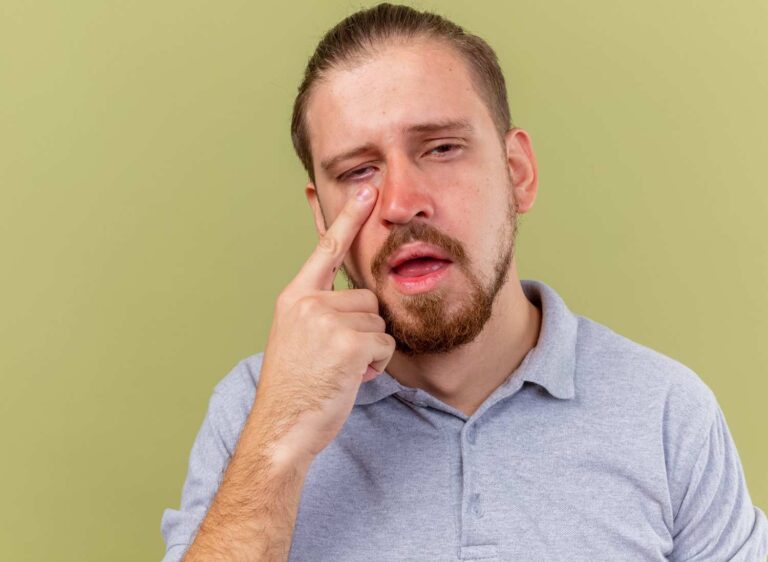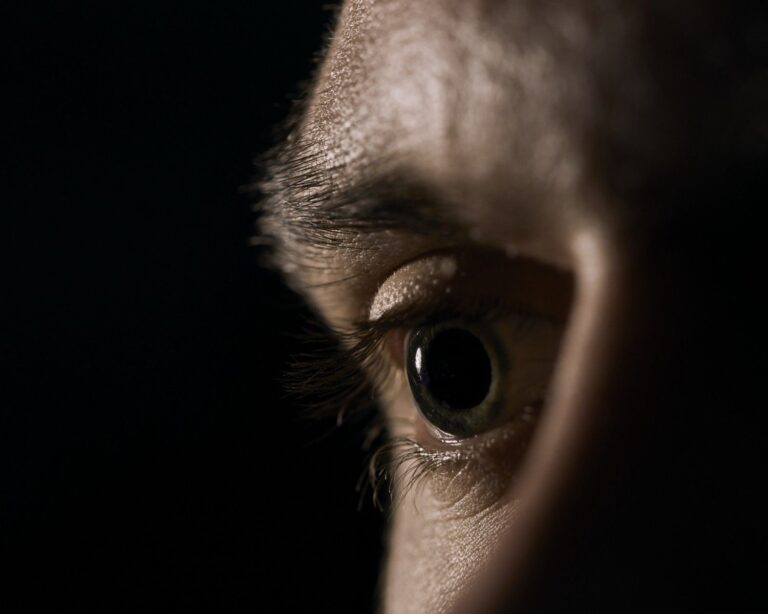
Ever catch a glimpse of yourself in the mirror and wonder why your eyes look so tired, even after a solid night’s sleep? Maybe the under-eye area seems dark, hollow, or sunken—and you just can’t figure out why.
You’re definitely not alone.
Sunken eyes bug plenty of men and women. Some people notice a bit of hollowness, others see deep eye sockets or shadows that make them look older, a little stressed, or just not their best.
The upside? Most of the time, you can actually do something about it—simple lifestyle tweaks, hydration, skin care, or even medical treatments can make a big difference.
So, what are sunken eyes, anyway?
Basically, “sunken eyes” means the skin and tissue around your eyes lose volume, moisture, or fat—and you start seeing hollows or shadows under and around your eyes.
People describe them all sorts of ways: hollow eyes, deep eye sockets, gaunt eyes, tired eyes, receding eyes, you name it.
Sometimes, it’s just genetics. Other times, sunken eyes show up with age, dehydration, stress, poor sleep, or illness.
Sunken eyes: what does that mean?
It’s just the eyes looking like they sit deeper in the sockets than they used to—thanks to thinner fat, less collagen, dehydration, or simply shadows forming under the eyes.
In stories or art, “hollow eyes” might hint at sadness, exhaustion, or even illness and fear.
How do sunken eyes look next to “normal” eyes?
Normal eyes have a smooth and full under-eye area, barely any shadows, balanced sockets, and look fresh and awake. Sunken eyes? Hollow or indented under the eyes, visible shadows, deeper sockets, tired or older appearance, and skin that feels thinner.
People often mix up dark circles and sunken eyes. Dark circles are mostly about skin color—sunken eyes are more about losing volume. Sometimes, both show up at once.
What causes sunken eyes?
There’s no single answer. Physical, emotional, and lifestyle stuff all play a part. Here’s how it breaks down.
1. Aging
This is a big one. Over time, your body slows down on collagen production, skin gets thinner, fat under eyes decreases, bone structure shifts, and your tear troughs deepen. That’s why older folks tend to have more pronounced hollows around their eyes.
2. Dehydration
Lack of water in your system knocks elasticity out of your skin. Your eyes sink, dark circles pop out, and your face just ends up looking dull and tired. If you’re dehydrated, you’ll probably notice dry lips, fatigue, headaches, and a dry under-eye area. Kids get this, too, if they’re dehydrated.
3. Lack of Sleep
When you don’t sleep well, blood circulation suffers around your eyes. That leads to shadows, puffiness, hollow eyes, and that classic tired look. Genetics and how your face is built matter—a lot some folks get puffiness, others get hollows.
4. Weight Loss
Drop pounds quickly and you might lose facial fat—especially under your eyes. This is common for people who diet hard, deal with eating disorders, get sick, or lose weight from stress.
5. Genetics
Some people are just born with deeper sockets or thinner under-eye skin—if your parents have sunken eyes, it’s probably in the family. Doesn’t always mean you’re unhealthy, just your natural structure.
6. Stress and Depression
Stress messes with sleep, hormones, and your skin. People dealing with depression or anxiety may see changes from poor sleep, dehydration, fatigue, or appetite shifts. Over time, emotional exhaustion can show up physically.
7. Smoking, Alcohol, Drugs
Smoking kills collagen, while alcohol drains your body of water. Drug use can really hollow out the eyes—through weight loss, lack of sleep, poor nutrition, dehydration.
8. Allergies and Sinus Issues
Allergies can pump up dark circles, puffiness, eye rubbing, and irritation. Chronic sinus problems sometimes bring out “allergic shiners”—dark patches under the eyes.
9. Nutritional Deficiencies
Missing iron, vitamin K, vitamin C, or protein impacts your skin visibly. Poor nutrition might make the area look pale and hollow.
10. Medical Conditions
Sometimes, sunken eyes signal a health issue: severe dehydration, Crohn’s, eating disorders, chronic illness, COPD, hyperthyroidism, stress, or sleep disorders. If hollowness comes on suddenly with other symptoms, get it checked out.
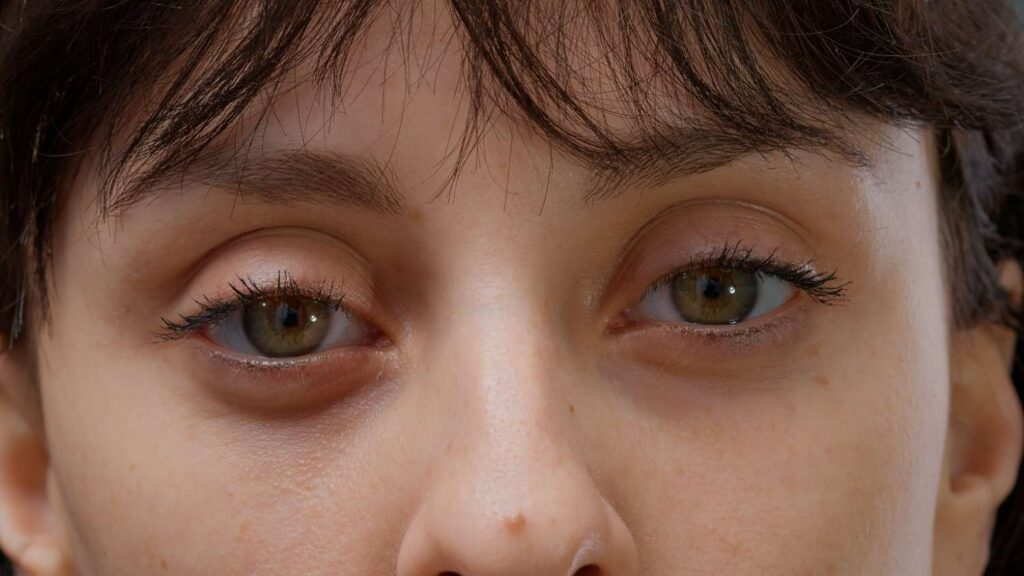
What about tear troughs?
That groove between your lower eyelid and cheek? That’s your tear trough. It gets more obvious as fat decreases, skin thins, and collagen breaks down—one of the main culprits for under-eye hollows.
How do sunken eyes feel?
Most people notice deep hollows, dark shadows, thin skin, a tired look, dull eyes, hollow eyelids, crepey texture, or unevenness. Sometimes, one side looks deeper than the other—that’s usually normal.
Getting rid of sunken eyes (naturally)
If your hollows are mild, you might be able to fix things with some everyday changes.
1. Drink More Water
Hydration boosts skin elasticity and fullness, especially if dehydration is the problem. Dull skin and shadows often lighten up with steady water intake.
2. Better Sleep
Sleep fixes skin and reduces strain. Try for 7–9 hours, cut the screens before bed, elevate your head a bit, and skip caffeine at night.
3. Cold Compresses
A cold compress will help with swelling and boost circulation—making your eyes look more awake for a while.
4. Eat Protein and Healthy Fats
Good nutrition helps facial volume. Eggs, nuts, fish, avocados, yogurt, olive oil—solid choices. Focus on a balanced diet, not shortcuts.
5. Eye Creams
They won’t erase hollows, but hydrating creams help dryness, fine lines, dark circles, and thin skin. Hyaluronic acid, retinol, vitamin C, peptides, caffeine—look for those ingredients.
6. Stress Management
Seriously—exercise, meditation, good sleep, walks, social time. Your eyes really reflect your emotional state.
Medical fixes
If simple routines don’t work, doctors have other options.
1) Dermal Fillers
Super popular—hyaluronic acid fillers restore volume under the eyes, lasting 6–18 months.
2) PRP Therapy
Uses your own blood platelets to boost skin quality and collagen. Works best for mild hollowness and dark circles.
3) Fat Transfer
Doctors move fat from elsewhere to underneath the eyes for longer-lasting volume.
4) Laser Treatments
Improves texture, collagen, fine lines, and pigmentation.
5) Surgery
If things are severe: orbital hollowing, extra skin, deep tear troughs—a surgeon can correct these.
Can you prevent sunken eyes?
You can’t stop time or change your genes, but you can slow things down. Hydrate, wear sunscreen, eat healthy food, avoid smoking, manage stress, and get enough sleep.
When to call a doctor
If you suddenly notice severe sunken eyes, eye pain, vision changes, rapid weight loss, chronic fatigue, dehydration, or eating disorder symptoms, don’t wait—get medical advice.
Most cases are harmless, but sometimes there’s something bigger going on.
A few myths busted
Myth 1: Only old people get sunken eyes
Not true. Young folks—even teens—can see hollow eyes, often from stress, dehydration, weight loss, or just genes.
Myth 2: Drinking water fixes everything
Hydration helps. But it won’t reverse genetic or age-related loss.
Myth 3: Puffy eyes and sunken eyes are opposites
Actually, you can have both—puffy above, hollow underneath.
Daily routine ideas for sunken eyes
Morning: Gentle wash, caffeine eye cream, sunscreen, water.
Night: Remove makeup, hydrating cream, solid sleep.
Weekly: Stress management, nutrient-rich food, limit alcohol.
Sticking to the basics works better than pricey products.
Final thoughts
Sunken eyes can come from aging, dehydration, stress, sleep issues, genes, illness, or weight loss. For some people, it’s just natural structure; for others, it’s about lifestyle or health.
But most cases improve with better sleep, hydration, nutrition, stress reduction, and skin care. If not, stuff like fillers or PRP therapy can help.
Your eyes don’t have to look tired forever. A few healthy changes can perk up your appearance more than you might expect.
FAQs
Q. Are dark circles and sunken eyes the same?
Nope. Dark circles are about skin color; sunken eyes are about losing volume.
Q. Can dehydration cause sunken eyes?
Absolutely. Dehydration can make eyes look hollow and tired.
Q. Are sunken eyes dangerous?
Usually not. If they show up fast and are severe, see a doctor.
Q. Do fillers help under-eye hollows?
Definitely. Fillers are one of the most effective cosmetic options.
Medical Disclaimer
This article shares information for educational purposes—it’s not medical advice, diagnosis, or treatment. If you have health questions or concerns, talk to a qualified healthcare professional. Don’t ignore or put off professional advice because of anything you read here.