If you’ve been searching for a way to tackle acne scars, dark spots, uneven skin tone, fine lines—or maybe you just want some serious glow—chances are you’ve come across the VI Peel.
This peel isn’t your usual spa facial. It’s a medical-grade treatment that’s taken off in popularity because it knocks out several skin concerns at once. Unlike those basic peels, a VI Peel works deeper in your skin. It clears away damaged cells, revs up collagen, and leaves your face smoother and brighter.
What Is a VI Peel?
A VI Peel (you’ll see it called VI-Peel or V.I. Peel, too) is a professional-grade chemical peel that improves both the look and health of your skin.
It’s not like old-school peels that just use one acid. This one mixes several active ingredients that team up to exfoliate, boost collagen, and trigger cell turnover, making your skin fresher and more even.
Within days, your skin starts to peel, and what’s underneath? Smoother, brighter, and healthier skin.
If you want something that targets multiple problems at once but doesn’t leave you peeling for weeks, this is one of the top picks in the world of chemical peels.
How Does a VI Peel Work?
Your skin is always renewing itself—old cells shed, new ones move in. But things like age, sun, hormones, or just life can slow that cycle down. Dead skin piles up, pores get clogged, and your skin looks dull or spotty.
The VI Peel speeds things up.
What happens is pretty straightforward:
1. A pro cleans your skin and applies the peel.
2. The active ingredients sink into the outer skin layers.
3. Damaged cells loosen and start breaking away.
4. Peeling kicks in within a few days.
5. Fresh skin surfaces as the old layer sheds.
6. Your collagen gets a boost, which means even smoother skin over the next several weeks.
So it doesn’t just remove dead cells—it actually gets your skin working on repair and regeneration.
What’s Inside a VI Peel?
This peel isn’t a one-trick pony. It’s got multiple ingredients working on different issues all at once:
Trichloroacetic Acid (TCA): This does most of the heavy lifting. It exfoliates, ramps up collagen, softens fine lines, tackles old acne marks, and helps undo some sun damage.
Salicylic Acid: This is a lifesaver if you’ve got oily or breakout-prone skin. It gets deep into the pores, reduces oil, and reins in breakouts.
Retinoic Acid: This vitamin A derivative levels up cell turnover and evens out rough texture and stubborn pigmentation.
Vitamin C: An antioxidant that brightens your skin and defends against stuff like pollution and sunlight.
Phenol: Adds extra punch for tough spots and deeper penetration—but the amounts here are much gentler than in deeper peels, so recovery is easier.
Basically, it’s a smart cocktail that lets the VI Peel treat more skin concerns than most basic acid peels.
Why do people keep coming back to the VI Peel?
It gets results—and tackles a bunch of skin issues in one go. Here’s why people love it:
- Brighter, healthier skin. Peel away those dead cells and suddenly your face looks livelier.
- Clears up acne. It unclogs pores, tones down oil, and soothes irritation, which makes breakouts less of a headache.
- Fades acne scars. Deep scars might stick around, but with regular sessions, they definitely start to fade.
- Lightens dark spots. Hyperpigmentation fades as new, more even skin comes to the surface.
- Tames melasma. Stubborn melasma patches? The VI Peel Precision Plus is designed to help with that. Just know you’ll need upkeep—melasma has a habit of coming back.
- Softens fine lines. By kicking your collagen into gear, the peel leaves your skin looking a little smoother and a bit firmer.
Smooths rough texture. You’ll notice softer skin, pores that look smaller, and an overall smoother feel.
Who’s a Good Candidate?
You’ll probably benefit from a VI Peel if you want help with:
- Acne and post-acne marks
- Sun damage
- Uneven skin or discoloration
- Melasma
- Fine lines and rough texture
- Enlarged pores
- Early aging
It’s safe for lots of different skin tones, but you should always check in with a trained provider first—they’ll tailor the approach for your skin.
Who Should Skip It?
Most healthy adults do fine, but you should hold off if you:
- Are pregnant or breastfeeding
- Have an active skin infection
- Have open wounds or raw skin
- Recently used Accutane (isotretinoin)
- Know you’re allergic to any peel ingredients
- Struggle with poor wound healing
A specialist needs to check your health and existing skincare routine before giving you the green light.
Is a VI Peel Worth It?
For a lot of people, yes. If you want visible results and minimal downtime, the VI Peel delivers good value, especially since it’s hitting several targets in one go.
Just keep your expectations in check. Some pigmentation and textural issues (like deep acne scars or persistent melasma) will need more than one session—you’re in this for the long haul if you want the best outcome.
Next up, let’s get into what an appointment really looks like, how long the results last, side effects to look out for, aftercare you can’t skip, pricing, and common questions.
What Happens During a VI Peel?
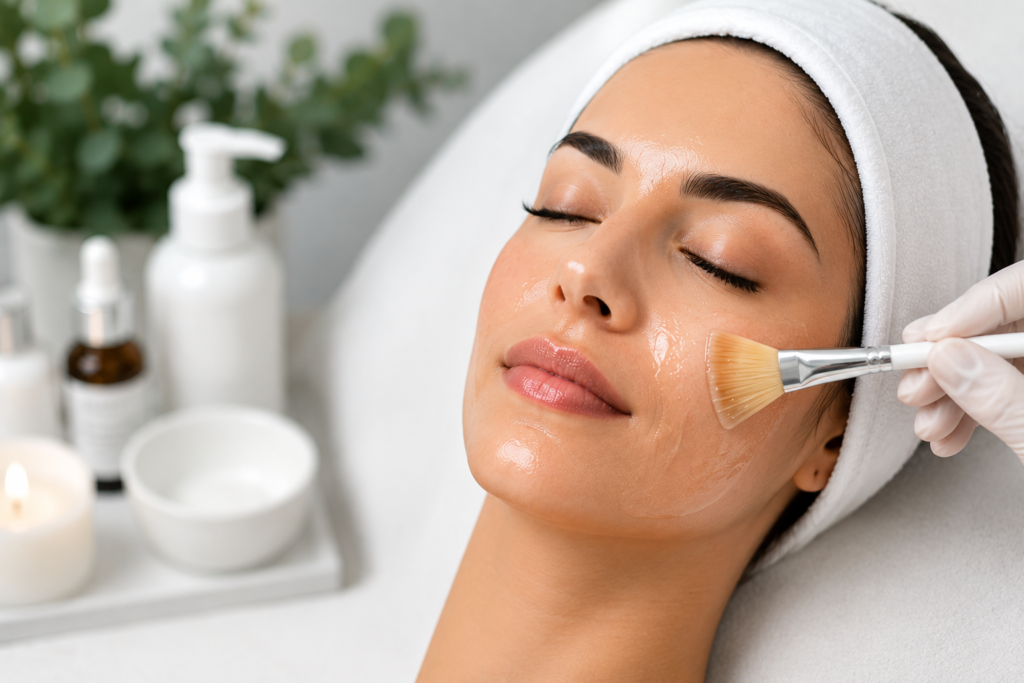
Appointments are pretty quick—usually 30 to 45 minutes—with no anesthesia or complicated prep.
Here’s how it really goes:
- First, you and your provider talk. They’ll ask what you want for your skin, check if you have any allergies, go over your medical history, and look at the skincare products you’re using.
- Next, they clean your face—makeup, sunscreen, oil, all of it’s gone.
- Then comes the peel. They brush on the solution, usually in layers. Most people feel a little tingling or warmth, but honestly, it’s pretty manageable.
- Before you leave, they’ll explain exactly how to care for your skin at home. You’ll leave the peel on for a few hours, then wash it off—just follow their timing and aftercare steps.
Do what they tell you. It really makes a difference.
How Long Does It Take to Peel?
People always want to know when the “snake-shedding” part starts and when it’ll be over. Here’s the usual timeline:
Days 1–2: Skin feels tight, maybe a little red or dry, but nothing dramatic yet.
Days 3–5: Here’s where the real peeling starts—often around your mouth, nose, cheeks, and chin, then spreading out. It looks a bit like sunburn flaking.
Days 6–7: Most of the peeling winds down. Your skin’s brighter, smoother, and softer, but could still feel a little dry for a few more days.
Collagen production keeps working, so don’t judge your final results immediately—your skin keeps improving for a couple weeks.
What Side Effects Should You Expect?
Short-term effects are part of the process and usually settle in about a week.
You might have:
- facial redness
- Tightness
- Dry skin
- Peeling and flaking
- Mild swelling or itching
- Higher sensitivity
Sticking to aftercare reduces these.
Possible Risks
Problems aren’t common, but things can go wrong if you don’t follow instructions or if your skin isn’t right for this treatment. Watch out for:
- Infection
- Allergic reaction
- Temporary discoloration (darker or lighter patches)
- Delayed healing or rare scarring
If you get severe swelling, blisters, oozing, or anything that feels wrong, call your provider right away.
How to Care For Your Skin Post-Peel
Aftercare is everything. The main rules:
Do:
-Use the skincare your provider recommends.
-Wear sunscreen (SPF 30 or above) every day—seriously, don’t skip this.
-Moisturize to prevent dryness.
-Drink plenty of water.
-Let your skin peel on its own.
Don’t:
-Pick or pull at flaking skin (hard, but necessary).
-Use scrubs or harsh exfoliants.
-Jump back into retinoids until cleared by your provider.
-Roast in direct sunlight or use tanning beds.
-Wax over treated areas until fully healed.
Good aftercare prevents irritation and helps you get the results you want.
Can You Work Out After a VI Peel?
Take it easy for 24 to 48 hours. Sweating and heat can irritate your skin and even trigger more inflammation. Light activity like walking is fine, but skip intense workouts till your provider gives the okay.
How Much Does a VI Peel Cost?
Prices vary depending on where you live, which provider you pick, and the peel formula. Still, most people in the U.S. pay between $250–$450 per session. Many clinics bundle sessions for a discount if you need several.
Heads up: Since it’s cosmetic, insurance won’t cover it.
VI Peel vs. TCA Peel—What’s the Difference?
They’re not the same thing. A VI Peel contains TCA, but also mixes in other acids and vitamins for a broader effect. Here’s how they stack up:
| Feature | VI Peel | Traditional TCA Peel |
|---|---|---|
| Ingredients | Multiple acids and vitamins | Mainly TCA |
| Recovery | Around 7 days | Varies and can be longer |
| Best for | Acne, pigmentation, and aging | Deep skin resurfacing |
| Skin tones | Suitable for most skin tones | Suitability depends on peel strength |
So if you want a multi-tasker that covers acne, dark spots, and aging, the VI Peel is probably the better bet.
Quick FAQ
Q. Does a VI Peel hurt?
Not really. Most people feel mild stinging or warmth for a few minutes, but it’s manageable.
Q. When will I start peeling?
Usually on days 2 or 3 after the peel.
Q. How long will I peel?
You’ll see visible peeling for 3–5 days, with everything wrapping up in about a week.
Q. How many treatments do I need?
It depends—one session helps, but for pronounced issues like acne scars or melasma, plan on 3–6 treatments.
Q. When can I wear makeup again?
Wait until most of the peeling stops. Your provider will tell you when it’s safe.
Q. Should I DIY this at home?
Don’t risk it. Professional peels are safer and much less likely to cause damage or scarring.
Final Thoughts
The VI Peel is one of the best peels out there for people wanting brighter, clearer, smoother skin with little downtime. It handles acne, acne marks, hyperpigmentation, sun damage, fine lines—you name it.
Keep in mind, it’s not a permanent fix. Maintenance treatments, good skincare, and daily sunscreen are your best friends if you want to keep those results.
The smartest move? Book a consultation with a dermatologist or certified skincare pro. That way you’ll know you’re in safe hands and get a plan tailored to your skin goals.
References
- VI Aesthetics – Official VI Peel Website
- American Academy of Dermatology – Chemical Peels Overview
- Cleveland Clinic – Chemical Peels
- Mayo Clinic – Chemical Peel
- American Society of Plastic Surgeons – Chemical Peel
Medical Disclaimer
This article shares information for educational purposes—it’s not medical advice, diagnosis, or treatment. If you have health questions or concerns, talk to a qualified healthcare professional. Don’t ignore or put off professional advice because of anything you read here.