
Inner thigh pain is actually pretty common. Whether it’s a nagging ache near your groin, a sharp sting when you sit down, or a burning feeling as you walk, most people have felt something like this at some point. Sometimes it’s just a mild soreness, but it can also hit hard—almost like someone’s stabbing your muscle.
Inside your inner thigh, you’ve got muscles, nerves, blood vessels, and ligaments all working together to keep you moving and balanced. You count on this part of your leg every time you walk, run, sit, or pick something up. It’s easy to overdo it or pull something without realizing.
If you’ve ever found yourself saying, “My inner thighs hurt when I walk,” or you notice pain running down your inner thigh, or pain flaring up when you climb stairs or cross your legs, you’re definitely not alone.
Where Does Inner Thigh Pain Start?
The upper inner thigh area is loaded with important parts. Injury or irritation in any of them can spark that nagging or sudden pain.
Some of the main players:
– The adductor muscles (the ones that pull your legs together)
– Several nerves
– Tendons and ligaments
– Blood vessels
– The hip joint and groin region
Pain can show up in different spots: high in your inner thigh, closer to your knee, or running along the inside of your leg from groin to knee. Sometimes pain actually starts in your hip and spreads to your inner thigh.
Common Symptoms of Inner Thigh Pain
Honestly, symptoms can vary a lot.
You might feel:
– Pain in your inner thigh while sitting
– A sudden sharp stab when you change positions
– Soreness or pinching higher up near the groin
– Shooting pain, burning, tightness, or even muscle spasms or cramps
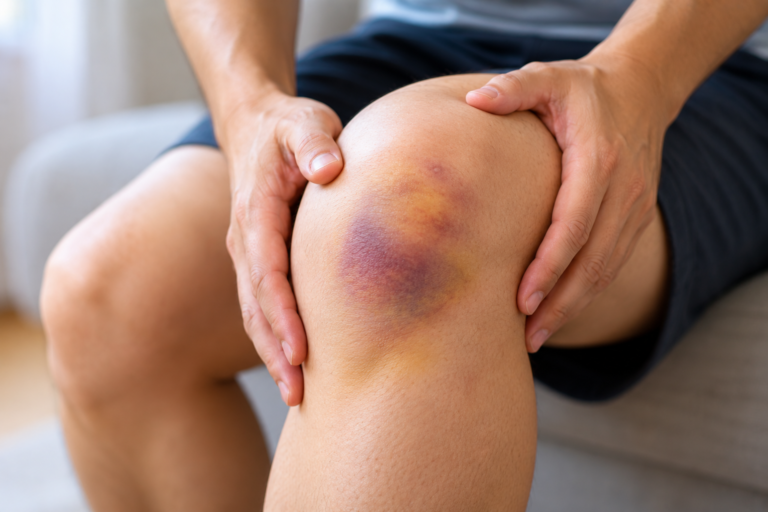
– Tender skin or swelling, especially by your knee
Other times, you might notice tingling or numbness, or pain that seems to start in your thigh and shoot down toward your ankle or even toes. Symptoms can creep in slowly or hit all at once.
1. Muscle Strain (The Usual Suspect)
Most of the time, inner thigh pain comes from a muscle strain. Your adductors (the muscles running along the inside of your thigh) help you balance and bring your legs together. Overstretch or work them too hard and—snap—you get tiny tears in the muscle fibers.
This leads to soreness, cramping, pain when you try to lift your leg or use stairs, and that miserable tightness after a tough workout.
Athletes get these all the time, especially with running, soccer, football, or sudden twisting movements. You’ll know it if you suddenly feel a sharp pain or a cramp deep inside your thigh.
2. Groin Injury
Another big reason for inner thigh pain is a groin injury. The groin is where your leg meets your belly, and when something goes wrong there, it’ll often hurt down the inner side of your thigh, too.
Common signs:
– Pain between your groin and thigh or spreading from your groin to your knee
– Sharp pain in the crease of your leg
– Feeling tired, tight, or weak when you walk
People who play sports with lots of twisting and turning—like soccer or hockey—tend to deal with this injury a lot.
3. Nerve Compression
Sometimes, pain in your inner thigh comes from nerves being compressed or pinched. This sets off burning, shooting pain, numbness, tingling, and sometimes pain that comes and goes along the inside of your leg.
A condition called meralgia paresthetica is a pretty common cause—basically, a nerve in your upper thigh gets squeezed.
4. Hip Joint Problems
If your hip isn’t moving right or has arthritis, you can end up with a deep, dull ache or pain that radiates into the inner thigh. Often, people notice more pain when walking or lifting their leg.
This problem crops up with arthritis, after injuries, or from just overusing your hip joint.
5. Blood Clots (Rare, but Serious)
If your inner thigh starts hurting, gets swollen, feels hot, and maybe looks red, think about blood clots—specifically, deep vein thrombosis (DVT). This isn’t super common, but when it happens, it’s urgent. You might also spot a tender bump.
If you notice sudden swelling and pain, especially with warmth or redness, get help fast.
6. Hernia
A hernia can cause pain between your legs, cramps in the groin, or sharp pain in the crease between your hip and thigh. It’s more common in men, but women can get hernias, too. You’ll notice pain especially when lifting things or feeling pressure in your lower belly.
7. Pregnancy-Related Inner Thigh Pain
Pregnancy changes everything. Hormones loosen up ligaments, and that can trigger pain in the inner thigh, the pelvis, or right in the groin, especially when you walk. The pain usually fades away after giving birth.
8. Overuse and Exercise
Did you push really hard during a run or squat session? Or maybe you jumped back into a tough workout after a long break? That’s a recipe for overuse. Your inner thigh muscles can get tight, sore, and develop “knots” or sensitive trigger points. It’s your body’s way of telling you to slow down and recover.
When To See a Doctor
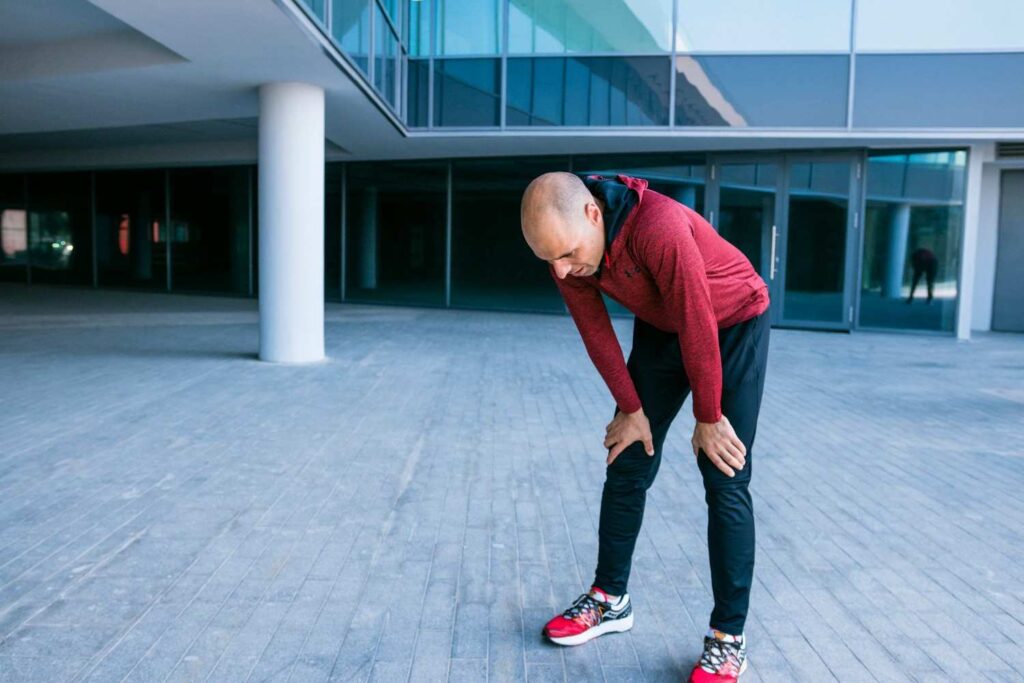
Usually, this type of pain settles down on its own in a couple of days. But if the pain is severe, constant, spreads, comes with swelling or redness, or you can’t walk—or if you get a fever with it—don’t wait around. Those signs mean it’s time for medical attention.
How to Relieve Inner Thigh Pain at Home
Here’s what helps for most basic cases:
1. Rest
Don’t power through! Give the sore area a break.
2. Ice therapy
A bag of ice for 15–20 minutes a few times a day works wonders.
3. Gentle stretching
Easy, slow stretches boost blood flow and keep things flexible.
4. Compression
An elastic bandage can help keep swelling down.
5. Pain relief medication
Ibuprofen or other over-the-counter painkillers can really help take the edge off.
Exercises That Help
As soon as the pain eases a bit, it’s a good idea to start some gentle exercises. These will help you get stronger and lower the chances of hurting yourself again. Go for basic inner thigh stretches, hip strengthening routines, or use a resistance band. Even just taking a short walk helps keep things loose.
Preventing Inner Thigh Pain
Don’t wait for pain to strike—take care of those thighs:
- Always warm up before you start moving
- Don’t skip stretching after activity
- Strengthen your upper legs and hips
- Avoid sudden twists or jerky movement
- Watch your weight and use good technique
Final Thoughts
Inner thigh pain feels alarming—especially if it shows up out of nowhere or keeps you from walking and moving comfortably. Most of the time, though, it’s just a strain, overuse, or a minor tweak, which gets better with a little rest and care.
But if the pain turns severe, brings swelling, or sticks around, get it checked out. Taking good care of your muscles and sticking to a healthy routine go a long way toward keeping inner thigh pain at bay.
Medical Disclaimer
This article shares information for educational purposes—it’s not medical advice, diagnosis, or treatment. If you have health questions or concerns, talk to a qualified healthcare professional. Don’t ignore or put off professional advice because of anything you read here.






[…] now. Don’t focus on forcing your knees down. The real aim is to get a gentle stretch through your inner thigh muscles and hips—no pain, just a bit of comfortable […]
[…] Don’t fold your chest to your knee or push into pain. Stop if you get tingling or shooting pain. If you experience other types of thigh discomfort, read our guide to inner thigh pain and its possible causes. […]