Smile lines — those creases that show up around your nose and mouth — are a completely natural part of how we express ourselves. They’re proof you’ve smiled, laughed, talked, lived. Still, over time, smile lines can get more noticeable, and you might start wondering how to make them less visible. The truth is, a bunch of things work together to make these lines show up: your genes, the way your face is shaped, aging, sun exposure, and changes in the volume of your skin.
If you’re hoping to soften those lines, you’ve got options. Sticking to a simple skincare routine, using sunscreen every day, and just taking care of yourself can keep those finer wrinkles at bay. If your lines are deeper, professional treatments might make more of a difference.
What Are Smile Lines?
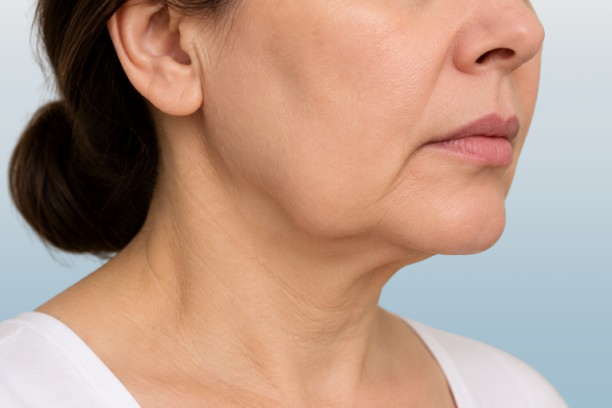
First, smile lines (also known as laugh lines) are the grooves or folds that come alive when you smile, laugh, or even just talk. The ones that stretch from the sides of your nose down to the corners of your mouth are called nasolabial folds.
Some people are born with these lines — it’s just how their faces are. Others notice them more as they get older. There are a few types:
– Nasolabial folds: those long lines from nose to mouth
– Dynamic smile lines: show up mostly when you’re smiling or making expressions
– Static smile line wrinkles: stick around even when your face is relaxed
– Perioral wrinkles: those little lines right around the lips, especially the upper lip
– Marionette lines: which run down from the corners of your mouth toward your chin
Figuring out which lines you have helps you know what kind of products or treatments might help.
What Causes Smile Lines?
Lots of stuff. Sometimes, it’s a combo.
1. Aging
As you get older, your skin loses some of its bounce and fullness. Collagen and elastin — those proteins that give your skin structure and snap-back — slowly fade. When that happens, folds and wrinkles start to show.
2. Facial Expressions
Smiling, laughing, talking — you’re folding your skin again and again. Eventually, those repeated creases stick around even when your face is calm. But honestly, smiling is part of being human. No one should give up expressions in hopes of perfect skin.
3. Sun Exposure
Too much sun speeds up skin aging. UV rays break down collagen and elastin, making lines more obvious. Using sunscreen every day can really slow this down.
4. Genetics and Facial Structure
Your genes have a say in how deep your smile lines are, and your facial shape matters too. Some folks have noticeable nasolabial folds even as teenagers. Losing cheek volume makes lines pop more.
5. Smoking and Dry Skin
Smoking ages your skin fast, and it’s closely linked to wrinkles around the mouth. Dry skin makes lines look harsher, but dryness alone doesn’t create deep folds. Keeping your skin moisturized and skipping cigarettes helps.
Smile Lines at a Young Age
You might see smile lines in your twenties or thirties. Genetics, sun exposure, or your natural bone structure could be the reason—not just aging. If you’re worried, start with the basics: a gentle cleanser, moisturizer, and a broad-spectrum sunscreen with at least SPF 30. You can also learn about other signs of facial aging in our guide to what jowls are and why they develop. Talk to a dermatologist if you’re curious about treatments like retinol.
How to Reduce Smile Lines Naturally
If you’re not keen on injections or cosmetic surgeries, there are habits that can help with fine lines. Just know, natural fixes won’t erase deep folds caused by bone structure or big volume loss.
1. Wear Sunscreen Every Day
It’s key for protecting the proteins that keep your skin looking firm. Use SPF 30 or higher, and don’t skip the areas around your mouth. Reapply regularly, especially if you’re outside or sweating.
2. Keep Skin Moisturized
Keeping your skin moisturized is huge. A good moisturizer softens those little lines and tackles dryness. Look for stuff like hyaluronic acid, glycerin, or ceramides—they lock in moisture and protect your skin’s barrier.
3. Eat Right
What you eat matters, too. A balanced diet gives your skin what it needs—especially vitamin C, which helps with collagen. Go for plenty of fruits and veggies, add in some lean proteins, nuts, and whole grains. Don’t chase miracle foods or supplements. Just stick to solid nutrition.
4. Sleep Well and Don’t Smoke
Sleep makes a difference. Getting enough rest keeps your skin looking healthy, and honestly, not smoking is one of the best ways to prevent early wrinkles. These habits aren’t a cure-all, but they absolutely help.
5. Go Easy on Natural Remedies
Things like aloe or honey moisturize, but let’s be real — there’s not much proof they erase wrinkles. Avoid lemon juice or baking soda; they can irritate your skin. Stick to gentle products and reliable sun protection.
Best Cream for Smile Lines
Finding the right cream for smile lines really depends on what’s causing them. If the lines are from dryness, you’ll need something with hyaluronic acid or ceramides. If they’re a bit deeper, retinol can help smooth things out.
Can Retinol Help Smile Lines?
Retinol (a vitamin A derivative) can soften fine wrinkles and smooth skin texture when you use it regularly. Start low and slow, like just a couple nights a week. If your skin handles it, ramp up gradually. Pair with moisturizer and never skimp on sunscreen. Retinol might cause irritation, redness, or peeling. And don’t use retinoids if you’re pregnant unless your doctor says it’s OK.
Retinol is good for fine lines, but don’t expect miracles for deeper folds — it won’t erase them.
Professional Smile Lines Treatments
If skincare isn’t cutting it, you can look to pro treatments — what works best depends on your lines, skin, and what you actually want.
1. Dermal Fillers
These are injections that plump up folds and restore lost volume. Hyaluronic acid fillers are popular for nasolabial folds. You usually see results pretty fast, but swelling can muddy the picture at first. Fillers aren’t forever and they come with risks: bruising, lumps, and in rare cases, tissue damage or vision problems. Go to someone who knows facial anatomy well.
2. Botox
Botox relaxes certain muscles, which helps with expression-related lines. But it’s not usually the best fix for deep nasolabial folds, since those are more about structure and volume than muscle. Around the mouth, botox needs careful handling so you don’t mess up your smile or speech.
3. Microneedling
This treatment creates tiny injuries to stimulate healing and collagen. It can smooth out fine wrinkles and improve texture, but usually requires multiple sessions. Deep folds aren’t likely to budge, and there’s a risk of irritation or infection.
4. Laser Treatments
Lasers can improve skin texture and reduce some sun damage and fine wrinkles. Some treatments require minimal recovery time, while others involve a longer recovery period. You can learn more about Laser Genesis, a treatment used to improve the skin’s appearance. However, laser treatments cannot restore lost facial volume.
5. Facelift
When you’ve got major sagging or deep folds, a facelift can change facial contours by moving or tightening tissue. But it doesn’t promise to wipe out nasolabial folds — plus, there’s downtime and risks like scarring, bleeding, or nerve injury. Make sure you’re seeing a qualified surgeon.
How to Build a Routine to Reduce Smile Lines
If you don’t want procedures, stick to a solid skincare routine.
Morning:
1. Gentle cleansing
2. Vitamin C serum (if your skin’s OK with it)
3. Moisturizer
4. Sunscreen, at least SPF 30
Night:
1. Remove makeup/sunscreen
2. Cleanse again
3. Retinol (on nights when your skin can handle it)
4. Moisturizer
Go slow with new products so you don’t irritate your skin. No need for fancy routines or tons of products. For deep folds, a dermatologist can tell you if pro treatments are worth a try.
How to Keep Smile Lines From Getting Worse
You can’t totally prevent smile lines — genes, expressions, and aging are just part of life. But some habits really help:
- Sunscreen, every single day
- Consistent moisturizing
- Don’t smoke
- Eat well
- Get good sleep
- Skip harsh scrubs or irritating products
- Try retinol if it’s a fit for your skin
Be wary of products that promise wrinkle-erasing overnight; real change takes time.
Do Smile Lines Ever Go Away?
Smile lines can fade a bit, but it depends. Temporary creases often relax when your face does. Moisturizer helps with lines from dryness, and retinol can soften some wrinkles with time.
Deep folds, though, tend to stick around — they just reflect your face’s structure and age. Fillers or treatments can help, but nothing’s permanent.
FAQs
Q. What’s the best treatment for deep smile lines?
Fillers usually help when volume loss is the issue. Other options depend on your facial structure and skin quality, so see a pro for advice.
Q. Can you reduce laugh lines naturally?
Sure, you can smooth them a bit with healthy habits, sun protection, and the right skincare. For deep folds, though, natural fixes only go so far.
Q. Does drinking water help?
Staying hydrated is good, but guzzling water won’t erase established lines. Moisturizer gives faster results for dryness.
Q. Botox or filler — which is better?
It depends. Fillers soften folds caused by volume loss; botox targets muscle movement. Your clinician will know what’s best for your cause.
Q. Can smile lines be permanently removed?
Nope, nothing’s permanent. Skincare works as long as you stick with it, fillers fade over time, and even surgery can’t stop aging.
Final Thoughts
Smile lines are proof you’ve lived, smiled, laughed. You can’t stop them from ever forming, but you can protect your skin and soften their look. Start with sunscreen and moisturizer, keep your routine simple, maybe add retinol for fine lines if your skin likes it. For deeper folds, check in with a pro.
Don’t aim to erase every crease. The real win is healthy skin that still lets your personality shine.
References
Medical Disclaimer
This article shares information for educational purposes—it’s not medical advice, diagnosis, or treatment. If you have health questions or concerns, talk to a qualified healthcare professional. Don’t ignore or put off professional advice because of anything you read here.