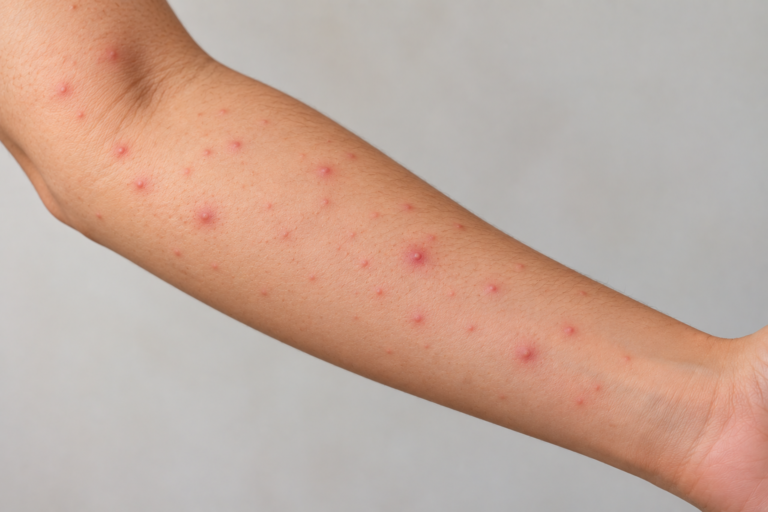
Mosaic warts are groups of small warts that usually pop up on the soles of your feet. They don’t look like one single bump—think of them more as a rough patch, with lots of little, hard lumps crowded together. Sometimes they’re flat, sometimes they’re raised, but either way, they can make walking or standing pretty uncomfortable. And while a single plantar wart tends to stay small and isolated, a mosaic wart often takes over a larger area, which can make them tougher to treat.
These warts come from certain types of the human papillomavirus, or HPV. Most of the time, they’re not dangerous, but they spread easily to nearby skin, and can stick around for months before finally fading away.
If you’ve noticed a tough patch on your heel, the ball of your foot, or under your toes, it helps to know what you’re actually looking at. This guide breaks down what mosaic warts really look like, how they spread, which treatments are worth a shot, and when it’s time to check in with a doctor.
What Are Mosaic Warts?
Mosaic warts are just clusters of plantar warts hanging out together, forming a bigger patch. The skin over these warts tends to feel rough and thick, and you’ll usually see lots of little growths packed tightly together. The term “mosaic” comes from the way they look—think a mosaic tile pattern or even a honeycomb.
You’ll usually find mosaic warts on spots that take a lot of pressure, like the heel or ball of your foot. Because you’re always pressing down on them, the thick skin can actually get pushed inward, which adds to the discomfort.
On their own, mosaic warts aren’t dangerous, but they are known to be stubborn. Little warts can crowd together, and they generally take longer to get rid of than a single wart does.
What Causes Mosaic Warts on the Foot?
These warts show up when HPV makes its way into the top layer of your skin, often through tiny cuts, scratches, or even cracks that you can’t always see. The virus spreads when you touch infected skin or walk barefoot over shared, damp surfaces—like in gym showers or pool locker rooms.
You’re more likely to get mosaic warts if you have:
– Small cuts or damaged skin on your feet
– Tight or uncomfortable shoes that cause friction
– Damp skin that gets softer and easier to break
– Direct contact with someone else’s wart
– A weaker immune system
Not everyone who comes into contact with HPV gets a wart. Sometimes, weeks or months can go by before one appears, so it’s hard to know exactly how you picked it up.
Which HPV Types Cause Mosaic Warts?
Most plantar warts come from HPV types 1, 2, 4, 27, and 57. People sometimes hear about “HPV type 2 verruca mosaic” or “HPV type 4 verruca mosaic”—these just describe which HPV type is causing the outbreak. But honestly, you can’t really tell the type just by looking at the wart. Doctors usually diagnose them from appearance alone and rarely need to do any special typing.
Symptoms of Mosaic Warts
The symptoms really depend on exactly where the warts are and how thick the skin is around them. Common signs include:
- Clusters of small, rough bumps
- Thickened skin on the sole of the foot
- Tiny black or red dots “inside” the wart (these are just blood vessels, not seeds)
- Disrupted skin lines
- Soreness or tenderness when you walk or stand
- A patch that slowly gets bigger
Trying to dig out these black dots isn’t a good idea—you’ll only end up causing yourself pain, and maybe an infection.
Some folks can live with these warts and barely notice them, but if you’re putting pressure on the area, it often hurts.
Where Can Mosaic Warts Develop?
1) Mosaic Wart on the Foot
Most often, mosaic warts show up on the heel, the ball of your foot, or right under your toes. Since those areas take lots of pressure every step, it can feel like you’re walking on a rock. They can start small, as a few spots, but over time, they often merge into one larger patch. And because of all the thick skin on your feet, you might mistake one for a callus at first.
2) Wart on Top of the Big Toe
If you see a wart on the top of your big toe, don’t assume it’s a mosaic wart—plantar warts stick to the bottom of your foot. A lump on top might be a common wart or something else entirely. If it grows quickly or bleeds, or just rubs painfully against your shoes, get it checked out.
3) Plantar Wart Near a Scar
When a wart pops up in or near a scar, it can be hard to tell what’s going on, since the texture and color is different. Don’t just treat it at home—see a doctor first.
4) Large Wart on the Foot
A big wart could be a single, large plantar wart, or a whole bunch of small ones that have blended together. But just because something is large doesn’t mean it’s a wart. If you see something that’s growing fast, bleeding, or just won’t heal, let a doctor take a look. Not every lump on the foot is a wart. If you’ve noticed a lump on the side of your foot, read our guide on how to prevent and treat a lump on the side of the foot to learn about other possible causes.
Are Mosaic Warts Contagious?
They are. Because HPV spreads through direct contact or contaminated surfaces, mosaic warts can pass from person to person—or even from one area of your own foot to another. But not everyone who gets exposed will develop a wart. It depends a lot on the condition of your skin and whether there are any cracks or cuts.
To limit the spread:
– Wear flip-flops in public showers or pool areas
– Don’t share socks, shoes, nail clippers, or foot files
– Keep your feet clean and dry
– Cover warts with a bandage if possible
– Always wash your hands if you touch a wart
– Never pick, cut, or scratch at them
Scratching makes it easier for the virus to move to nearby skin and might also lead to bleeding or infection. If they itch, ask a doctor for treatment instead of scratching.
Mosaic Warts vs. Calluses and Corns
It’s easy to confuse mosaic warts with calluses and corns—they all can cause thick, hard skin. But they’re not the same thing. Here’s how you can tell the difference at a glance:
| Feature | Mosaic Warts | Calluses and Corns |
|---|---|---|
| Cause | HPV infection | Repeated rubbing or pressure |
| Appearance | Clusters of rough bumps | Single, thickened patch |
| Dark Dots | Often present | Rare, usually absent |
| Skin Lines | Often disrupted | Usually follow natural lines |
| Treatment | Wart-specific treatments | Padding, proper shoes, and foot care |
These clues help, but they aren’t foolproof. If you’re still unsure, see a doctor before trying any wart-removal products.
How to Get Rid of Mosaic Wart
So, what’s the best way to get rid of these things? Honestly, it depends on how stubborn they are, how big the patch is, and where it’s located. Some just go away on their own, but that can take ages. For tougher or painful warts, treatment helps—though nothing’s ever 100%.
1. Salicylic Acid
This ingredient shows up in a bunch of over-the-counter wart products. It slowly eats away at the thick skin, so you have to stick with it—sometimes for weeks. Often you’ll soak your foot, dry it, and then apply the product. If you have diabetes, poor circulation, or nerve issues, talk to a doctor before using these, and never put salicylic acid on broken or very irritated skin.
2. Cryotherapy
This method freezes the wart with liquid nitrogen. A healthcare professional does it, and you might need several treatments to really make an impact, especially with large clusters. The spot will get sore, and sometimes it blisters, but it can help. Still, mosaic warts can be tough to clear completely with freezing.
3. Skin Trimming by a Professional
Podiatrists or dermatologists sometimes trim away dead skin on top of a wart, making it easier for creams or other treatments to sink in. Trimming won’t remove the virus itself, though, so it’s not a cure. Never try this at home with sharp objects—you could make things worse.
4. Prescription and Specialist Treatments
For warts that just won’t quit, doctors may prescribe stronger medicines or try more advanced techniques—sometimes immune therapy, medicated creams, or even laser treatment. Each comes with its own risks and price tag, and not all work for everyone. Surgery is a last resort because scars on the sole can be just as uncomfortable.
How Do You Treat a Mosaic Plantar Wart?
To really treat a mosaic wart, start by making sure that’s what it is. Sometimes doctors need to look closely to rule out other skin conditions. If you have a small wart and you’re healthy, salicylic acid is usually the first home option. If it’s bigger or painful, or you don’t see results after a while, check with a specialist.
The typical plan:
- Get a proper diagnosis.
- Choose the best treatment—start with salicylic acid, try freezing, or look into prescription treatments if others don’t work.
- Stick with the plan, and ask for help if things get worse or just don’t improve.
Be patient. Pushing too hard and damaging healthy skin just gives you a bigger problem. If in doubt, see a doctor.
What Are Multiple Verrucas?
“Verruca” is just the British term for a plantar wart, so “multiple verrucas” means someone has several of them. “Plantar warts” and “verrucae plantaris” all mean more or less the same thing—HPV-induced warts on your soles. Sometimes these warts stay separate, and sometimes they merge into those bigger mosaic patches. When both feet have a mess of these, you’ll sometimes see “bilateral” in the medical charts.
Multiple warts don’t usually mean something dangerous, but if you have a lot, they’re painful, or they keep coming back, you should check with your doctor.
What Is a Verruca on the Foot?
If you’ve been Googling “what is a verruca on the foot,” the answer is simple: it’s just a plantar wart caused by HPV, usually on the sole. “Verruca” is the singular, and “verrucas” or “verrucae” are plurals.
These often look rough, flat, or thick, and the pressure from walking pushes them deeper into the skin, so they’re easy to mistake for calluses or corns. Small dark dots can sometimes show up, and they might be sore when you step on them. Again, if you’re not sure what you’re dealing with, ask a professional.
How Long Do Mosaic Warts Take to Disappear?
No one really knows how long it’ll take for a mosaic wart to go away. Some clear up on their own, but others hang around for months, even years. It depends on how big the cluster is, how your immune system reacts, and what treatments you’ve tried. Even after removing what you can see, HPV sometimes sticks around in the skin and can cause a new wart later.
Want to lower your risk of a repeat? Stick to your treatment plan, don’t scratch or pick, wear shoes in shared wet areas, and don’t share foot-care tools.
When Should You See a Doctor?
If your wart is really painful, keeps getting bigger, interferes with walking, or just won’t respond to treatment, call a podiatrist or dermatologist. Definitely see someone if it:
- Starts bleeding for no clear reason
- Changes quickly in size, shape, or color
- Gets red, swollen, warm, or starts to ooze
- Turns into an open sore that won’t heal
- Doesn’t get better after a solid attempt at treatment
And if you have diabetes, poor blood flow, trouble feeling your feet, or a weakened immune system, always touch base with a healthcare pro before you try any DIY wart fixes.
Frequently Asked Questions
Q. Are mosaic warts dangerous?
Usually not. They’re mostly just annoying, but if a growth changes fast, keeps bleeding, or won’t heal, get it checked out.
Q. Can mosaic warts go away without treatment?
Yes, sometimes they do, but don’t count on it—it can take a long time. Others stick around and need extra help to clear up.
Q. Can I walk with mosaic warts?
Most people can walk, but sometimes the wart puts extra pressure on the nerves, which hurts. Good shoes and a little extra padding can help.
Q. What are the best plantar wart treatments?
Most folks start with salicylic acid if they can use it safely, but cryotherapy and other specialist treatments might work better for tough cases. The right method depends on you.
Final Thoughts
Mosaic warts are really just clusters of stubborn plantar warts caused by HPV. They love to grow on the soles of your feet, can hang around for a while, and sometimes make every step uncomfortable. There are ways to treat them, though—it just sometimes takes patience and persistence.
Don’t pick, cut, or dig at them, and try to stop the spread by wearing shoes in public areas and keeping your foot care tools to yourself. If your wart is big, painful, or not budging after treatment, go talk to a professional.
Most people find a good treatment option with a bit of guidance and end up walking comfortably again.
References
- American Academy of Dermatology Association.
Warts: Symptoms and Signs - American Academy of Dermatology Association.
Warts: Diagnosis and Treatment - National Health Service (NHS).
Warts and Verrucas
Medical Disclaimer
This article shares information for educational purposes—it’s not medical advice, diagnosis, or treatment. If you have health questions or concerns, talk to a qualified healthcare professional. Don’t ignore or put off professional advice because of anything you read here.