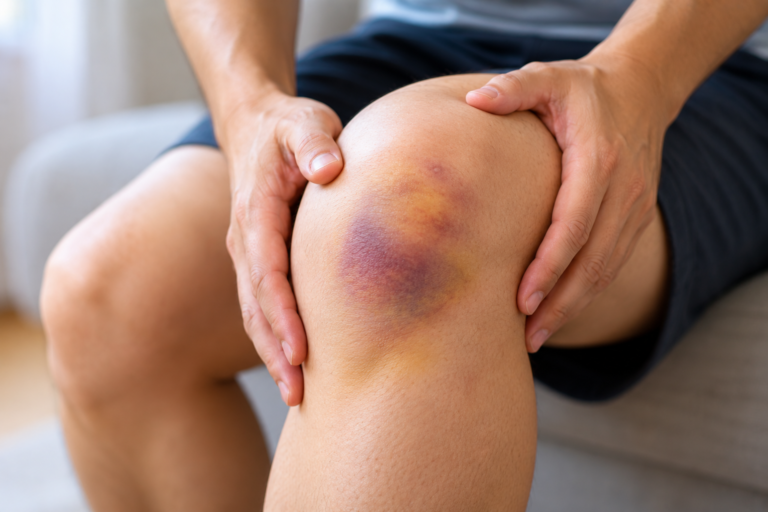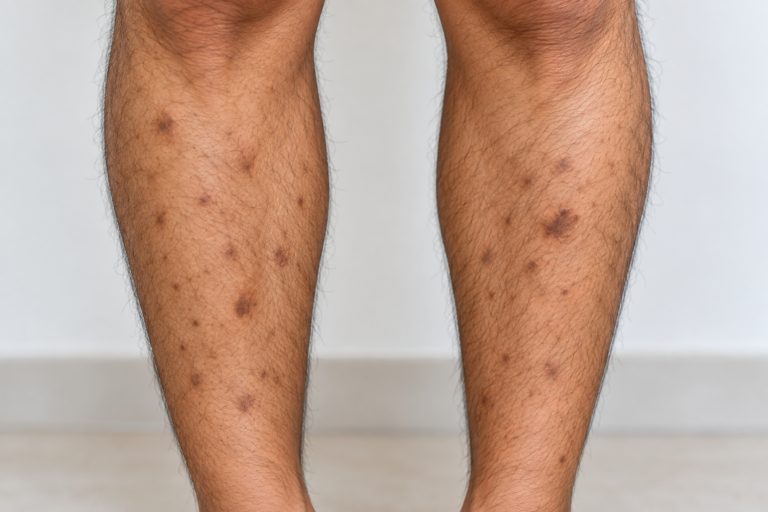
Maybe they’re tiny red dots on the bottom, or you’ve got red bumps that itch, or red splotches on top that don’t bother you at all. It’s pretty normal to worry—your feet are hard to ignore, and changes like this can be unsettling.
First, let’s get this out there: Most red spots on feet aren’t dangerous. You’re usually dealing with something like irritation, allergies, a mild fungal infection, bug bites, shoes rubbing the wrong way, or dry skin. Sometimes, though, those spots mean a trip to your doctor is the smart move.
What Are Red Spots on Feet?
Red spots happen when the skin gets inflamed or tiny blood vessels open up more than usual. They might look like:
– Small red dots or bumps
– Flat patches
– Raised itchy spots
– Blotches
– Spots on toes, soles, or the top of the foot
Sometimes they itch. Sometimes they hurt. Other times you don’t feel anything at all. How they look gives your doctor clues about why they’re there.
Other Symptoms You Might Notice
You might only see red dots, or you could also have:
– Itching or burning
– Dry, peeling, or cracked skin
– Swelling
– Warmth
– Blisters
– Pain or soreness when you walk
– Thickened skin
– Fluid-filled bumps
Some folks just get the dots. Others deal with itching so bad they can hardly wear shoes.
Symptom Comparison Table
| Symptom | Possible Cause | Serious? |
|---|---|---|
| Itchy red bumps | Allergies, eczema, insect bites | Usually No |
| Red spots on bottom | Friction, fungus, eczema | Usually No |
| Red dots on top | Dermatitis, pressure | Usually No |
| Painful red spots | Infection, blisters, splinters | Sometimes |
| Red blotches | Allergies, poor circulation | Sometimes |
| Tiny red dots | Broken capillaries, petechiae | Possibly |
| Red spots on toes | Chilblains, fungi, irritation | Sometimes |
| Red foot rash | Dermatitis, athlete’s foot | Usually No |
What Causes Red Spots on Feet?
Let’s run through what’s behind these spots most of the time.
1. Athlete’s Foot (Fungal Infection)
If your feet itch and you see red spots or a rash, especially between your toes, athlete’s foot is a common culprit. Fungus thrives in warm, sweaty shoes. Look for peeling or cracks, too. It can spread if you don’t treat it.
2. Contact Dermatitis
Basically, your feet meet something they don’t like—maybe a new soap, shoes, detergent, or lotion. You’ll see red patches or bumps, usually with itching or maybe even swelling. Remove the trigger and things usually get better.
3. Eczema
Eczema isn’t just a hand or face thing—it shows up on feet, too. Dry skin, cracked heels, itchy red spots, or thickened patches are all signs. Stress, weather, or products can set it off.
4. Insect Bites
Mosquitoes, fleas, and even spiders can leave you with red, swollen bumps that itch like crazy. Sometimes there’s a tiny dot right in the center. Most bites fade away after a few days, no big deal.
5. Shoe Friction
Tight shoes, high heels, or just lots of walking can rub your skin raw—think red spots, blisters, pain. Switch up your shoes, and your feet will thank you.
6. Heat Rash
When feet get sweaty and hot, sweat glands can clog up. You’ll see tiny red bumps or dots, maybe an itchy or prickly feeling. Cooling off usually helps fast.
7. Allergic Reactions
All sorts of things can trigger allergies—medications, certain foods, plants, or chemicals. You might see red patches, hives, or swelling. If your face swells up or it gets hard to breathe, don’t wait—get medical help right away.
8. Psoriasis
Psoriasis makes your skin cells multiply way faster than normal. You end up with thick, red patches covered in silvery scales. It’s not contagious, but it can split open and really hurt.
9. Poor Circulation
If blood flow isn’t great (think older adults, diabetes, vascular issues), you might see red or dark spots, swelling, cold feet, and slow-to-heal skin.
10. Petechiae
These tiny red or purple dots don’t fade when you press on them. Causes can be infections, certain medications, blood disorders, injury, or even coughing a lot. Petechiae showing up with fever or illness is a reason to see a doctor fast.
11. Diabetes
Those with diabetes need to watch their feet. Red spots, slow healing, infections, fungus, or even ulcers can pop up. If you’re also dealing with swelling, check out our guide on diabetes swollen feet to learn about its causes, warning signs, and treatment options. Daily foot checks make a big difference. Daily checks make a big difference.
12. Cellulitis
A sudden, spreading red area with warmth, swelling, pain, and maybe fever means infection—see a doctor immediately. You usually need antibiotics.
Where Do These Spots Show Up?
– Bottom of the foot: Usually from rubbing, fungus, eczema, pressure, or blisters.
– Top of the foot: Think allergies, tight shoes, dermatitis, or even sunburn.
– Toes: Sometimes it’s the cold, fungus, insect bites, friction, or psoriasis causing the trouble.

Do Red Spots Always Itch?
Nope. Sometimes there’s no itch or pain. Other times, the itch or burn can drive you up the wall. It depends on what’s going on underneath.
Call your doctor if:
- The spots are spreading quickly
- You get a fever
- Your foot gets really swollen or starts oozing pus
- It hurts to walk
- You have diabetes
- The spots don’t improve after two weeks
- They turn purple or black
- Your foot feels numb
These problems can mean you’ve got an infection or blood flow trouble. Don’t wait—get it checked out.
How Do Doctors Figure Out the Cause?
They start with a look and some questions:
– When did it start?
– Does it itch?
– Changed anything lately (shoes, soap)?
– Any recent illnesses or allergies?
Sometimes they’ll test skin scrapings, do blood tests, allergy checks, a skin biopsy, or culture any drainage. A lot of the time, they know the answer just from your history and a quick peek.
What Helps at Home?
Mild symptoms? Here’s what you can do:
– Wash feet gently with mild soap; dry well (especially between toes).
– Pick breathable shoes; change to dry socks (cotton works great).
– Silky, fragrance-free moisturizer keeps dry or eczema-prone feet happy.
– Don’t scratch—seriously, you just up the odds for an infection.
– A cool cloth can ease itch or burning.
– Drugstore fixes: Antifungal cream, hydrocortisone, antihistamines, or moisturizers (just read the labels).
How to Prevent Red Spots
Take care of your feet and avoid most headaches:
- Wear shoes that fit
- Change socks daily
- Keep feet dry
- Don’t share towels
- Wear sandals in public showers
- Moisturize if your skin’s dry
- Trim toenails properly
- If you’ve got diabetes, check your feet every day
Tiny habits really pay off.
Does Stress Cause Red Spots?
Not directly—but it can stir up conditions like eczema, psoriasis, or hives. Manage stress and you might see fewer flare-ups.
FAQs
Q. Why do I have red dots on my feet?
Usually athlete’s foot, allergies, eczema, friction, bug bites, or heat rash. Sometimes, changes in blood vessels or circulation.
Q. Are red spots on feet serious?
Most aren’t, but if they spread fast, hurt, come with a fever, or won’t fade when pressed—get checked out.
Q. Does athlete’s foot cause red spots?
All the time. Look for itch, peeling, cracks between toes.
Q. Why are there red spots on the bottom of my foot?
Pressure, friction, eczema, fungus, blisters, or dermatitis.
Q. Can diabetes cause red spots?
Yes. It raises risk for infections, poor healing, funky skin changes, or ulcers.
Q. Should I pop red bumps?
No. That just invites infection and slows things down.
The Bottom Line
Red spots on your feet aren’t fun to spot, but most have simple causes like irritation, fungus, eczema, or bugs. Notice where the spots are, whether they itch, hurt, or stick around. If they spread quickly, hurt, or come with fever or swelling, don’t mess around—get medical help. Take care of your feet, keep them clean and dry, and you’ll avoid most of these problems before they start.
References
Medical Disclaimer
This article shares information for educational purposes—it’s not medical advice, diagnosis, or treatment. If you have health questions or concerns, talk to a qualified healthcare professional. Don’t ignore or put off professional advice because of anything you read here.