
Hearing that your EKG is “abnormal” can throw you for a loop. Suddenly, you’re thinking about all the worst possibilities. Is this a heart attack? Is there something really wrong with your heartbeat? Should you panic?
Honestly, an abnormal EKG doesn’t always spell trouble. A lot of people get these results and later find out the cause is something minor—or nothing at all.
An EKG, or electrocardiogram, is one of the basic heart tests you’ll find at just about any hospital or clinic. It records the heart’s electrical activity—the signals that choreograph every beat. If the pattern looks off from the standard, you might see words like “abnormal EKG,” “abnormal ECG,” or “abnormal electrocardiogram” in your report.
Let’s break down what those results actually mean—what might cause them, what symptoms to look for, when to get help, and what happens next. We’ll also clear up the whole “normal vs abnormal EKG” thing, and run through a handful of common questions people have when they get this news.
What Is an EKG?
An EKG (or ECG—it’s the same thing) is quick, painless, and pretty straightforward. Electrodes on your chest, arms, and legs pick up the tiny electrical signals that coordinate your heartbeat.
Doctors use the results to check on your:
– Heart rate
– Rhythm
– The way electrical signals travel
– Any signs of heart damage
– Evidence of old heart attacks
– Certain heart conditions
The test itself only takes a few minutes. You’ll find them in hospitals, clinics, ERs, and doctor’s offices everywhere.
What Does an Abnormal EKG Mean?
So what does “abnormal EKG” mean? Basically, your heart’s electrical activity looks different from what’s considered standard. That’s all. It doesn’t automatically mean you have heart disease.
Some reasons are totally ordinary or temporary:
– Anxiety or stress
– Not getting enough sleep
– Dehydration
– Caffeine overload
– Certain medications
Of course, sometimes an abnormal EKG uncovers a heart issue that needs more attention. Doctors don’t just look at the EKG in isolation. They pay attention to your symptoms, your medical history, and other tests before making any big decisions. No one jumps to conclusions based on just one weird result.
Normal vs Abnormal EKG
Here’s a quick breakdown:
A normal EKG? That means your heart’s beating at a steady pace, the rate looks good, and the electrical signals are flowing smoothly. The patterns show up just as they should.
An abnormal EKG, though, can mean a bunch of things—maybe your heart’s racing or dragging, the rhythm gets shaky, or signals are delayed. Sometimes it points to heart muscle damage or just weird-looking waves.
Honestly, lots of people have harmless EKG quirks. An abnormal result doesn’t always mean trouble.
Common Causes of Abnormal EKG
Why might your EKG look off? There are lots of possible reasons, some more familiar than others.
1) Arrhythmias (Irregular Heart Rhythms)
Arrhythmias are a common reason for an “irregular EKG.” Your heart beats:
– Too fast (tachycardia)
– Too slow (bradycardia)
– Out of rhythm
Examples include atrial fibrillation, atrial flutter, premature heartbeats—these usually show up clearly on the tracing.
2) Coronary Artery Disease
Blocked or narrowed arteries reduce blood flow. When the heart isn’t getting enough oxygen, you’ll often see electrical changes on an EKG.
3) Previous Heart Attack
An old heart attack leaves scar tissue. Sometimes, your EKG can reveal damage from a heart attack that happened years ago—even if you didn’t realize it at the time.
4) Heart Enlargement
Conditions like high blood pressure can make your heart muscle grow. An enlarged heart changes the electrical patterns, which shows up as abnormal signals.
5) Electrolyte Imbalances
Your heart needs potassium, magnesium, calcium, and sodium to keep its rhythm. If those levels are off, your EKG will tell on you.
6) Medications
Certain meds mess with heart rhythm or the way your heart’s electrical system works. This includes some antibiotics, anti-arrhythmic drugs, certain antidepressants, even stimulants.
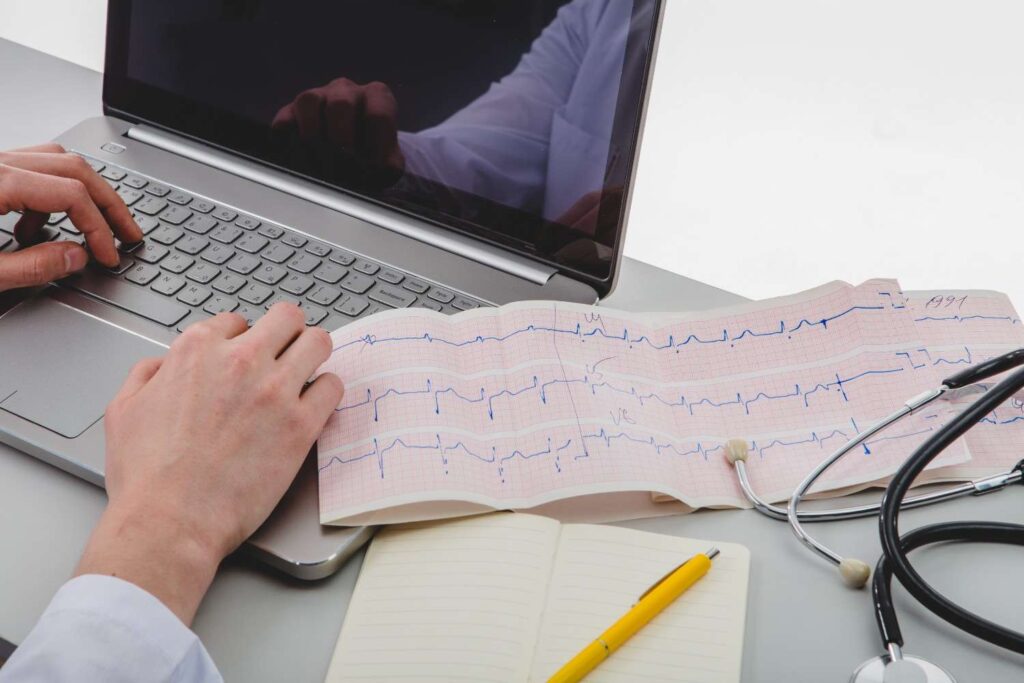
Abnormal Heart Rhythm EKG Findings
What do you see with an abnormal heart rhythm? Here’s what tends to pop up:
– Atrial fibrillation: Upper chambers beating out of sync, often too fast
– Bradycardia: Heart runs slow
– Tachycardia: Heart runs fast
– Premature beats: An “extra” beat shows up before it should
Some of these are harmless; others need treatment—depends on what’s causing the trouble.
Abnormal Sinus Rhythm on EKG
If your report mentions “abnormal sinus rhythm,” it’s talking about the heart’s natural pacemaker. This could mean sinus tachycardia (fast), sinus bradycardia (slow), or sinus arrhythmia (irregular—but sometimes totally fine, especially in younger folks or athletes). Still, sometimes more check-ups are needed.
Chest Pain and Abnormal EKG
Chest pain plus abnormal EKG? This combo gets doctors’ attention.
Serious possibilities include:
– Angina (chest pain from blocked arteries)
– Coronary artery disease
– Heart attack
– Pericarditis (inflammation of the heart lining)
– Myocarditis (heart muscle inflammation)
But plenty of non-heart causes exist: acid reflux, strained chest muscles, even a panic attack. That’s why doctors use EKGs, bloodwork, and scans to piece together the real story.
Dizziness and Abnormal EKG
Feeling dizzy and getting an abnormal EKG? Sometimes, an off-beat rhythm means your brain isn’t getting enough blood.
Causes include:
– Bradycardia
– Tachycardia
– Atrial fibrillation
– Heart block
If you’re passing out or feeling close to it, don’t wait—get checked out right away.
Can Anxiety Cause Abnormal EKG Results?
People ask this a lot, and the answer is yes—anxiety absolutely can mess with your EKG. Stress can mess with your heart. In some people, anxiety may also trigger symptoms such as chest tightness, palpitations, and anxiety chest pain . When those hormones kick in, your heartbeat speeds up and the rhythm might go a little wild. That’s why stressed-out folks sometimes see changes on their EKG—but those usually don’t stick around. Still, it’s important for your doctor to rule out other heart conditions before blaming it all on anxiety.
Understanding Abnormal ECG Findings
An “abnormal ECG” can mean all sorts of things. Doctors look for:
– Heart rate (fast or slow)
– Rhythm (steady or not)
– How well signals travel through your heart
– Any weird wave shapes (which can hint at damage or other problems)
How Doctors Figure Out What’s Causing Your Abnormal EKG
If your EKG is suspicious, you’re probably getting more tests. The usual suspects:
– Echocardiogram (heart ultrasound)
– Holter monitor (portable EKG over 1–2 days)
– Stress test (your heart’s response to exercise)
– Blood tests (to check electrolytes, thyroid, or look for heart damage)
– Cardiac imaging, if the doctor suspects structural heart disease
How Abnormal EKGs Are Treated
Treatment depends on the cause. Here’s what doctors might suggest:
1) Lifestyle Tweaks
– Exercise more
– Ditch smoking
– Eat better
– Calm your stress
– Go easy on the caffeine
2) Medications
Sometimes you need meds to control your heart’s rhythm, lower your blood pressure, or prevent blood clots.
3) Procedures
In certain cases, you might need a pacemaker, catheter ablation, or a procedure to open blocked arteries.
When to Get Medical Help—Right Now
Call for help if you have:
- Crushing or severe chest pain
- Trouble breathing
- Blacking out or passing out
- Sudden weakness
- A racing, irregular heartbeat
- Signs of a heart attack
Don’t wait—time can save your life here.
Frequently Asked Questions
Q. Can a healthy person have an abnormal EKG?
– Yep. Some people’s hearts are just a bit different, with no disease involved.
Q. Are abnormal EKG results common?
– Yes, and mild abnormalities often don’t mean anything bad.
Q. Does an abnormal EKG always mean a heart attack?
– Definitely not. Lots of results have nothing to do with heart attacks.
Q. Can anxiety cause abnormal EKG changes?
– For sure. Anxiety can make your heart race and your EKG go out of whack temporarily.
Q. Can an abnormal EKG return to normal?
– So yes, if you deal with whatever’s causing the issue, your EKG usually snaps back to normal.
Conclusion
An abnormal EKG doesn’t equal a heart disaster. Sometimes it points to something serious—a rhythm problem, heart disease, or signs of an old heart attack—but just as often, it’s something fleeting or harmless.
The key is not to freak out. Ask your doctor questions, follow up on any extra tests, and work together to figure out what your EKG is really telling you. If you feel severe symptoms, though, don’t hesitate—get help fast.
References
Medical Disclaimer
This article shares information for educational purposes—it’s not medical advice, diagnosis, or treatment. If you have health questions or concerns, talk to a qualified healthcare professional. Don’t ignore or put off professional advice because of anything you read here.