Ever catch a glimpse of yourself in the mirror and wonder, “Why are my cheeks so red all the time?” Maybe someone’s called it a “healthy glow,” or maybe you’d rather your face wasn’t so flushed.
Rosy cheeks look great on lots of people. Some folks even reach for blush to fake that natural color. But for many, red cheeks aren’t always a sign of good health—they can show up because of the weather, emotions, heavy workouts, allergies, sensitive skin, rosacea, or even a hidden medical issue.
The hard part is figuring out if your redness is normal or means something else is going on.
What Exactly Are Rosy Cheeks?
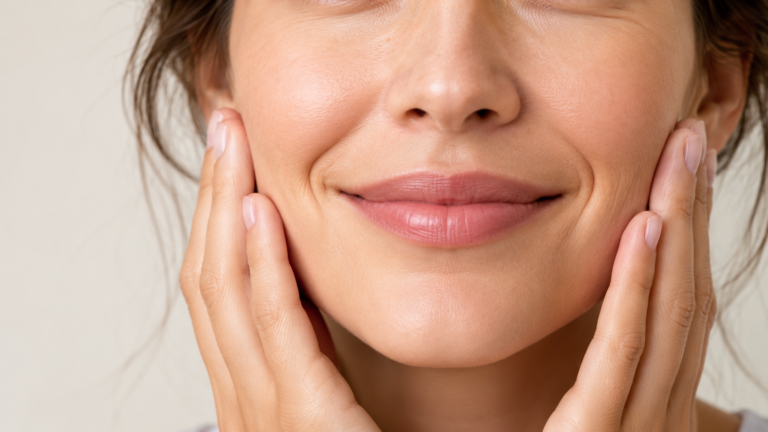
When people talk about “rosy cheeks,” they mean cheeks that naturally look a little pink or red. That color appears thanks to tiny blood vessels close to the skin’s surface.
If those vessels get wider, blood flows through more easily, and your skin gets that healthy flush—something people often connect with youth and energy.
For some, rosy skin is just how they’re built. Others only turn red during things like:
– chilly walks
– hot days
– exercise
– embarrassment
– laughter
– stress
– a drink or two
– spicy foods
This type of redness usually fades in a few minutes.
What Does “Rosy Skin” Really Mean?
People love to search “rosy skin meaning,” probably because pink cheeks are tied up with ideas about health.
Usually, rosy skin means:
– good circulation
– steady oxygen flow
– active blood vessels
– warm body temperature
– fair or thin skin showing vessels underneath
History is full of images—think old portraits—where pink cheeks meant you were in good health.
Still, not every pink face is a sign of health. If your redness sticks around, feels uncomfortable, burns, or spreads, it might mean your skin needs help.
Why Do We Get Rosy Cheeks?
Your face is packed with tiny blood vessels that react fast to what’s happening inside or outside your body.
When they open wider, blood rushes up toward your face and you turn pink or red. This is called “flushing”—and it’s totally normal.
Why do people flush? The list is long: heat, workouts, emotions, a fever, sun, a hot drink, alcohol, stress, hormonal shifts.
Sometimes it fades in a few minutes, sometimes it lingers, and occasionally it sticks around. Finding out what’s making you red is your first step to fixing it.
Common Reasons for Rosy Red Cheeks
1. Genetics
Sometimes, it’s just the family trait. If your relatives have pink cheeks, you probably do too—especially if you have fair or thin skin, light features, or visible vessels. Men get comments about it all the time. Generally, it doesn’t mean there’s a problem; in fact, some people think it makes you look younger.
2. Cold Weather
Stepping outside on a chilly day makes your blood vessels shrink, but as soon as you get back indoors, they open up fast—that’s where you get the classic winter combo: red cheeks and a pink nose. It usually isn’t permanent and fades after half an hour or so.
3. Exercise
When your heart pounds during a workout, extra blood flows to the skin to keep you cool. Red cheeks are just part of the package and will fade once you’ve cooled down.
4. Emotions
Ever blush after a compliment or feel your face burn with embarrassment? Emotions alone can make you flush. Anything from excitement to anxiety or happiness can do it, and the redness doesn’t last long.
5. Hot Foods & Spicy Meals
A spicy bite or a hot cup of coffee gets blood moving. After you eat, your face might feel warmer and turn red for a little while.
6. Sun Exposure
Sunburn can give you rosier cheeks, but it doesn’t feel good. There’s pain, maybe peeling or dryness, and over time, lots of sun ages your skin and ups your skin cancer risk. Sunscreen helps a lot here.
Red Cheeks but Not Rosacea—Yep, That’s Possible
People often jump to rosacea, but rosy cheeks can happen for tons of other reasons:
- sensitive skin
- allergies
- windburn
- dry skin
- sunburn
- eczema or dermatitis
- strong emotions
- workouts
- certain meds
Redness alone isn’t enough to pick out what’s wrong.
Rosacea vs. Rosy Cheeks—How Can You Tell?
Regular rosy cheeks tend to:
– fade fast
– stick to the cheek area
– don’t hurt or itch
Rosacea usually:
– keeps coming back
– lasts much longer
– sometimes burns, itches, or stings
– may have visible blood vessels or pimples
– can spread to other parts of the face
If you notice redness that sticks around and starts to bother you, it’s worth talking to a doctor.
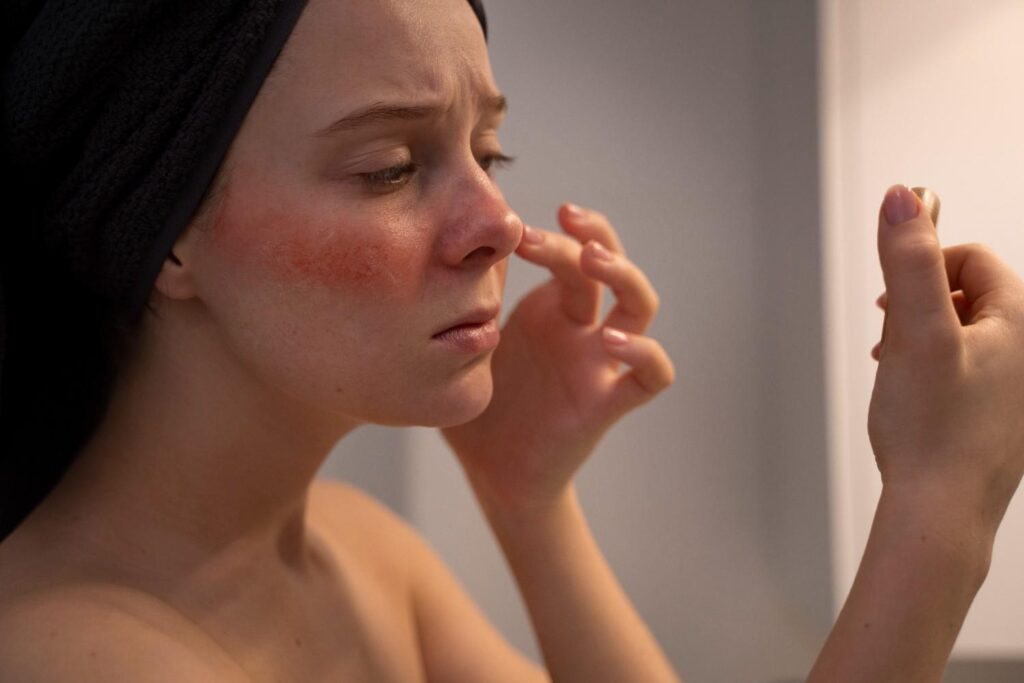
Why Are My Cheeks Always Red?
If your cheeks have been red for months or even longer, things like rosacea, genetics, thin or fair skin, sun damage, sensitive skin, allergies, some medications, or autoimmune issues could be at play.
See a dermatologist if nothing you try at home seems to help, or if the redness is starting to get in the way of your daily life.
Red Cheeks Since Birth
Some people have rosy cheeks since they were little—sometimes it’s a birthmark, visible capillaries, genetics, or just naturally fair skin. If it’s always looked the same and never feels weird or uncomfortable, it’s usually nothing to worry about. Want to be sure? Let a dermatologist take a look.
Red Cheeks in Older Adults
As people age, skin thins and gets more sensitive to sun and weather. Elderly folks may see more redness because of rosacea, sun damage, medication side effects, or health changes. If it’s a new thing or getting worse, it’s smart to check in with a doctor.
Why Are My Cheekbones Red?
Notice your cheekbones (or the tops of your cheeks) going red? Could be sun, rosacea, lupus, windburn, sensitive skin, or even irritation from skincare products. Where the redness appears actually helps the doctor figure out what’s causing it.
Facial Redness in Men
Skin care isn’t just for women. Men get red cheeks too—sometimes because their skin is fair, they shave a lot, spend time outdoors, drink alcohol, deal with rosacea, or just have dry skin. It’s really common. Some folks even find that look attractive or “model-like” because it signals energy.
Red Cheeks in Winter
Winter tends to dry out the skin, indoor heating pulls out even more moisture, and the wind makes things worse. Add in blood vessels expanding as you warm up, and you get a pink face and a red nose. A gentle moisturizer and sunscreen, even in winter, can help.
Stress Turns Cheeks Red—It’s Not Just in Your Head
Feeling tense? Your body releases adrenaline, which opens up blood vessels and brings a rush of blood—boom, flushed cheeks. You’ll see this during presentations, arguments, interviews, or social events. Reducing stress not only helps your mind, but can cool off your face, too.
Redness from Everyday Life, Not Rosacea
Sometimes the culprit is strong skincare products, too much scrubbing, hot showers, air pollution, or smoking. Damaged skin (especially a weak skin barrier) turns red more easily. Luckily, gentler habits help calm things down.
When Should You See a Doctor?
Usually, red cheeks aren’t a big deal. But it’s time for a check-up if your redness:
- won’t go away
- keeps getting worse
- burns, stings, or develops bumps
- is joined by red, irritated eyes
- comes with swelling, severe pain, fever, weight loss, or other weird symptoms
Doctors can help you get to the bottom of it before small problems grow.
How to Calm Red Cheeks Naturally
No serious medical problem? A gentle routine and some lifestyle changes go a long way. With patience, you can calm your cheeks and get fewer flare-ups.
- Use a mild, fragrance-free cleanser, wash your face with lukewarm (never hot) water, and skip the scrubbing. You don’t need harsh soaps.
- Moisturizer is your friend—they repair your skin’s barrier and lock in water. Look for ingredients like ceramides, glycerin, squalane, hyaluronic acid, or colloidal oatmeal. Put it on while your skin is still a bit damp.
- Sunscreen is a non-negotiable. Sun damage can leave your cheeks red for life. A daily SPF 30 or higher helps defend against irritation and broken capillaries.
- Figure out what makes your face red. Keep a journal—write down foods, weather, products, exercise, stress, even how you slept. Patterns will show up and you can adjust your habits.
- If you feel your face heat up, cool off gently—a cool cloth, shade, a drink of water, or moving inside will do. Don’t put ice straight on your skin.
Eat for Healthy Skin
What you eat shows on your face. While food won’t fix every problem, it supports better skin over time. Fill your plate with fruit, vegetables, whole grains, nuts, seeds, fatty fish, and beans. Drink enough water, ease up on alcohol and super-spicy foods if they bring on redness.
Getting a Natural Rosy Glow
If you want naturally pink cheeks instead of a dull look, don’t irritate your skin. Go for healthy habits: exercise (to boost circulation), colorful food, hydration, sleep, sun protection, moisturizing, and stress relief.
You can “fake” a glow without makeup, too—by being active, gently massaging moisturizer in, eating vitamins (A, C, E), and avoiding harsh weather and alcohol.
Can You Boost Your Complexion Safely?
Sure. Focus on what heals and strengthens your skin, not things that force redness. Move your body, hydrate, eat antioxidant-rich foods, sleep well, and stick to gentle, consistent skincare. Don’t rub or irritate your skin trying to bring out color—you’ll just make things worse in the long run.
Japanese Rosy Cheeks: A Beauty Trend
There’s a popular Japanese makeup style where blush is placed high on the cheeks for a cute, youthful effect. Remember, that’s just makeup—not a sign of healthier or more attractive skin. All complexions can glow if you take care of them.
Glowing Skin vs. Rosy Cheeks
People link “glowing skin” and “rosy cheeks,” but they’re not the same thing. Glow means smooth, even, hydrated skin—not just redness. Your goal should be healthy skin, not just pinker skin.
FAQs
Q. Why are my cheeks always red?
Genetics, sensitive skin, rosacea, sun, allergies, or other health problems. If it’s new, getting worse, or painful, talk to a doctor.
Q. Why do I get REALLY red cheeks?
Intense exercise, strong emotions, heat, fever, alcohol, spicy foods, rosacea, or irritation.
Q. What is cheek redness, exactly?
Simply skin that looks pink or red—most often due to increased blood flow, irritation, or inflammation.
Q. How can I reduce it naturally?
Gentle products, daily moisturizer, sunscreen, avoiding your triggers, staying hydrated, and protecting skin from harsh weather all help. Stress management, too. If in doubt, ask your doctor.
Q. Are rosy cheeks attractive?
It depends—beauty’s personal. Some find rosy cheeks healthy and cute, others prefer an even look. The main thing? Healthy skin.
Q. Can kids naturally have rosy cheeks?
Definitely. Kids’ skin is thin and shows blood vessels easily. But persistent redness with symptoms like fever, rash, or swelling deserves a doctor’s look.
Final Thoughts
Rosy cheeks are a charming, normal quirk for plenty of people—a sign of exercise, a cold day, or maybe just your genes. Don’t worry about a little glow.
But if redness is new, hurts, sticks around, or starts changing, pay attention. Your skin often speaks up when something’s happening on the inside.
Focus on gentle skincare, sun protection, smart habits, and managing stress. These do much more for your complexion than chasing beauty trends or harsh DIY fixes.
Whether you’re hoping for a glow, trying to hide redness, or just want answers, knowing what’s behind your cheek color is step one. With a bit of care (and a professional’s advice if you need it), your skin can look and feel its best.
Medical Disclaimer
This article shares information for educational purposes—it’s not medical advice, diagnosis, or treatment. If you have health questions or concerns, talk to a qualified healthcare professional. Don’t ignore or put off professional advice because of anything you read here.