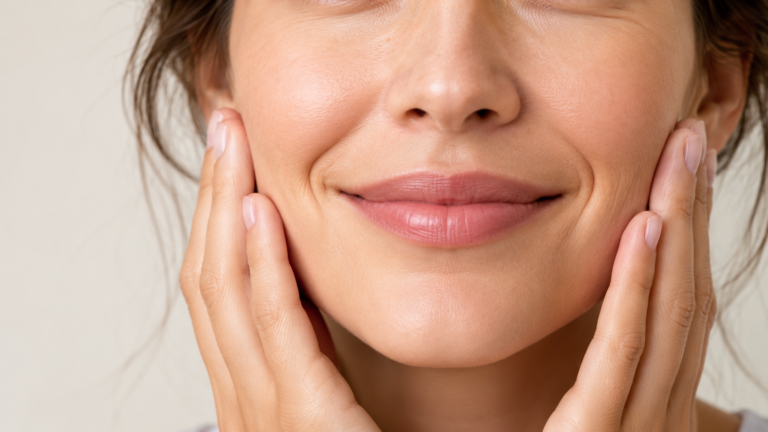
If you’ve ever stared at your reflection and felt your skin looks a bit looser or just plain tired, you’re definitely not the only one. That happens as we get older—skin loses its snap. The upside? You don’t always need to get surgery to fix it.
This is where Facetite steps in.
Facetite (sometimes spelled face tite, facetight, or face tyte) is a popular treatment that sits between simple surface solutions and full-blown surgery. It’s minimally invasive, it tightens loose skin—especially along the jawline and neck—and delivers dramatic changes without weeks of downtime.
So, what is Facetite, really?
Facetite is all about radiofrequency (RF) assisted skin tightening. It uses a controlled burst of heat beneath your skin to:
• Melt small fat pockets
• Tighten skin
• Boost collagen over time
People call it a “mini facelift without surgery,” but let’s not oversell it—it’s not quite the same as a real facelift. Think of it as an option that delivers noticeable results but doesn’t require going all-in.
You’ll see it under a bunch of different names online, including:
• Facetite
• Face tite / face tyte
• Facetight
• Skin tite / skintite
• Neck tite / necktite facetite
Here’s how Facetite gets the job done:
The procedure uses a tiny probe that slips under your skin through a small cut. Step by step, it goes like this—
1. Local anesthesia keeps you comfy
2. A thin cannula (pretty much a small tube) is placed under the skin
3. RF energy heats from the inside out
4. Fat melts, skin contracts
5. Over the next few months, collagen builds up
That combo gives you that “tightened” look—especially if your concerns are around your face or neck.
Where can Facetite help?
It’s most effective on areas with mild to moderate skin looseness:
• Jawline (everyone wants that snatched look)
• Double chin
• Neck (works wonders on vertical neck lines)
• Lower cheeks
• Nasolabial folds
If your sagging is deeper or covers larger areas, surgery might be your only option.
Facetite for vertical neck lines
Lots of folks choose necktite facetite to tackle:
• Vertical neck bands
• Wrinkly or crepey neck skin
It tightens your skin and smooths the texture—how well depends on your age and how your skin behaves.

Facetite before and after: What can you really expect?
Right away, you’ll probably notice some mild tightening and swelling.
Over the next few months (especially between 3–6 months), expect:
• A more defined jawline
• Firmer, tighter skin
• Less sagging
The magic happens as collagen rebuilds.
Recovery after Facetite
Recovery is quicker than surgery but slower than totally non-invasive options.
Here’s the timeline:
• Days 1–3: Swelling, redness, mild discomfort
• Week 1: Bruising starts to fade
• Week 2: You can go back to your usual routine
• 1–3 Months: You’ll see the final results
Want to speed up healing after facetite lipo? Try these tips:
• Wear a compression garment if your doctor tells you to
• Sleep with your head propped up
• Skip heavy workouts for a couple weeks
• Stay hydrated
• Follow your doctor’s aftercare—no shortcuts
Let’s talk about the risks
No cosmetic procedure is completely risk-free. Facetite’s possible complications? These can include:
• Swelling and bruising
• Temporary numbness
• Minor burns (pretty rare)
• Uneven results
• Infection (even rarer)
Choosing a skilled provider makes all the difference in keeping risks low.
How much does Facetite cost?
Everyone wants to know: What’s the price tag for facetite?
It really depends on where you live and what area you treat.
Average prices look like this:
• Lower face: $2,500–$5,000
• Face + neck: $4,000–$8,000
What affects the cost?
• The doctor’s expertise
• Clinic location
• How much of your face you’re treating
• If it’s combined with other procedures
So if you’re asking “how much does facetite cost?”—be ready for a custom quote.
Facetite vs Ultherapy
Here’s how the two stack up:
| Feature | Facetite | Ultherapy |
|---|---|---|
| Type | Minimally invasive | Non-invasive |
| Technology | RF energy | Ultrasound |
| Results | More dramatic | Subtle |
| Downtime | Few days | None |
| Cost | Higher | Moderate |
If you want stronger tightening—go Facetite. If you want zero downtime, Ultherapy’s your pick.
Facetite vs Facelift
In short:
| Feature | Facetite | Facelift |
|---|---|---|
| Surgery | No | Yes |
| Downtime | 1–2 weeks | 3–4 weeks |
| Results | Moderate | Dramatic |
| Cost | Lower | High |
| Risk | Lower | Higher |
Facetite’s for people who want to look fresher without major surgery. Facelift is for big transformation.
Facetite Reviews: What are real people saying?
The general consensus?
Pros:
• You’ll see real skin tightening
• Minimal scarring
• Recovery’s pretty quick
Cons:
• Results aren’t as intense as surgery
• Swelling sometimes sticks around longer than expected
• Everyone’s results are a bit different
Who makes a good candidate?
You’re likely a fit if you have:
• Mild or moderate skin sagging
• Early signs of aging
• Want to skip surgery
• Good overall health
You’re not a fit if you have:
• Severe loose skin
• Are expecting facelift-level changes
What about Skintite?
You might hear about skin tite, skintite—they’re pretty much similar treatments based on RF energy, but are mostly used for body areas instead of face and neck.
Wrapping up
Facetite is a solid choice if you want more than what creams or lasers can provide, but less than surgery. It’s not magic, but with a skilled doctor, it offers natural-looking, visible improvement.
Quick takeaways:
• Minimally invasive tightening
• Best for jawline and neck
• Recovery’s faster than surgery
• Price: $2,500–$8,000
• Results build for months
Quick FAQ
How long do Facetite results last?
Usually two to five years, depending on how you age and your lifestyle.
Is Facetite painful?
You’ll feel mild discomfort but the local anesthesia keeps it manageable.
Can Facetite replace a facelift?
No, but it’s a fantastic option for mild to moderate aging.
Medical Disclaimer
This article shares information for educational purposes—it’s not medical advice, diagnosis, or treatment. If you have health questions or concerns, talk to a qualified healthcare professional. Don’t ignore or put off professional advice because of anything you read here.