If you’ve been looking for a way to lift and refresh your face without surgery, you’ve probably run into PDO threads. They’re everywhere right now—from your dermatologist’s office to TikTok—and honestly, it makes sense. The idea of a non-surgical facelift that actually shows results and doesn’t leave you stuck at home for weeks? No wonder people are curious.
What Are PDO Threads?
PDO threads (short for polydioxanone threads) are special, dissolvable medical threads that doctors slide just beneath your skin to lift and tighten. Doctors used to use these in surgery for stitches, but now they’ve found new life in aesthetic medicine, especially for anyone hoping to firm up sagging skin or smooth out wrinkles.
imagine a bunch of invisible support strings working under your skin. They lift saggy spots, kickstart collagen production, and help your skin feel firmer and smoother. Over time, your body naturally breaks them down and absorbs them.
What Is a PDO Thread Lift?
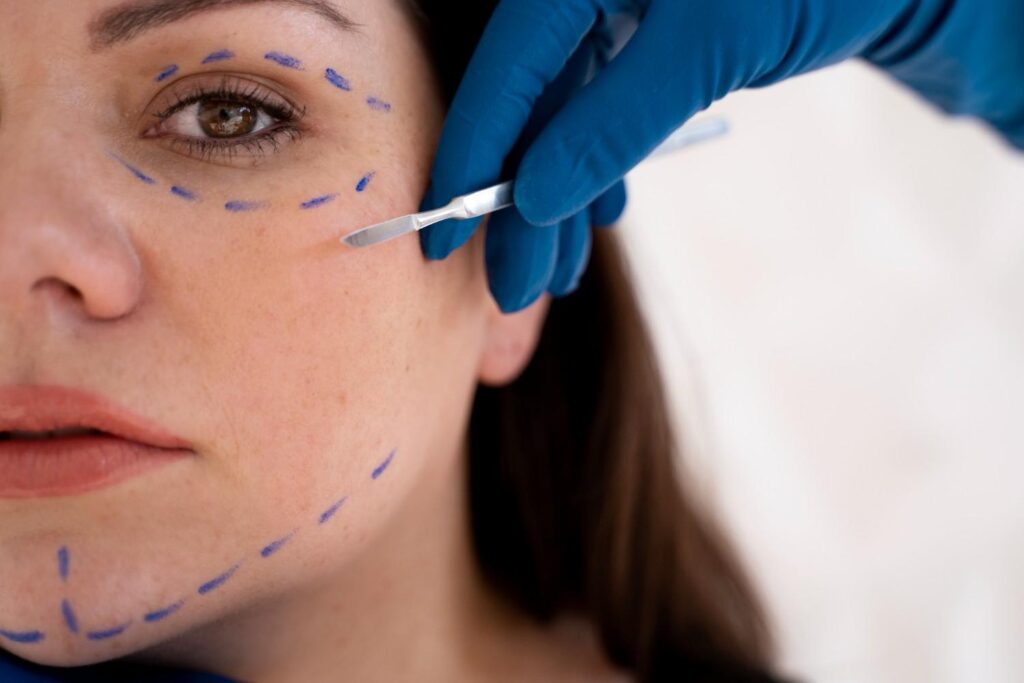
A PDO thread lift is a cosmetic treatment, sometimes called a thread lift or PDO lifting, where a doctor inserts these threads to gently pull and lift areas that have started to droop—think along your jawline, cheeks, neck, eyebrows, and under the eyes.
Here’s how it goes:
1. Your doctor uses a thin needle to slip the threads under your skin.
2. They lift and anchor the threads where they want them.
3. In the end, your skin looks smoother and lifted—no surgery needed.
Types of PDO Threads
Not every thread works the same. Knowing the difference can make a big difference in what you get.
1. Mono Threads (Smooth PDO Threads)
Mono threads, sometimes called smooth threads, don’t have barbs. They’re best for tightening—not dramatic lifting. Doctors usually use them on fine lines, under-eye areas, and for a subtle neck lift.
2. Cog PDO Threads
Cog threads come with tiny barbs that hook into your skin and hold it up. These threads handle serious lifting jobs—perfect for the jawline, cheeks, or anywhere you want more definition.
3. Screw / Twist Threads
These are spiral threads. They add volume and help smooth things out, especially good for plumping cheeks or filling in hollow spots.
Where You Can Use PDO Threads
Thread lifts are pretty flexible. People use them almost everywhere they want a lift:
– Face: for an overall lift, plumper cheeks, or brow shaping
– Jawline: sharper, more defined look
– Eyes: under-eye bags and dark circles
– Neck: tightening loose or sagging skin
– Body: spots like upper arms or even the tummy
Why People Like PDO Threads
- You see an immediate lifting effect
- Your skin gets a gentle collagen kick
- No cuts, no scars, and no surgery
- Downtime is minimal—most people go right back to their routine
- Texture and tightness improve over time
- Works for both women and men
And a nice bonus: results actually keep getting better for months after treatment.
PDO Thread Lift Before and After (What to Expect)
Some lift shows up right away, but the real magic is gradual. Here’s what most people notice:
– Day 1 to 3: Some swelling or bruising—pretty normal
– Week 2: Skin looks and feels tighter
– Between 1 to 3 months: Collagen production kicks in for full results
– 6 to 12 months: Effects usually last up to a year or more
Of course, your results depend on your skin and your doctor’s experience—so picking someone good matters.
PDO Thread Lift Procedure (Step-by-Step)
Here’s what actually happens during a thread lift:
1. You start with a consultation.
2. The doctor draws out where the threads go.
3. You get a little numbing to keep things comfortable.
4. Threads are placed using thin needles
5. The doctor adjusts the lift as needed
6. And you’re done—usually in under an hour
How to Insert PDO Threads
Doctors follow a precise method:
– They guide a needle under your skin
– Place each thread in the direction of lift
– Anchor if it’s a cog-style thread
– Then gently pull the needle out, leaving the thread in place
Seriously, leave this to trained professionals.
PDO Threads vs Surgical Facelift
| Feature | PDO Thread Lift | Surgical Facelift |
|---|---|---|
| Downtime | Minimal (1–3 days) | Weeks (2–4 weeks recovery) |
| Cost | Lower | High |
| Results | Natural and subtle | Dramatic and long-lasting |
| Risks | Lower (minor swelling, bruising) | Higher (surgical complications) |
Thread lifts are great for a mini-lift—not a complete overhaul.
PDO Threads Side Effects & Risks
Like any cosmetic treatment, there are risks—but most are mild.
Common:
– Swelling
– Bruising
– Mild pain or discomfort
Rare but possible:
– Infection
– Threads peeking through the skin
– Uneven results
People sometimes worry: “Do PDO threads end up looking worse?” If your doctor knows what they’re doing, almost always the answer is no.
PDO Threads Aftercare
Take care of your skin after treatment to get the best outcome:
– Don’t touch your face more than you need to
– Try to sleep on your back, not your side
– Skip heavy workouts for a week or two
– Don’t get facial massages for a bit
– Always follow your provider’s advice
PDO Thread Lift for Special Areas
Jawline Lift
Want more definition? Thread lifts sharpen your jaw and tighten any sag above the neck.
Neck Lift
Perfect for smoothing out “turkey neck” and tightening up that area.
Under Eyes
Helps minimize bags and soften dark circles so you look more rested.
PDO Threads vs Other Thread Lifts
You’ll hear about feather lifts, sugar string lifts, or “Brazilian” thread lifts. But here’s the thing—PDO threads are the gold standard right now. They’re safe, they dissolve on their own, and they have a longer history of good results.
History of PDO Threads
PDO threads started out as stitches in the operating room. Once doctors realized they could also lift skin and boost collagen, it didn’t take long for these threads to show up in the world of facial rejuvenation.
Final Thought
Thinking about a PDO thread lift? Don’t get swept up in the hype alone.
Find someone you trust, know what’s realistic for your skin, and think long-term. The aim isn’t to turn back time—it’s to look refreshed, confident, and like the best version of you.
Medical Disclaimer
This article shares information for educational purposes—it’s not medical advice, diagnosis, or treatment. If you have health questions or concerns, talk to a qualified healthcare professional. Don’t ignore or put off professional advice because of anything you read here.