Ever reach for something on a high shelf, roll over in bed, or heft a heavy bag—then feel a sudden, sharp pain near your collarbone? You’re not the only one. Collarbone pain pops up in all kinds of people—athletes, desk workers, kids, older folks. Sometimes it’s just a muscle strain that fades away with a little rest, but other times, it’s because of a fracture, irritation in the joint, nerve trouble, or even something more serious that needs a doctor’s care.
Your collarbone—doctors call it the clavicle—is that skinny, curved bone running from your breastbone (sternum) to your shoulder blade (scapula). It’s more than just a bridge; it keeps your shoulder in place, gives your arm room to move around, and covers some pretty important nerves and blood vessels. It sits right under the skin, too, so injuries here are common—especially compared to deeper bones.
This pain can show up anywhere along the collarbone. Some notice it on the left, others on the right, and sometimes it’s tender near the shoulder or right in the middle of your chest. The pain itself changes, too—it might be sharp, or dull and throbbing, or only bug you when you move the wrong way.
What Is the Collarbone?
Everyone’s got two, left and right. Each side connects your chest to your shoulder blade, forming a little bridge that keeps your shoulder solid and steady.
Even though it looks pretty simple, the clavicle does a few big jobs:
– It keeps your shoulder lined up right
– Supports your arm so you can reach in all directions
– Acts as a shock-absorber between your arm and body
– Protects nerves and blood vessels underneath
– Helps keep your shoulder from drooping when you lift or pull things
But here’s the catch: there’s barely any muscle on top of it, so it’s more prone to bumps, bruises, and breaks—especially if you fall, play contact sports, or get in an accident.
What Does Collarbone Pain Feel Like?
Nobody experiences collarbone pain in quite the same way. The symptoms usually hinge on what’s actually causing the discomfort.
Some people feel a slow-building ache after hours hunched over a keyboard. Others, especially after a fall, get hit with a fast, stabbing pain. You could also have:
- Sharp or dull pain along the bone
- Tenderness to the touch
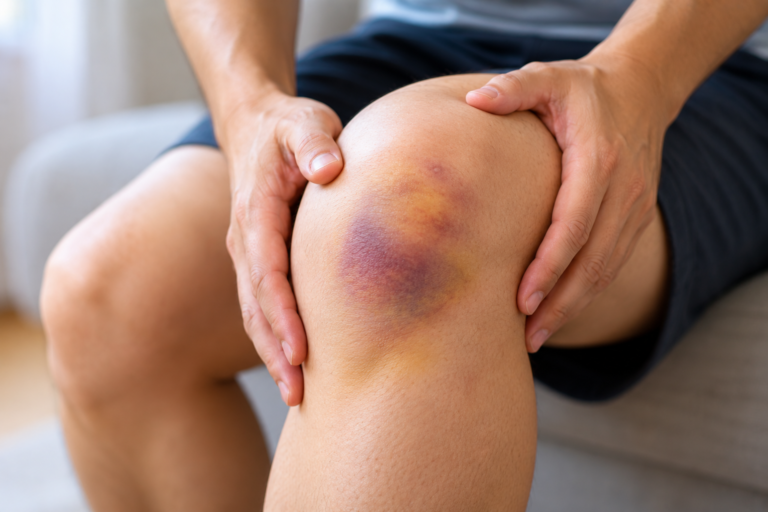
- Swelling or bruising
- Trouble lifting your arm
- Pain reaching overhead
- Clicking or popping sounds when you move your shoulder
- Burning or tingling
- Stiffness in your shoulder
- Pain that spreads into your neck or upper chest
The pain might get worse if you sleep on your side, lug around heavy bags, or make a habit of the same motion over and over.
Common Causes of Collarbone Pain
Collarbone pain has a lot of possible sources. Some are mild and clear up with a bit of rest. Others need a doctor’s help.
Here are some of the biggest reasons people get collarbone pain:
1. Muscle Strain and Overuse
Believe it or not, this is one of the most common triggers. Muscles don’t actually live inside the collarbone, but plenty attach near it. If you spend hours doing repetitive work, heavy lifting, or even gardening, those muscles can get overworked and ache around the bone.
You’ll likely notice:
– Mild to moderate pain
– Tight, sore muscles
– Trouble lifting your arm
– Tender spots near the collarbone
– Stiffness after activity
The good news? Rest and gentle stretching usually sort this out.
2. Broken Collarbone (Clavicle Fracture)
Breaks happen—a lot, especially if you’re a kid, cyclist, athlete, or involved in a car accident. It’s easy to break the collarbone by landing hard on your shoulder or outstretched hand.
What to watch for:
– Sudden, severe pain right after an injury
– Swelling and bruising
– Hard to move your arm
– A bump, or your bone looks lumpy or out of place
– Grinding or crunching if you try to move
If you think you’ve broken your collarbone, get checked out. Plenty of breaks heal with a sling, but some need surgery.
3. AC Joint Injury
Where your collarbone and shoulder blade meet, there’s the acromioclavicular (AC) joint. Fall straight onto your shoulder, and you might tear these supporting ligaments—a separated shoulder.
You’ll see:
– Pain right at the top of your shoulder
– Swelling and tenderness
– Increased pain reaching across your body
– A small bump above the shoulder
4. Arthritis
Joints at both ends of the collarbone can get arthritic, especially as you age. Osteoarthritis can wear out cartilage, and other types like rheumatoid arthritis can target these spots, too.
Symptoms tend to sneak up, like:
– Stiffness when you wake up
– Joint tenderness
– Achiness with movement
– Harder to move your shoulder
– Mild, persistent swelling
5. Poor Posture
Hunching over your phone or slouching at your desk for hours? The modern lifestyle is rough on your collarbone. Bad posture increases stress on your neck and shoulders, leading to stiffness and pain. If you also notice clicking or stiffness in your neck, read our guide on neck cracking and when it may be a cause for concern.
You’ll feel:
– Tight chest muscles
– Achy neck and shoulders
– Fatigue in your upper body
– Mild pain around the bone
Straightening up usually helps.
6. Sleeping Position
You wake up and your collarbone hurts—sound familiar? Sleeping on one shoulder, or using a pancake-flat pillow, puts extra pressure here.
Here’s what to watch for:
– You wake up with pain and tenderness in the morning.
– Your shoulder feels stiff, but it loosens up as the day goes on.
If this sounds familiar, try adjusting your sleep position and investing in a good pillow. You’ll be surprised how much that can help.
7. Rotator Cuff Injuries
Your rotator cuff is just a bundle of muscles and tendons that keeps your shoulder steady. If you strain or tear these, you’ll probably feel pain that shoots up toward your collarbone.
Check for these signs:
– It hurts to lift your arm.
– Your shoulder feels weak.
– Sleeping is tough, especially if you roll onto that shoulder.
– Reaching overhead becomes a chore.
8. Pinched Nerve
Nerves weave through your neck and shoulder. If something squeezes a nerve—maybe a slipped disc in your neck or tight muscles—the pain often shows up near your collarbone.
Here’s what that feels like:
– Sharp, burning pain
– Tingling or numbness
– Pain moving down your arm
– Achy neck at the same time
9. Tendon or Ligament Injury
If you stretch or tear the tendons or ligaments near your collarbone (think sports injuries, a fall, or just overdoing a movement), you’ll notice:
– Pain in one specific spot
– Swelling around the shoulder
– Your shoulder might feel unstable or wobbly
– It hurts when you move your shoulder
– You hear or feel clicking when you move
Keep an eye on these symptoms so you know when to step back—or head to a doctor.
10. Infection
Rare, but possible—an infection in or around the collarbone is serious.
Watch for:
– Strong pain
– Fever
– Red, warm, swollen area
– Overall feeling lousy
Don’t wait if these hit—see a doctor right away.
11. Referred Pain
Sometimes, the problem isn’t the collarbone itself. Pain might actually start in your neck, shoulder, upper back, or even your chest, but gets “felt” in the area of the collarbone.
12. Rare Causes
Every now and then, collarbone pain sticks around because of bone tumors, cysts, metabolic problems, or uncommon infections. These are rare—still, if you’ve got pain for weeks and it’s getting worse, or you notice unexplained weight loss, fever, or a new lump around the shoulder, learn about the possible causes of a lump on the shoulder, then get it checked by a healthcare provider.

Does It Matter Which Side Hurts?
Location can help point to what’s going on.
Left Collarbone Pain
Most of the time, left-sided pain is about muscles, arthritis, or shoulder injuries. But if it comes with chest pain, shortness of breath, sweating, dizziness, or pain in your jaw or arm, you might be having a heart problem—don’t wait, get emergency care.
Right Collarbone Pain
Right-side pain tends to tie back to overuse, sports, tendon problems, or the shoulder joint. Very rarely, pain here can come from belly organs like the liver or gallbladder.
When Should You See a Doctor?
Time usually fixes minor collarbone pain. But don’t brush it off if:
- Pain’s severe or hangs on for more than a couple of weeks
- You see more swelling, or it gets super tender
- You can’t lift your arm normally
- The pain keeps coming back
- Your joint clicks, grinds, or crunches
- You get numbness or tingling in the arm
- You feel a lump near the bone
- It stops you from sleeping or living normally
Call for emergency care right away if you:
- Get severe pain after an injury
- See a bone jutting out or a weird bump
- Get chest pain, especially left-side pain
- Are short of breath or feel weak suddenly
- Are bleeding heavily or running a high fever with swelling/redness
How Do Doctors Figure Out the Cause?
Your doctor will listen to your story, ask about accidents or activities, and examine your shoulder and neck.
Things you could get asked:
– When did the pain start?
– Have you fallen or been injured recently?
– Which moves make it worse?
– Does it radiate to your neck, shoulder, or chest?
– Notice any swelling, bruising, or numbness?
– Fever or weight loss?
They’ll gently press around, compare shoulders, test your movement, strength, and reflexes, and sometimes order imaging like X-rays, CT scans, MRI, or ultrasound (to see muscles and tendons). They might do blood work if they suspect infection or inflammation.
How Do You Treat Collarbone Pain?
Treatment mostly depends on the reason.
1) Rest & Activity Changes
Letting things settle can do wonders. Your doctor might ask you to:
– Stop heavy lifting or aggravating activities
– Cut back on repetitive moves, especially overhead
– Ramp activity back up slowly—not complete bed rest if you can avoid it
2) Ice & Heat
Use ice packs (wrapped in cloth—not straight on your skin) for 15-20 minutes several times a day for the first few days if you’re swollen or bruised. After that, gentle heat sometimes relaxes tight muscles.
3) Pain Meds
Over-the-counter painkillers can help—but talk to your doctor if you have stomach, heart, or kidney issues. And if the pain’s not going away, don’t just keep medicating—check in with a professional.
4) Physical Therapy
A PT can show you stretches and strengthening moves to improve flexibility and shoulder stability, plus help you work on your posture. Rehab programs usually mean less long-term trouble than just resting.
5) Sling or Shoulder Support
For fractures and some ligament injuries, a sling keeps your arm stable while you heal. Your doctor will let you know how long you’ll need it.
6) Surgery
Most people don’t need surgery. But you might if you’ve got a badly misaligned break, major ligament injury, serious infection or growth, or the collarbone’s poking through the skin.
Home Care Tips
Little things make a difference:
Posture: Sit tall, shoulders relaxed, eyes at screen level. Avoid bending your head down to look at your phone for ages.
Sleeping: Back sleeping is your best bet. On your side, lie on the healthy one, and try a supportive pillow (hugging an extra pillow can help keep your sore arm comfy).
Stretching: Once the ache dies down, gentle neck and shoulder stretches and chest openers keep you flexible. (Stop if it hurts!)
Nutrition: Healing needs protein, calcium, vitamins C and D, magnesium, and plenty of water.
Can Collarbone Pain Be Prevented?
You can’t avoid every trip or fall, but you can lower your risk by:
- Strengthening your shoulders and upper back with regular exercise
- Warming up before sports or working out
- Standing and sitting up straight
- Lifting the right way—use your legs, not your back or shoulder
- Wearing protective gear, especially for contact sports
- Not overloading one shoulder with a heavy bag
- Taking regular movement breaks if you work at a desk
Frequently Asked Questions
Q. Why does my collarbone hurt if I haven’t been injured?
Often, it’s muscle strain, bad posture, arthritis, tendon irritation, nerve trouble, or sleeping oddly. If the pain keeps going or gets worse, see a doctor.
Q. Can sleeping cause collarbone pain?
Yep. The wrong pillow or always sleeping on one side can trigger pain and stiffness by morning.
Q. Is left collarbone pain something to worry about?
Usually, it’s something minor. But if you also get chest pain, trouble breathing, sweating, dizziness, or pain shooting into your jaw/left arm, get emergency help—these can be signs of a heart issue.
Q. How long does collarbone pain last?
Minor strains usually clear up in a few days to two weeks. Fractures take six to twelve weeks. Some injuries need a bit longer.
Q. Is it safe to exercise with collarbone pain?
Light exercise is fine for mild, muscle-related discomfort. But skip workouts—or see a doctor—if you’ve fallen, think you broke something, or your pain is sharp and persistent.
Q. Can stress cause collarbone pain?
Stress often causes neck and shoulder tension, which can easily radiate to the collarbone. Things like stretching, good posture, and managing stress usually help.
Final Thoughts
Collarbone pain happens for lots of reasons—everything from a muscle tweak to a break. Most cases get better with rest, fixing your posture, and a little TLC. Still, if the pain won’t quit, gets worse, or comes with warning signs like swelling, trouble breathing, numbness, or chest pain, don’t brush it off—see your doctor.
Pay attention to exactly where it hurts, how long it lasts, and whether you’ve got other symptoms. Getting checked out early and following the right treatment plan helps you get back to normal life, pain-free—and that’s the goal.
References
Medical Disclaimer
This article shares information for educational purposes—it’s not medical advice, diagnosis, or treatment. If you have health questions or concerns, talk to a qualified healthcare professional. Don’t ignore or put off professional advice because of anything you read here.