Toenail fungus is one of those things people try to hide. Maybe your nail turns yellow, gets thicker, flakes, cracks, or starts to smell—not exactly sandal-friendly. It’s common, though, and there are ways to deal with it.
Lots of folks look up things like “home remedies for toenail fungus” or “how to get rid of toenail fungus naturally” because they want simple, affordable fixes right at home. You’ll see tea tree oil, apple cider vinegar, garlic, coconut oil, Vicks VapoRub, hydrogen peroxide, and a whole list of essential oils pop up.
Here’s the thing: not every so-called miracle cure on the internet actually kills fungus. While natural treatments might help your nails a bit or slow things down, stubborn cases usually need something stronger. For example, researchers have seen some promise with tea tree oil or ointments like Vicks in small studies, but nothing’s totally proven yet.
What Even Is Toenail Fungus?
Doctors call it onychomycosis—a type of fungal infection that sets up shop in and around your nail. The fungi basically snack on the keratin that makes up your nails.
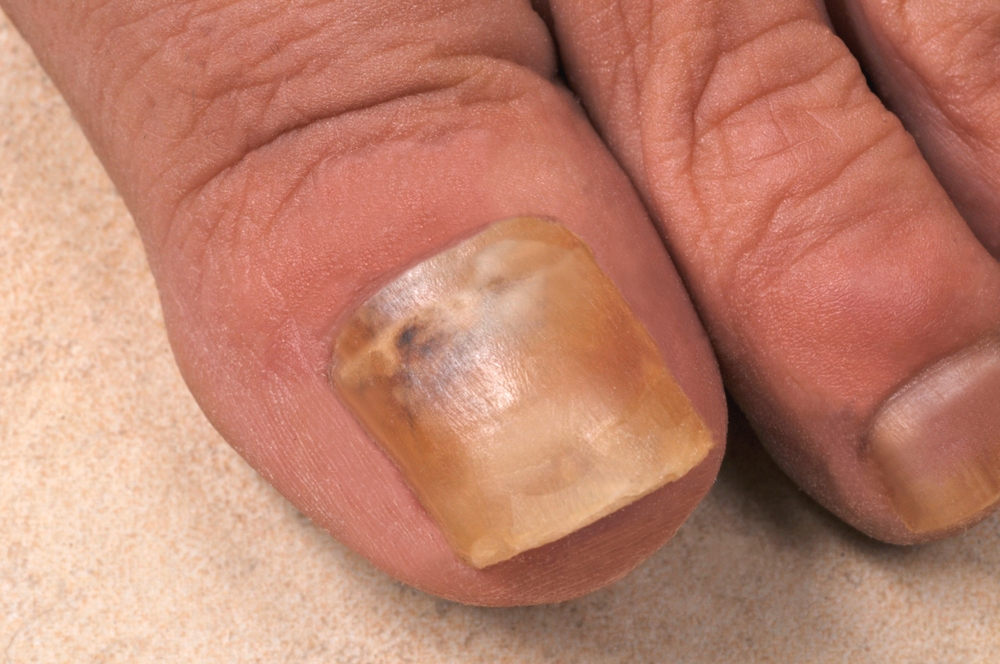
It sneaks in slowly. Usually, you don’t feel pain at first, so a lot of people just ignore it. Over time, you might notice:
- Yellow, white, brown, or dark-colored nails
- Thick, hard-to-trim nails
- Brittle or crumbly texture
- Weird shapes or splits in the nail
- Nail lifting off the nail bed
- A funky smell
Sometimes it’s one nail, sometimes more.
Why Do People Get Toenail Fungus?
If you want to treat nail fungus and stop it from coming back, it helps to know what causes it.
1) Warm, Moist Environments
Fungi love humid, sweaty places. If you wear sweaty shoes all the time, you’re making a little fungus spa for your feet.
– Tight shoes
– Damp socks
– Shoes that don’t breathe
– Going barefoot in public showers or locker rooms
2) Damaged Nails
Little cuts or injuries give fungus a way in.
– Nail trauma
– Cutting your nails wrong
– Rough pedicures
– Fake nails
3) Athlete’s Foot
Often, toenail fungus piggybacks in after athlete’s foot. It starts between your toes, then moves to your nails.
4) Health Issues
Certain people get fungal nails more easily—especially if you have:
– Diabetes
– Poor blood flow
– A weakened immune system
– You’re just getting older
If you have diabetes, be extra cautious with any home remedies—foot infections can turn serious fast.
Home Remedies People Try for Toenail Fungus
A lot of these natural options get passed around the internet. Keep in mind, progress is almost always slow, and you have to stick with it.
1. Tea Tree Oil
This is a favorite. It’s known for antifungal and antimicrobial effects. Some small studies suggest it can help mild cases if you’re patient and use it every day. But scientists still don’t have the final word.
How to use it:
– Clean and dry your nail
– Dab on diluted tea tree oil with a cotton swab
– Leave it there, and do it every day
Never put undiluted tea tree oil right on your skin if it’s sensitive; mix it with coconut or olive oil. And yes, you’ll need months—not days—for any improvement.
2. Apple Cider Vinegar
A lot of people swear by vinegar because it’s acidic and may make things less comfy for fungus.
Try this soak:
– One part apple cider vinegar, three parts warm water
– Soak your feet for 15–20 minutes, then dry them really well
Science on this is still thin. It might slow fungus down, but it’s not a guaranteed fix. If you have cuts or cracked skin, skip the vinegar—it’ll just make things worse.
3. Vicks VapoRub
Kind of a surprise, but pretty popular. It has camphor, menthol, and eucalyptus oil. Some small studies saw a little improvement, but, again, not a sure thing.
How to apply:
– Wash and dry your nail
– Rub a small dab onto the nail
– Repeat every day
Just don’t expect a miracle. It can still take months to see any real change.
4. Garlic
Garlic’s known to fight fungi in the lab. Some folks crush it up and dab it on their nails. Be careful—raw garlic can sting or burn, especially on sensitive or broken skin. If you try it, don’t leave it on too long. Honestly, think of garlic more as a maybe-helpful sidekick, not a cure.
5. Coconut Oil
People use it because it’s moisturizing and might offer mild antimicrobial effects.
– Good for softening dry skin
– Might make nails look healthier
– Eases dryness
But if your infection is well-established, coconut oil is unlikely to do much but moisturize.
6. Oregano Oil
There’s carvacrol in oregano oil, which scientists have studied for its fungus-fighting powers. But it’s super strong—always dilute before using.
7. Baking Soda
Some use baking soda because it absorbs moisture and helps keep feet dry—nasty for fungi. You can make a paste and leave it on briefly. Won’t kill the fungus directly but might help your feet stay less damp.
8. Hydrogen Peroxide
Loads of people try this for cleaning purposes. But there’s not much evidence it cures toenail fungus. Too much can irritate or burn skin—so don’t go overboard.
9. Olive Oil with Essential Oils
Sometimes people mix olive oil with a few drops of tea tree or oregano oil. It softens nails and can make strong oils less harsh. Always patch-test—just in case your skin doesn’t like it.
Natural Remedies That Are Overhyped
You’ll see big claims all over the internet like: “Eliminate fungus in 10 minutes!” or “Permanent cure overnight!” Honestly, it doesn’t work that way. Steer clear of bleach, harsh chemicals, undiluted oils, mystery acids, or homemade concoctions that could just leave you worse off.
What You Should Do at Home
A daily routine can make a difference.
- Keep your feet dry. Change socks, dry well between toes, let your shoes air out.
- Trim nails straight across. Keep them short and don’t dig at the corners.
- Disinfect clippers and files after using. Don’t share these tools with anyone.
- Rotate shoes. Don’t wear the same pair two days in a row if you can avoid it.
Will Toenail Fungus Just Go Away?
People always ask how to get rid of it naturally. If your case is mild and you’re consistent about foot care, you might see improvement. But if your nails are really thick or the fungus is deep, you’ll probably need medicine from a doctor.
Toenails grow slow. Even when the fungus is gone, the damaged nail has to grow out, which can take many months.
When Should You See a Doctor?
If your nail hurts, the infection spreads, gets really thick, or you have diabetes or poor circulation, talk to a doctor. You might need prescription antifungal meds, medicated solutions, or special treatments.
Quick FAQs
Q. What’s the best home remedy?
Tea tree oil is popular, but nothing’s guaranteed. Clean, dry feet and nails help more than any one product.
Q. Does Vicks cure nail fungus?
It might help a little, but don’t count on it as a cure.
Q. Does vinegar kill fungus?
It slows things down, but there’s no solid proof it wipes out toenail fungus.
Q. How long does treatment take?
Months—and toenails grow slowly, so patience is key.
Q. Can I get rid of toenail fungus forever?
It can come back, even after treatment. Good foot hygiene is the best prevention.
Final Thoughts
A lot of people want quick, natural fixes for toenail fungus—tea tree oil, vinegar, Vicks, coconut oil, or just solid foot hygiene. These might help, mostly in mild cases, but nail fungus is stubborn. There’s no instant cure. Patience, consistency, and sometimes a doctor’s help are the best way forward. Healthy nails take time to grow out, so stick with your routine and don’t give up. That’s your best shot at happier, healthier toes.
References
- American Academy of Dermatology Association.
Nail fungus: Diagnosis and treatment
- Cleveland Clinic.
Toenail/Nail Fungus (Onychomycosis): Causes & Treatment
- Cleveland Clinic Health Essentials.
Skip These 5 Home Remedies for Toenail Fungus
- Healthline.
10 Home Remedies for Toenail Fungus
- Verywell Health.
How to Identify & Treat Toenail Fungus
Medical Disclaimer
This article shares information for educational purposes—it’s not medical advice, diagnosis, or treatment. If you have health questions or concerns, talk to a qualified healthcare professional. Don’t ignore or put off professional advice because of anything you read here.