If you’ve ever spotted a black mark on your gums while brushing—or maybe a brown patch between your teeth or a dark line hugging the gum—you probably gave it a second look. It’s easy to get freaked out, especially when you don’t know what it means.
Here’s the thing: black gums aren’t always a sign that something’s wrong. Some people just have naturally darker gums thanks to melanin, the same pigment that colors your skin. But sometimes dark spots show up because of smoking, dental work, injuries, infections, or other issues.
What Do Black Gums Actually Look Like?
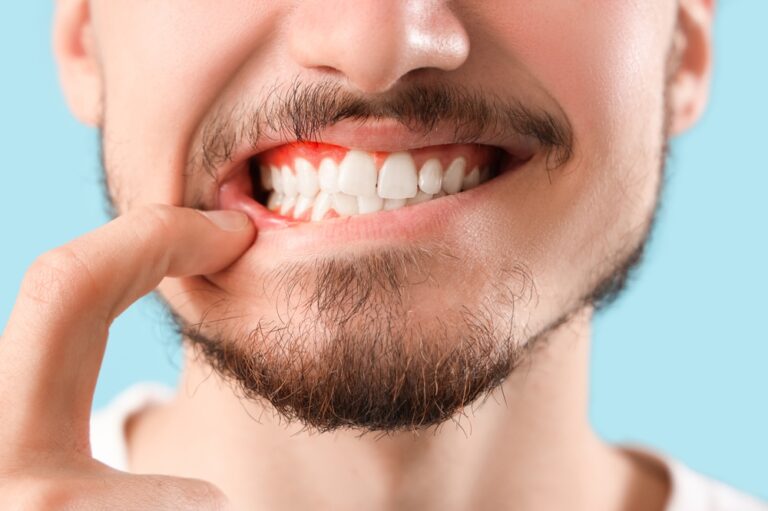
Gum color isn’t the same for everyone. Some folks have light pink gums, others naturally have brown or even dark brown gums.
Black gums can show up a few different ways:
– Dark patches—brown or black areas on your gums.
– A single black spot near a tooth or dental work.
– A black line right at the gum line.
– Purple or gray spots—sometimes these mean bruising or changes in the tissue.
– Dark sores—discolored spots that hurt or bleed.
Where, how big, and how long the spot’s been there all give clues, but a dentist’s exam is the real way to know what’s causing it.
Why Do Black Gums Happen?
There’s a bunch of reasons your gums might get dark spots. Some are harmless, others might need attention.
1. Natural Melanin Pigmentation
Melanin is what gives your skin its natural color, and your gums, too.
If you’ve always had dark gums, or they’re evenly pigmented, it’s probably just your normal. This kind of pigmentation doesn’t hurt or bleed and doesn’t change much. Usually, it doesn’t need treatment—but if you notice a new spot or the color shifts, it’s smart to check with your dentist.
2. Smoking and Tobacco
If you smoke, you’re more likely to get dark patches in your mouth. Sometimes people call it “smoker’s melanosis.” It can show up on your gums, inner cheeks, even your lips. Sometimes, you wind up with a shadowy upper lip that looks like a moustache.
Smoking doesn’t just cause pigmentation—it raises your chances of gum disease, losing teeth, and even oral cancer. Quitting helps your mouth overall, but those dark spots might stick around for a while, and might not totally fade.
3. Dental Procedures and Amalgam Tattoos
Ever had a filling and noticed a dark spot near that tooth afterward? That’s sometimes called an amalgam tattoo—basically, tiny bits of metal from dental materials get trapped in your gum.
These spots usually look flat and blue-gray or black. Sometimes, after a dental injection or extraction, you’ll see a spot, but it might just be bruising or something else.
Amalgam tattoos are harmless and don’t need fixing. If your dentist isn’t sure what caused it, they might run extra tests.
4. Gum Bruising or Injuries
Your gums have tons of tiny blood vessels. An injury—like brushing too hard, biting yourself, chomping down on sharp foods, or even a dental injection—can mess things up and cause a bruise that looks purple, brown, or almost black.
Usually, these spots are tender and their color changes as they heal. If the spot hangs around, gets worse, hurts more, or swells up, definitely see your dentist. Don’t just assume it’s a bruise unless you know you hurt yourself. For more information about caring for oral injuries, read our guide to injuries inside the mouth .
5. Tartar, Stains, or Tooth Decay
Not all black lines near your gums are actually in your gums. Sometimes, it’s something stuck to your teeth.
Plaque—the sticky stuff on your teeth—hardens into tartar, which can look yellow, brown, gray, or black right at the gum line. If you see a black line or brown spot near your gums, it could be tartar, tobacco stain, or even tooth decay.
A dentist can tell if what you see is on the surface or if the tooth’s damaged. If it’s tartar, cleaning can help; decay needs a filling or other fix. Don’t scrape at it with sharp objects—you’ll just hurt your gums and teeth.
6. Medicines and Health Conditions
Certain meds, like minocycline, can change the color of your mouth’s tissues. Sometimes, darker gums are connected to medical issues like Addison’s disease (which messes with hormone levels and throws in symptoms like fatigue or dizziness).
A single dark spot doesn’t mean you’ve got a medical problem, but let your dentist know if you started a new medicine or feel off in other ways. Never stop taking prescribed meds without checking with your doctor.
7. Gum Infection
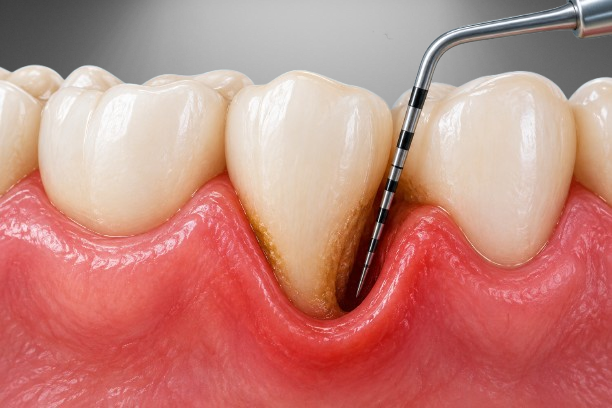
Gum infections usually make your gums red, swollen, sore, or bleed. If it gets bad enough, the tissue can turn gray or black.
Acute necrotizing ulcerative gingivitis is one nasty infection—it can cause ulcers and serious gum damage.
Look for:
– Sharp gum pain
– Bleeding
– Bad breath
– Gray edges around your gums
– Swelling
– Fever (sometimes)
If you notice dark gum tissue along with pain, swelling, or signs of infection, contact your dentist. You can also learn more about gum boils and signs of infection. Home remedies aren’t enough to treat a serious gum infection.
8. Oral Cancer and Strange Pigmented Lesions
Some dark spots are totally harmless, but now and then, a new or changing black spot is something serious.
Oral melanoma is rare, but it can appear as brown, blue, or black patches with weird borders or mixed colors.
What to watch for:
– Spots that get bigger or change color
– Irregular edges
– Not healing
– Unexpected bleeding
– Lumps or thickened areas
Not every dark spot means cancer, but don’t ignore new or changing ones even if they don’t hurt. If the dentist isn’t sure, they’ll probably suggest a biopsy.
What Does That Dark Spot Actually Mean?
It depends on where it is and what else you notice.
| What You See | What It Might Be |
|---|---|
| Gums that have always been dark | Natural melanin pigmentation |
| Flat dark spot near an old filling | Amalgam tattoo |
| Purple spot after an injury | Bruising |
| Black line on a tooth | Tartar, staining, or tooth decay |
| Dark area around a wisdom tooth | Debris, decay, or gum problems |
| Painful dark sore | Infection or tissue damage |
| Growing or unusual black spot | Needs examination by a dentist |
These are just examples—not diagnoses. Plenty of things look similar, so let a dentist decide.
Black Spots Elsewhere in Your Mouth
It’s not just gums. Dark spots can pop up inside your cheeks, on the roof of your mouth, or way in the back.
Black Spot Inside Your Cheek
Sometimes it’s just natural pigmentation, sometimes a bruise from biting or dental material stuck in the tissue.
If the spot is new, won’t go away, or looks different, get it checked—even if it doesn’t hurt.
Two Small Black Dots in Your Mouth
Two dots—cheek, roof of mouth, soft palate—might just be pigmentation or minor injury. The number of dots doesn’t really tell you what’s wrong.
If they grow, bleed, or you have other weird symptoms, see your dentist.
Purple or Gray Spot Between Teeth
This might be a bruise, pigmentation, or another tissue change—especially if you had dental work recently. Mention it to your dentist and let them know when the procedure happened.
Black Area Around Wisdom Tooth
That black spot near a wisdom tooth could be food stuck, staining, decay, or irritated gums. Wisdom teeth are tough to clean and can cause trouble.
If you get pain, swelling, bad taste, fever, or can’t open your mouth, call your dentist ASAP.
When Should You Call the Dentist?
If you notice a new, unexplained, or stubborn black spot—gums, cheeks, wherever—set up a dental exam.
Get help fast if the spot:
- Changes in size, shape, or color
- Has an irregular edge
- Starts bleeding for no reason
- Turns into a sore that won’t heal
- Hurts or swells up
- Comes with a fever or infection signs
Big facial swelling, trouble swallowing, or rapid swelling? That’s an emergency—go straight in.
If your gums have always been dark and haven’t changed, mention it next time you see your dentist. No need to stress, but it’s good to know what’s normal for you.
How Dentists Figure It Out
Your dentist will ask when you first saw the spot and if it’s any different now.
They’ll probably ask about dental work, smoking, medicines, pain and other symptoms.
After that, your dentist will take a close look at your gums, the teeth around the area, and the nearby tissues. Here’s what they might do:
- Take dental X-rays to spot any hidden problems or check if something’s stuck.
- Do a professional cleaning if there’s tartar or staining.
- Snap some photos, so they can keep an eye on the area over time.
- Take a biopsy if they’re unsure about what’s going on and need more information.
- Refer you to your doctor if they think it’s linked to a broader health issue.
You won’t need every step for every spot. Your dentist will decide what makes sense based on what they see.
How to Treat Black Gums
Treatment depends on what’s causing it. There’s no one cure for all kinds of discoloration.
- Professional cleaning gets rid of tartar and stains.
- For infection, the dentist cleans and treats the area.
- If medicines are behind it, your healthcare provider can review things.
- Tooth decay needs filling or other dental work.
Some people want cosmetic gum depigmentation—lasers or minor surgery can lighten naturally dark gums, but it’s not medically necessary, and the color may return.
Before any cosmetic procedure, get suspicious spots checked out properly.
Home Remedies for Black Gums—Any Good?
Want a quick fix? It really depends on what’s causing the spot. Cleaning helps with tartar, but won’t change your natural pigment or cure an infection.
Keep your gums healthy by:
– Brushing twice a day with fluoride toothpaste and a soft brush
– Flossing daily
– Skipping tobacco
– Keeping up with dental appointments
– Following instructions after dental treatments
Do NOT put bleach, concentrated peroxide, acids, or abrasive whitening stuff on your gums. And don’t poke or scrape at dark spots.
Saltwater can soothe mild irritation, but it won’t fix unexplained pigmentation. Don’t try random ointments—ask a qualified clinician before you use anything.
Common Questions
Q. Why do gums turn black?
Most of the time, that tiny black spot comes from natural pigment, smoking, bruising, dental materials, or stains. But, once in a while, it can be caused by infection or certain medical conditions.
Q. Is a small black dot on my gum dangerous?
Not always. It could be harmless pigment or a bruise, but size alone doesn’t tell you much. Get a dentist to check any new or unexplained spots.
Q. Can black gums become pink again?
Depends. Some smoking-related spots fade after quitting, and professional cleaning clears up surface stains. Natural pigmentation usually sticks around unless you go for cosmetic treatment.
Q. Can a painless black spot inside my mouth be serious?
Sometimes, yeah. Some serious oral problems start out painless. If the spot’s new, won’t go away, or changes, let your dentist look.
Q. Why are my gums dark after losing a tooth?
After extraction, dark tissue could be normal healing or a blood clot. But if pain gets worse, or you have fever, swelling, or discharge, see your dentist.
Q. What causes brown gums in kids?
Often it’s just natural pigment, bruising, or changes as a new tooth comes in. If the spot is new, hurts, won’t go away, or swells up, show it to a dentist.
The Bottom Line
Black gums and dark spots aren’t always trouble, but they definitely have a bunch of possible causes—from natural pigment to smoking, dental procedures, injuries, infections, or plain old tartar and stains.
Keep track of new spots, whether they hurt, change, or come with other symptoms. Don’t go poking at them or trying risky home fixes.
If you spot an unexplained or changing dark spot, book a dental exam. Most of the time, it’s not cancer, but finding the cause is the best way to look out for your oral health.
References
- Medical News Today – What Causes Black Gums?
- Healthline – Black Gums: Causes and Treatment
- American Cancer Society – Signs and Symptoms of
Oral Cavity and Oropharyngeal Cancer
- DermNet – Amalgam Tattoo
Medical Disclaimer
This article shares information for educational purposes—it’s not medical advice, diagnosis, or treatment. If you have health questions or concerns, talk to a qualified healthcare professional. Don’t ignore or put off professional advice because of anything you read here.