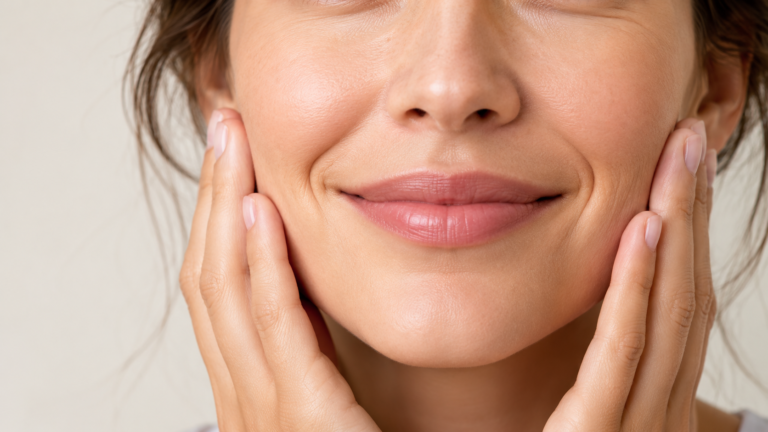
Glabellar lines—those vertical wrinkles between your eyebrows that look like “11”—show up when you frown, squint, or focus intensely. At first, you’ll probably only see them during these expressions, but after a while, they tend to stick around, even when your face is totally relaxed.
They’re just part of getting older, but they can make you look tired, worried, or kind of irritable, even when you’re not. The upside? There’s actually quite a bit you can do about them. If you catch them early, simple skin care can help. If they’re deeper, treatments like Botox or microneedling make a difference.
But with so many options floating around, how do you know what actually works? Can you really smooth out frown lines with facial exercises? And is there any way to keep those deep “11s” from showing up in the first place?
What Are Glabellar Lines?
Glabellar lines show up in the glabella—the patch of skin right between your eyebrows, just above your nose. These wrinkles are usually vertical and hardest to miss when you pull your eyebrows together, which is why people call them frown or eleven lines.
There are two types of these wrinkles:
Dynamic glabellar lines: These only appear when you’re actually moving your face—like frowning, squinting, or thinking hard. Your skin smooths out again once your face relaxes.
Static glabellar lines: These lines hang around whether you’re making expressions or not. They usually show up after years of using those facial muscles the same way, mixed with the usual aging skin changes.
Some people get just faint lines, while others develop deep furrows that are always there. Figuring out which type you have helps you pick the best way to treat them.
What Causes Glabellar Lines?
These lines show up for a few reasons, most of which have to do with how you move your face, how your skin changes over time, and your daily habits.
1. Repeated Facial Expressions
Every time you frown, concentrate, or squint, the muscles between your eyebrows contract and pull the skin with them. If you’re young, your skin usually snaps back into place. As time goes on, though, skin gets less elastic, so it doesn’t spring back as easily. Repeating those motions—hundreds of times a day—eventually leaves a mark.
2. Aging and Collagen Loss
Collagen and elastin give your skin its bounce and firmness. As we age, the body makes less collagen, and skin loses its ability to “bounce back.” That’s when those lines become more obvious.
3. Sun Exposure
Sunlight—specifically UV rays—breaks down collagen even faster. If you spend time in the sun without protection, not only do you get fine lines sooner, but they’re also likely to run deeper.
4. Genetics
Your family’s skin story matters. If your parents had strong frown lines early on, you might notice them, too.
5. Smoking and Lifestyle
Smoking ages skin quickly and damages its support structures. Not getting enough sleep, eating poorly, or skipping basic skincare can make anything that causes wrinkles move a little faster.
6. Squinting and Facial Tension
People who squint a lot—when they drive, read, or stare at screens—get into the habit of overusing those muscles. Repeat that enough, and the lines settle in.
Which Muscles Cause Glabellar Lines?
A few key muscles work together in this area:
Corrugator supercilii: These are the main culprits—they pull your eyebrows inward and downward.
Procerus: This one runs between your eyebrows and pulls the skin down, creating horizontal creases right above your nose.
Depressor supercilii: Pulls the inside edge of your eyebrows down when you make certain expressions.
The frontalis muscle, for reference, lifts your brows and creates the classic horizontal forehead lines—but not the glabellar (“11”) lines.
Glabellar Lines vs. Horizontal Forehead Wrinkles
| Glabellar Lines | Forehead Lines |
|---|---|
| Vertical wrinkles between the eyebrows. | Horizontal wrinkles across the forehead. |
| Caused mainly by the corrugator and procerus muscles. | Caused mainly by the frontalis muscle. |
| Develop when you frown or bring your eyebrows together. | Develop when you raise your eyebrows. |
| May appear as one or two vertical lines, often called eleven lines. | Usually appear as one or more horizontal forehead creases. |
| Can be treated with suitable muscle-relaxing and skin treatments. | May require different treatments based on muscle activity and skin condition. |
How to Reduce Glabellar Lines Naturally
If your lines are still faint, sticking to a good skincare routine can help. Natural methods won’t erase deep lines, but they can slow things down and make your skin look better overall.
1. Use Sunscreen
Sunscreen really is the MVP here. Use one with at least SPF 30 every morning, and don’t forget to put it between your eyebrows and across your forehead. Sunglasses help too—they mean less squinting and more protection for delicate skin.
2. Keep Skin Hydrated
When your skin’s dry, every little line stands out. A good moisturizer—something with hyaluronic acid, glycerin, ceramides, or niacinamide—can help your skin look smoother and fuller.
3. Add Retinol
Retinol (a form of vitamin A) speeds up cell turnover and boosts collagen. It can smooth fine lines and give your skin some resilience back. Start slow—maybe twice a week at night—and always pair it with sunscreen in the morning. Skip retinoids if you’re pregnant.
4. Live Healthy
What you do every day matters. Eat fruits and veggies, get your protein, stay hydrated, sleep well, skip cigarettes, and avoid unnecessary sun. These habits won’t erase deep lines, but they do prevent your skin from aging faster than it needs to.
How to Relax Glabellar Muscles
You can’t freeze your face, and you shouldn’t—but you can watch for unnecessary tension. Notice how often you unconsciously pull your brows together at the computer or while reading. Try things like relaxing your eyebrows consciously, increasing text size, adjusting screen brightness, or using sunglasses. Taking screen breaks and focusing on your breath can cut down on unconscious frowning. These tricks won’t reverse established wrinkles, but they can keep things from getting worse.
Do Facial Exercises Help?
There’s a lot out there about facial yoga and exercises for frown lines. Some people swear by gentle massage or active relaxation, but research doesn’t show that these exercises remove glabellar wrinkles. If anything, too many exaggerated expressions probably make things worse. Awareness is good, but skip the aggressive exercises.
Best Treatments for Glabellar Lines
If skincare and good habits don’t cut it, you have some professional options. What works depends on whether your lines are from muscle movement, changes in the skin itself, or both.
1. Botox
Botox is probably the most tried-and-true option for softening frown lines. It relaxes the muscles that create those “11” lines. A few small injections from a skilled professional, and within about a week, you’ll see smoother skin—often lasting three to four months. Botox works best for lines caused by muscle movement. Deep creases might not disappear entirely, but they’ll look better. Possible side effects include bruising and—rarely—temporary drooping.
2. Microneedling
Microneedling uses tiny needles to trigger healing and boost collagen. It helps with fine lines and skin texture. For deeper frown lines, professional microneedling can soften them, though it won’t relax the underlying muscles. Definitely best done by a professional.
3. Chemical Peels
Chemical peels take off that top layer of dull skin, so you get a fresher, smoother look. They’re great for smoothing fine lines and bumps, but they don’t get to the muscles that cause glabellar lines.
4. Laser Resurfacing
Laser Genesis is a non-invasive laser treatment that uses heat to stimulate collagen production and improve skin texture. Results can vary based on your skin type and the type of laser used. Laser treatments may help improve certain signs of skin aging, but they can also cause redness or changes in skin color. It’s a good idea to discuss these risks with a dermatologist before choosing a treatment.
5. Dermal Fillers
Fillers can sometimes lift deep wrinkles. In the glabellar area, though, doctors have to be extra careful—there are important blood vessels nearby, and a misplaced injection can lead to serious problems, even blindness. Fillers aren’t usually the first thing dermatologists recommend for this area.
Getting Rid of Deep “11” Lines
When frown lines stick around even at rest, they’re tougher to treat. Products alone won’t do much. A dermatologist might suggest:
- Botox for active muscle movement.
- Retinoids or skin resurfacing for fine static lines.
- A mix of Botox and resurfacing for deeper lines.
- Careful evaluation for real indented areas.
There isn’t a magic fix—personalized plans work best.
How to Prevent Glabellar Lines
You can’t avoid all wrinkles, but you can slow them down:
- Use SPF 30 (or higher) sunscreen daily.
- Wear sunglasses outdoors.
- Don’t smoke.
- Moisturize regularly.
- Consider retinol if your skin tolerates it.
- Practice relaxing your face.
- Eat well and get enough sleep.
- Stay away from tanning beds.
- Stick to gentle skincare that doesn’t irritate.
Honestly, being consistent beats buying every expensive anti-aging product out there.
FAQs
Q. What are glabellar lines?
Wrinkles between the eyebrows—usually vertical, and often called frown or eleven lines.
Q. How do you get rid of frown lines?
Start with sunscreen, moisturizer, and retinol. For deeper lines, Botox is the gold standard.
Q. Will these lines disappear by themselves?
Maybe a little when your face relaxes—if they’re mild. Deep, etched-in lines usually don’t go away on their own.
Q. Does Botox erase “11” lines?
It dramatically softens them by relaxing the muscles beneath the skin. Results last three to four months.
Q. Can retinol help?
Yes, for fine lines and texture. It doesn’t relax the muscles, though.
Q. Do facial exercises prevent frown lines?
There’s no solid proof. Gentle relaxation can help, but exercising the muscles won’t erase deep lines.
Q. Are glabellar lines the same as forehead wrinkles?
No—glabellar are vertical, between the eyebrows. Forehead lines run horizontally.
Q. Can you get these lines in your 20s?
Absolutely. Genetics, expressions, sun, and skin type can all play a role.
Q. Is microneedling good for them?
It helps with fine lines and texture, but won’t address the muscle contractions that cause frown lines.
Q. How long before you see results?
Moisturizer can help right away, retinol shows results in weeks or months, and Botox usually starts working within a few days.
Final Thoughts
Glabellar lines come with age, but you do have options. Daily sunscreen, moisturizer, and a solid skincare routine can slow their arrival. For deeper lines, professional treatments like Botox make the biggest difference.
No cream or gym-for-your-face routine will stop wrinkles forever. Take care of your skin, choose what really fits your needs, and always check in with a dermatologist before trying any cosmetic treatment. Go slow—your skin will definitely appreciate it.
References
- American Academy of Dermatology – Wrinkle Remedies
- American Academy of Dermatology – Retinoids and Retinol
- American Academy of Dermatology – Botulinum Toxin
- FDA – Microneedling Devices
Medical Disclaimer
This article shares information for educational purposes—it’s not medical advice, diagnosis, or treatment. If you have health questions or concerns, talk to a qualified healthcare professional. Don’t ignore or put off professional advice because of anything you read here.