Some people really love that sharp, “hollow cheeks” look, almost like a model. Then there are folks who get worried when their cheeks start to look sunken, thin, or just tired. Hollow cheeks happen for all sorts of reasons—sometimes it’s just your genetics, sometimes you lose weight, maybe it’s aging, maybe you have low body fat, or maybe it just comes down to your facial structure. Every now and then, health issues can play a role, too.
Social media has kind of made super-chiseled cheekbones and the “hollow face” trend ridiculously popular. But honestly, not every face is supposed to look ultra-slim. Some people are born with naturally fuller cheeks; others always have narrow, defined ones. That’s just the way things are.
So what exactly are hollow cheeks?
When the area under your cheekbones looks a bit sunken, you get that sculpted, angular vibe. People call it all sorts of things: hollow cheecks, hollowed cheeks, bony face, gaunt appearance, defined cheeks, or chiseled cheekbones. On the flip side, you’ve got full cheeks—sometimes called chubby cheeks, thick cheeks, or just “big cheeks.” Some folks have low cheekbones or wide, low cheekbones, which changes the whole “full vs hollow” thing.
Why do cheeks get hollow?
There’s no single answer. Lots of things affect how your cheeks look.
1. Genetics
Your bone structure matters a ton. Some people just naturally have high cheekbones, narrow cheeks, thin facial fat, or those famous hollow cheekbones. Others get big cheeks and low cheekbones passed down from family. If hollow cheeks run in your family, chances are you’ve got them, too.
2. Weight Loss
When you lose fat, your face usually shrinks a bit. That’s why people notice higher cheekbones or a hollowed face after dieting. Sometimes your jawline pops out more, or your cheeks go sunken. Occasionally, your body gets skinny but your cheeks stay thick—funny how that works.
3. Aging
Older skin loses collagen, facial fat tends to slip downward, the skin gets thinner, and cheeks lose volume. That leads to hollowing, saggy cheeks, and sometimes an almost emaciated look if things get extreme.
4. Low Body Fat
If you’re an athlete or bodybuilder, you know what super low body fat does—your cheekbones turn dramatic and “shredded.” But when you drop too low, your face might look unhealthy or tired, not just defined.
5. Big Masseter Muscle
A chunky jaw muscle (the masseter) makes your lower face wider and squarer. You can end up with hollow cheeks near the upper cheekbones, so the jaw and cheeks contrast pretty sharply.
6. Medical Conditions
Hollow cheeks and a gaunt face can be a sign of something deeper. Maybe it’s poor nutrition, rapid weight loss, eating disorders, dehydration, digestive problems, chronic illness, or dental issues. If your face suddenly looks hollow and you didn’t change anything, get it checked out—don’t just brush it off.
Hollow cheeks vs healthy, defined cheeks
Some people mix up “defined cheeks” with unhealthy hollowing. Here’s what separates them:
| Healthy Defined Cheeks | Unhealthy Hollow Face |
|---|---|
| Natural contour | Extreme sunken look |
| Skin looks good | Skin looks dull or tired |
| Balanced facial fat | Very low facial fat |
| Youthful look | Emaciated vibe |
| Subtle shadows | Deep hollows |
So you don’t need super dramatic hollow cheeks to look great.
Can young teens have hollow cheeks?
Definitely—it comes down to genetics and body type. Some teens just have narrower faces, less facial fat, and natural high cheekbones. But if a teen suddenly develops hollow cheeks, becomes weak or super tired, or drops a lot of weight, parents should talk to a doctor. Extreme dieting at that age is risky, plain and simple.
How to get hollow cheeks naturally
Yeah, people search for ways to “get hollow cheeks” or “look gaunt.” But don’t go overboard—trying to look “too hollow” isn’t healthy.
If you’re aiming for defined cheeks instead, here’s what works:
1. Reduce overall body fat
You can’t zap just cheek fat, but slimming down overall usually helps. Stick with healthy calorie control, regular walking, strength training, good sleep, and cut back on sugar. Your cheeks will slim down as your body fat drops.
2. Improve posture
A slouchy posture actually makes your jawline and cheeks look worse. Upright posture gives your cheekbones more definition and your face looks less puffy. It’s simple, but it really makes a difference.
3. Reduce water retention
Sometimes a puffy face is just water, not fat. Try drinking more water, cut out salty processed foods, get enough sleep, and dial back alcohol. You might see your cheeks deflate a bit.
4. Facial exercises
Honestly, science doesn’t totally agree here, but some folks say exercises help tone your cheek muscles. Things like cheek lifts, fish face moves, jaw stretches, or smiling resistance. Don’t expect miracles, but you might notice a little improvement.
How to get defined cheeks without looking sick
Here’s the thing: you want balance. Too hollow isn’t healthy, and there’s no point in chasing an extreme look.
These habits help define your cheeks in a healthy way:
- Maintain a healthy body fat percentage
- Eat enough protein
- Stay hydrated
- Build muscle
- Take care of your skin
- Sleep well
When you treat your body and skin right, your cheekbones will stand out naturally—and you’ll look good for real, not just online.
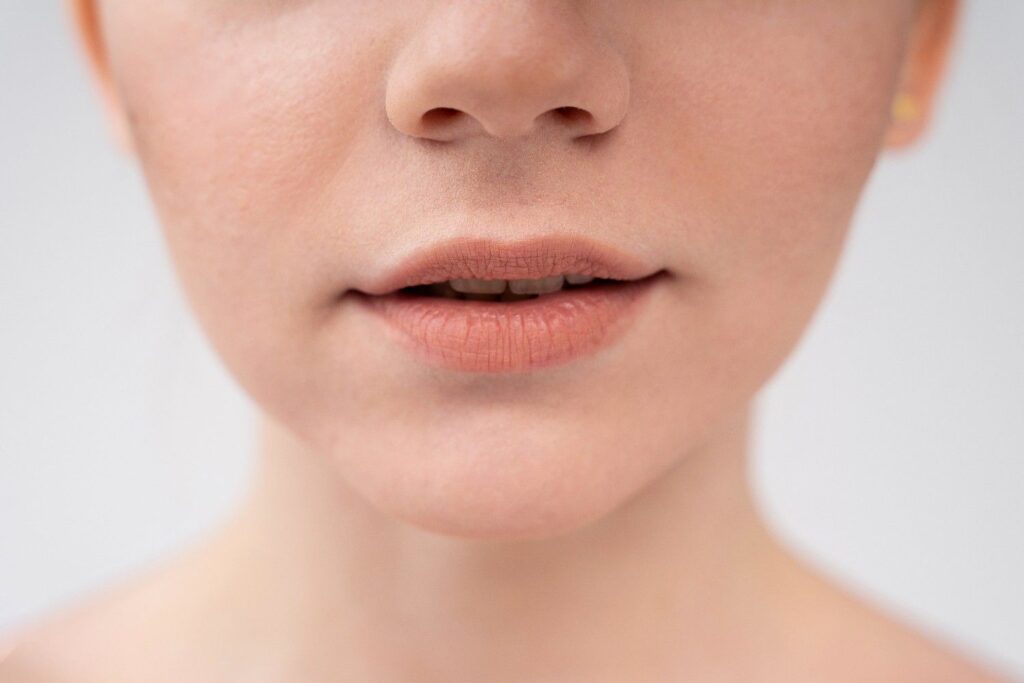
How to Reduce Chubby Cheeks
If you feel like your cheeks are too full, you’re not the only one. People ask every day how to slim their face, lose cheek fat, or just get rid of puffiness.
So—what actually helps?
1) Weight Management
Losing overall body fat leads to a slimmer face. There’s no shortcut here; as your body fat goes down, your face gets leaner too.
2) Cardio
Good old cardio—walking, cycling, running—helps burn fat across your entire body, cheeks included.
3) Cutting Down on Sugar and Alcohol
Both of these cause puffiness and bloating. Less sugar and less alcohol usually lead to a less puffy face.
4) Better Sleep
Bad sleep shows up on your face. People who sleep poorly tend to have puffier, more swollen cheeks.
What Doesn’t Really Work
Don’t waste time on:
- Magic creams that promise to “melt” cheek fat
- Spot-reduction gadgets or face massagers
- Extreme starvation or crash diets
- Chewing gum all day for “face exercise”
None of these deliver real, lasting results. And quick fixes aren’t safe.
How to Get Chubbier Cheeks Naturally
On the flip side—not everyone wants hollow cheeks. Lots of people actually wish their faces looked fuller and younger.
Try this:
- Keep a healthy weight (losing too much fat hollows the face)
- Eat nutritious foods—think healthy fats, vitamins, and minerals
- Drink plenty of water
- Use skincare that supports collagen
- Don’t smoke
- Take medical issues seriously—see a doctor if you’re losing facial fat for no reason
A little facial fat usually makes people look fresh and youthful.
Can You Get Cheekbones Naturally?
People wonder if it’s possible to “get” cheekbones. Truth is, most of your face shape is set by your bones—genetics decide a lot. But you can make your cheekbones look more defined:
• Lose excess facial fat
• Keep a good posture (it actually helps!)
• Use makeup contour and highlights
• Care for your skin
But no cream, trick, or exercise will change your bone anatomy naturally.
Makeup Tricks for Hollow Cheekbone Look
The “model cheekbone” look—sharp, hollow cheeks—gets tons of attention online. Makeup artists do this with:
• Contour right below your cheekbones
• Blush high on your cheeks
• Highlight on top of cheekbones
You don’t need surgery. With a little makeup, you can fake the look for a night out.
Hollow Cheeks Plastic Surgery for Men and Women
Some people turn to cosmetic procedures for a more dramatic effect.
1. Buccal Fat Removal
Surgeons take out some fat from your cheeks for a slimmer, more sculpted look. It’s popular with men chasing jawlines and people with naturally round faces. Results last forever—sometimes too much fat removal makes people look older down the line.
2. Dermal Fillers
This is funny—plenty of people actually add cheek fillers because their cheeks are too hollow. Fillers give back volume, make you look less gaunt, and balance your face.
3. Cheek Implants
If you want stronger, more defined cheekbones, implants are an option. These give your face permanent structure.
When Hollow Cheeks Signal a Health Problem
Sometimes, hollow cheeks aren’t a look—they’re a symptom. Check in with your doctor if you notice sudden fat loss in your face, weakness, fatigue, trouble eating, or rapid weight loss. These could be signs of something serious.
Hollow Cheek Myths
Myth: Hollow cheeks always look good.
Some people end up looking tired or sick, not glamorous.
Myth: Face exercises burn cheek fat.
Sorry—spot fat reduction is a myth, and there’s not much science behind it.
Myth: Anyone can get model cheekbones.
Face shapes are mostly genetic. No magic solution will give everyone sharp cheekbones.
Myth: Chubby cheeks look bad.
Actually, plumper cheeks often make people look younger and healthier.
The Psychology Behind Facial Trends
Beauty standards change all the time. Full cheeks were in years ago—now everyone wants hollow cheeks and jawlines sharp enough to cut glass. Social media filters make things worse by boosting cheekbones that no one really has.
Real faces aren’t all sharp lines—there’s softness, fat, and little imperfections. That’s normal.
Final Thoughts
Sure, hollow cheeks can look striking or dramatic. But they’re just one style—you can have high cheekbones or chubby cheeks, a thin face or a round one, and none of them are better or worse.
If you want more defined cheeks, focus on staying healthy: good food, exercise, decent posture, and skincare do more for your face than risky diets or extremes.
In the end, the healthiest look is a face that’s full of energy and life—not one that’s gaunt or sculpted beyond what’s natural.
Medical Disclaimer
This article shares information for educational purposes—it’s not medical advice, diagnosis, or treatment. If you have health questions or concerns, talk to a qualified healthcare professional. Don’t ignore or put off professional advice because of anything you read here.