If your jawline’s starting to look a bit softer, or you see loose skin hanging out along your lower cheeks and chin, you’re probably noticing what folks call jowls.
Almost everyone gets jowls eventually. They’re not some kind of health crisis—just a normal part of how the lower face changes over time. Yes, getting older is a big reason, but it’s definitely not the only one. Genetics, years of sun, smoking, weight shifts, the way your face is built, and how facial fat moves around all play a part. Some people spot early jowls in their twenties or thirties, while others don’t notice much until later.
The upside? There are plenty of ways to tackle sagging jowls. The best choice depends on whether you’re facing loose skin, extra fat, lost volume, or some combo.
Let’s dig into what jowls actually are, why they show up, how you can tell they’re starting, and what you can do to prevent or treat them.
What Are Jowls?
Jowls are basically sagging skin and soft tissue that droop along your lower cheeks and jawline. They make the lower face look heavier or maybe just a little less sharp. If you’re wondering where exactly they appear, think about the spot where your cheek meets your jaw—when things start to hang down there, that’s a jowl. For some, jowls are hardly visible unless you turn your head. For others, the sagging is pretty obvious.
People describe them as:
– A sagging jawline
– Droopy skin around the mouth
– Loose skin under the chin
– A softer, less defined chin and jaw
Jowls aren’t a medical issue—just a cosmetic sign of aging and everything else that messes with facial structure.
What Causes Jowls?
There’s no single culprit. Jowls show up because the skin and tissue in your lower face go through a bunch of changes, sometimes all at once.
1. Getting Older & Losing Elasticity
Aging is a biggie. Your skin is held together by proteins called collagen and elastin. As you age, your body produces less collagen, and your skin doesn’t snap back the way it used to. The stuff underneath also shifts, so skin and soft tissue drop lower, leading to sagging jowls.
2. Changes in Facial Fat
Fat in your face doesn’t just disappear—it moves around, loses volume in some places, gathers in others. This imbalance makes jowls stand out more. To clarify: “jowl fat” and “loose skin” are separate problems. If too much fat is creating fullness, reducing it can help, but getting rid of fat doesn’t automatically tighten loose skin.
3. Genetics
Are jowls genetic? For sure. Your genes decide things like:
– Skin thickness and elasticity
– Where facial fat hangs out
– Jaw and chin shape
– Bone structure
– How quickly you see signs of aging
That’s why two people the exact same age might look totally different. If your parents had jowls early, you’ve probably got a higher chance too, but you’re not doomed.
4. Sun Exposure
Years in the sun break down collagen and elastin, which leads to early wrinkles and sagging. Want to avoid premature jowls? Protect your face and neck with sunscreen, hats, and shade whenever you’re outside.
5. Smoking
Smoking speeds up skin aging. It messes with blood flow and damages collagen. If you’re worried about early jowls, ditch the cigarettes before dropping hundreds on jawline creams.
6. Weight Gain & Weight Loss
Big changes in your weight mess with your face. Gaining weight can puff things up, but losing a lot might leave you with loose skin. Some people get jowls after losing weight. On the flip side, if fat was causing the fullness, slimming down can help sharpen your jawline, but it’s not guaranteed.
So, do jowls go away with weight loss? Sometimes yes, if fat was the main problem. If it’s loose skin, more weight loss won’t help and might even make things worse.
Spotting Early Jowls
Early jowls are the barely-there changes before the sagging really sets in:
- Jawline isn’t as crisp
- A bit of fullness beside your chin
- Mild drooping on the cheeks
- Softer corners near your mouth
- Slight skin looseness along the jaw
- Jaw and neck blend together more
Don’t stress too much—your bone structure might make these changes pop sooner than they do for other people.
Can You Get Jowls in Your 20s?
Yes, but age-related jowls are rare at that age. If you’re thinking, “Why do I have jowls at 20 or 25?” it’s probably genetics, your basic anatomy, fat distribution, or lifestyle stuff. Sometimes, what looks like jowls isn’t loose skin at all. Maybe you have a softer chin or fuller cheeks. If you’re worried, a dermatologist can tell you what’s up.
What Do Jowls Look Like?
Everyone’s jowls look a bit different. Usually, you’ll see:
- Small pouches on the jawline
- Drooping beneath the cheeks
- Soft tissue hanging over the jaw
- Sagging near the corners of the mouth
- A heavier lower face
- Loss of a sharp jawline
Photos can be tricky since lighting and angles can totally change how your jawline looks.
Does Biting Your Cheeks Cause Jowls?
Nope. Practical evidence says biting your cheeks doesn’t add to jowls. It might bother the inside of your mouth, but that’s not the same as having sagging skin.
Preventing Jowls
You can’t totally stop age-related jowls—aging and genes are what they are. Still, you can do a few things to slow down the process.
1) Protect Your Skin
Sunscreen is your friend. Use a broad-spectrum one, and don’t forget your neck.
2) Don’t Smoke
Steer clear. It’s bad for your skin—period.
3) Keep a Stable, Healthy Weight
Avoid wild crash diets and yo-yo weight changes. Lose weight gradually if that’s your goal.
4) Stick to a Simple Skincare Routine
All you need is:
– Gentle cleanser
– Moisturizer
– Sunscreen
– Retinol (or another retinoid if your skin can take it)
Retinoids boost collagen and help combat signs of aging. If you’re unsure, check with a doctor.
Getting Rid of Jowls
Looking for ways to get rid of jowls? Set realistic goals. There isn’t a magic fix that works for everyone. Treatments depend on what’s causing your jowls.
1- Skincare
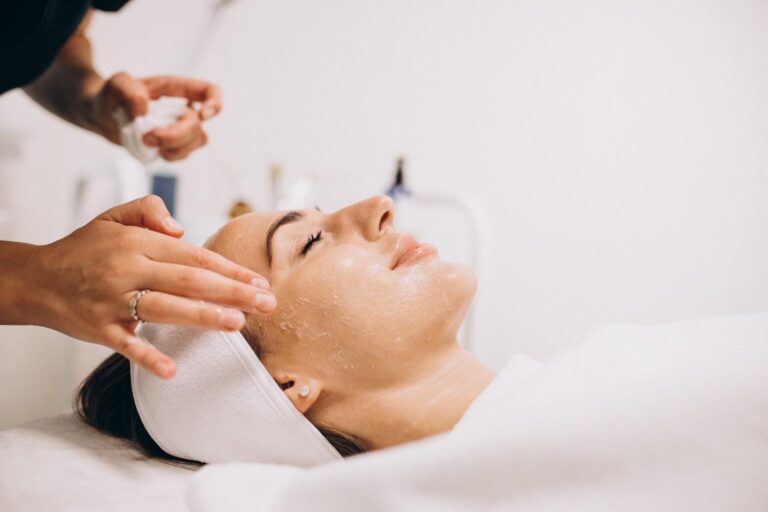
Good skincare helps your skin look better but won’t remove major loose skin. Retinoids help a bit with collagen, and sunscreen prevents further damage.
2- Facial Exercises
You’ve probably seen videos promising jawline miracles. Evidence is thin. Some small studies show minor improvement, but don’t expect to erase jowls through exercise alone.
3- Professional Nonsurgical Treatments
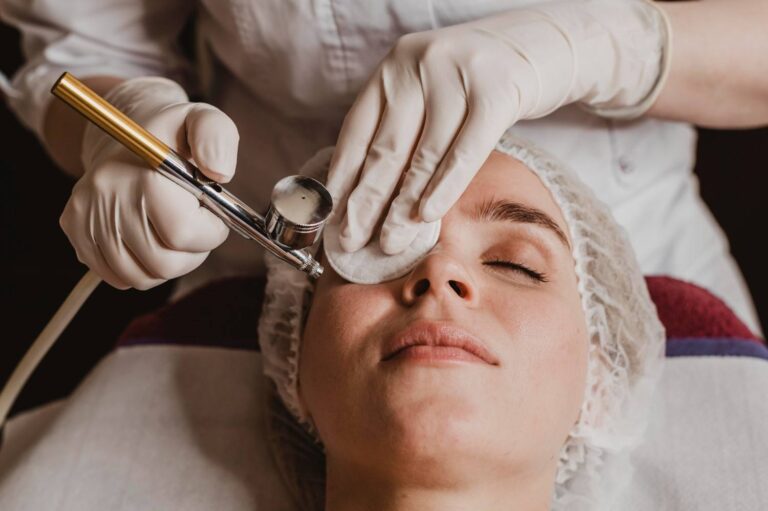
As for treatments, if your sagging is mild to moderate, you’ve got a few good options. Radiofrequency, RF microneedling, ultrasound, and some laser treatments can help tighten the skin and boost collagen. There’s also Facetite, which is another radiofrequency treatment. It’s especially helpful for a bit of looseness around the jawline or neck.
4- Dermal Fillers
If lost volume is making things worse, fillers can restore balance in the cheeks or chin. They’re not for everyone and carry risks like swelling, bruising, infection, and more, so always see a pro.
5- Fat Reduction
When extra fat’s the issue, some providers suggest fat-reduction options. Remember, removing fat doesn’t tighten skin. If you already have loose skin, taking away more fat won’t magically carve a jawline.
Best Treatments for Sagging Jowls
The best fix depends on your main problem. For minor changes, skincare and nonsurgical tweaks might help. Major jowling? You’ll probably need a combo—sometimes surgery.
1) Facelift
A facelift lifts and tightens the lower face and jowl area by moving around skin and tissue. It’s for those with significant sagging.
2) Neck Lift
Got sagging neck skin and jowls? A neck lift hones in on loose neck skin, jowls, and fat under the chin. It’s best for folks whose jawline and neck are both losing definition.
A board-certified plastic surgeon can help you decide what makes sense.
Can You Reverse Jowls?
You can definitely improve how jowls look, but erasing them completely isn’t always possible. Results depend on your age, skin elasticity, how much loose skin you have, facial fat, bone structure, genetics, weight history, and the treatment you try.
Jowls vs. Double Chin
Jowls and double chin aren’t the same. Jowls hit the lower cheeks and jawline; double chin is extra fullness under your chin. You can have one, both, or neither. Each needs different approaches.
When to See a Pro
Most people worry about jowls for looks, not health. But see a doctor if:
- You notice a sudden change
- One side looks very different
- You’ve got pain, swelling, or lumps
- You feel weakness or numbness
- You’re thinking about fillers, fat reduction, or surgery
- You’re not sure what’s going on
A dermatologist or plastic surgeon will check your face and figure out what’s really causing the sagging.
Frequently Asked Questions
Q. What are jowls on a human?
Sagging or drooping soft tissue along the lower cheeks and jawline—usually more obvious as you get older.
Q. What causes sagging jowls?
Aging, loss of skin elasticity, shifts in facial fat, genetics, years of sun, smoking, weight swings, and changes in facial structure.
Q. Are jowls genetic?
Yes, genes play a big part in how and when they show up.
Q. Why do I have jowls at 20?
It’s probably genetics, facial anatomy, fat distribution, weight changes, or skin characteristics. Age-related sagging is rare that young.
Q. Can you get rid of jowls naturally?
Healthy habits and good skincare help, but you can’t reliably remove big chunks of loose skin this way.
Q. Do jowls go away?
Minor jowls can fade if you change weight or facial fullness, but loose skin rarely disappears on its own.
Q. What helps sagging jowls?
Sun protection, proper skincare, good habits, and certain cosmetic treatments help—surgery works best for significant sagging.
Q. How do you prevent jowls?
You can’t totally prevent them, but protect your skin from sun, avoid smoking, keep a stable weight, and use evidence-backed skincare.
Q. Does biting your cheeks cause jowls?
No, biting your cheeks doesn’t cause jowls, though it can irritate your mouth.
Q. What is jowling?
It’s the look or development of sagging skin along your lower cheeks, jawline, and chin.
The Bottom Line
Jowls are just a regular sign of facial aging. Aging, genetics, sun, smoking, weight, shifting facial fat, skin elasticity, and your bone structure all play a role.
Seeing early jowls in your twenties or thirties doesn’t mean anything’s wrong—it’s probably your genetics or the way your face is built.
Your best move is to figure out what’s really behind the change. For mild jowling, sun protection, good skincare, healthy habits, and some nonsurgical treatments may help. If you’ve got a lot of loose skin, a facelift or neck lift is usually the most dramatic fix.
And hey, don’t fall for every product or jaw exercise promising to erase jowls overnight. Your face is complex—a mix of skin, fat, muscle, tissue, and bone. Improving it means understanding all the pieces, not just tugging on the skin.
References
- American Academy of Dermatology (AAD) – How Dermatologists Treat Sun-Damaged Skin
- U.S. Food and Drug Administration (FDA) – Dermal Filler Do’s and Don’ts
- American Society of Plastic Surgeons (ASPS) – Facelift Procedure
- American Society of Plastic Surgeons (ASPS) – Neck Lift
- Medical News Today – Jowls: Exercises, Causes, Treatment, and Prevention
Medical Disclaimer
This article shares information for educational purposes—it’s not medical advice, diagnosis, or treatment. If you have health questions or concerns, talk to a qualified healthcare professional. Don’t ignore or put off professional advice because of anything you read here.