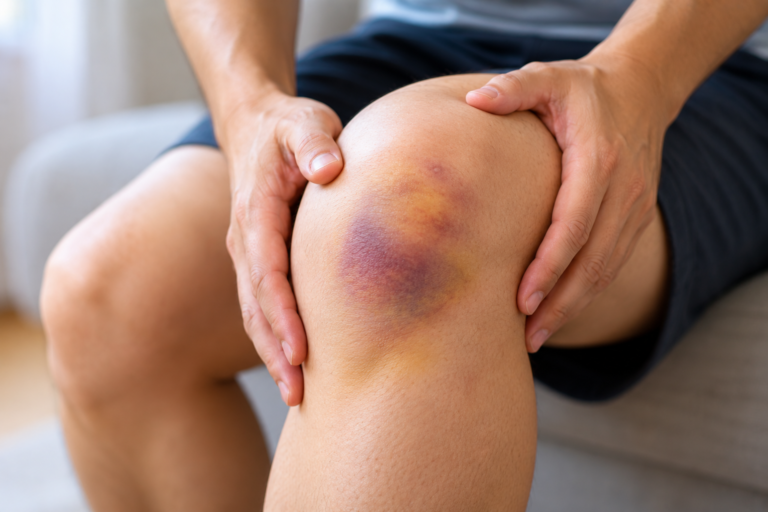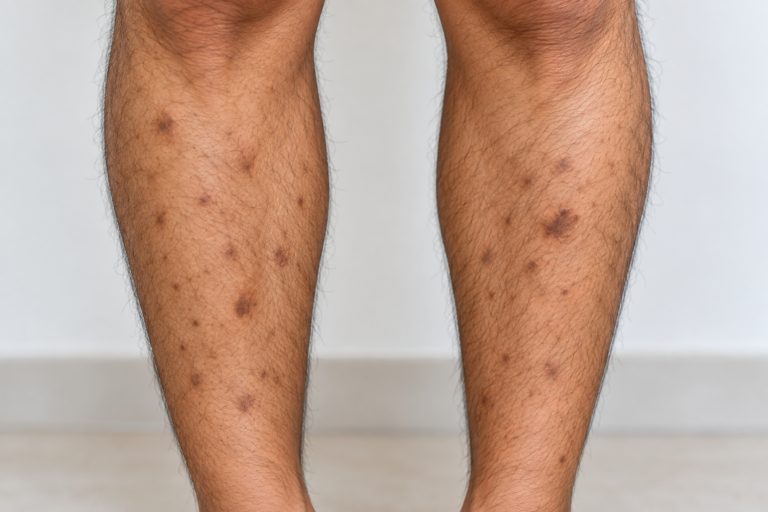
A knee that suddenly swells up, feels hot, and hurts like crazy? Yeah, that’ll freak anyone out. Most people just assume it’s from a twisted ligament, arthritis acting up, or maybe you pushed yourself too hard at the gym. But here’s something a lot of folks don’t think about—gout in your knee.
Gout’s not just an old-fashioned problem with toes. It’s an inflammatory type of arthritis that happens when uric acid crystals pile up inside a joint. Your body sees these tiny, sharp crystals and basically freaks out, dialling up inflammation. Most people picture gout striking the big toe, but it can totally attack bigger joints, like the knee. And when it does, the pain gets intense, fast—swelling, redness, stiffness, and even making it hard to walk.
With knee gout, the pain can show up out of nowhere, sometimes in the middle of the night. It doesn’t wait around either; it ramps up pretty quick. But here’s the good news: with the right diagnosis, treatment, and a few lifestyle tweaks, you can keep gout in check and dodge those painful flare-ups down the line.
What’s Really Happening with Gout in the Knee?
Gout in the knee is just what it sounds like: uric acid crystals settle inside the knee joint and light up inflammation.
Your body churns out uric acid when it breaks down purines—substances found in certain foods and drinks. Normally, your kidneys do the clean-up job and flush the excess out via urine. But the trouble begins when either your body makes too much uric acid, your kidneys can’t handle the load, or uric acid hangs around at high levels for way too long.
When the uric acid tips over into the “too much” zone, those needle-shaped crystals start forming and nest in your joints. Then they irritate the lining and wake up your immune system, which sends a wave of inflammation.
What does that feel like? Think burning, stabbing knee pain, a joint that’s red, swollen, warm, stiff, and suddenly hard to move.
People tend to think gout only happens in the big toe, but nope—it can show up in your knee, ankle, wrist, finger…even your elbow.
Can You Really Get Gout in Your Knee?
Absolutely—you can get gout in your knee. It’s not just a toe thing. Uric acid crystals don’t care which joint they invade, and the knee is pretty inviting thanks to all that synovial fluid.
A gout attack can hit the main knee joint, around the kneecap, the sides, or just nearby soft tissue.
People often ask, “Can gout affect your knee?” or “Where does gout show up on knees?” It’s all the same—uric acid crystal deposits, inflammation, and pain.
What Brings on Knee Gout?
The real culprit is the buildup of uric acid crystals, but a bunch of things can make you more likely to get it.
1. High Uric Acid Levels
Top risk? High uric acid in your blood. But having high uric acid doesn’t guarantee you’ll get gout. Some folks walk around with elevated levels, totally symptom-free. Gout happens when the excess turns into crystals and sparks inflammation—joint pain, swelling, repeat attacks, and eventually long-term joint trouble.
2. Diet and Lifestyle
A diet heavy in purines (like red meat, liver, certain seafood, beer, or sugary drinks) boosts uric acid production. But it’s not just about one dinner—genetics, kidney health, your weight, and your overall lifestyle all factor in.
3. Kidney Trouble
Your kidneys are supposed to clear out uric acid. If they’re not doing their job—maybe because of kidney disease—the uric acid backs up and gives crystals time to form.
4. Family History
Genes play a role too. If gout runs in your family, your odds go up.
5. Other Health Problems
Carrying extra weight, dealing with high blood pressure, diabetes, heart disease, metabolic syndrome, or kidney disease—all these can mess with uric acid production and removal.
Symptoms—What’s a Gout Attack in the Knee Like?
Gout strikes fast and hard. Unlike the slow ache of regular knee pain, gout attacks often take people by surprise.

1. Sudden, Severe Knee Pain
This pain is brutal. It can make walking, standing, stairs, and even sleep nearly impossible. Burning, stabbing, throbbing—everyone describes it a bit differently, but it always hurts.
2. Swelling
Your knee balloons up. It looks bigger than normal, the skin might look stretched and shiny, and moving it gets even tougher. Inflammation pulls extra fluid into the area.
3. Redness and Heat
The knee feels hot and looks red. It can get tender and you won’t want anyone touching it. That heat is your immune system reacting to the crystals.
4. Stiffness and Limited Movement
It gets tough to bend or straighten your knee or just put weight on it. Sometimes it just feels heavy, uncomfortable, and wrong.
5. Nighttime Pain
A lot of people wake up in the middle of the night with gout pain. You go to bed fine, wake up with your knee on fire.
How Long Does Knee Gout Last?
People always ask: “How long is this gonna last?” It depends on how bad the attack is, how quickly you start treatment, your uric acid levels, and if you’ve had gout before.
Usually, a gout attack sticks around for a few days to up to two weeks if you don’t treat it. How long a gout attack lasts can vary depending on the severity of symptoms, how quickly treatment begins, and your overall health. The worst pain happens in the first day or two, then things ease up slowly.
What’s the usual pattern? Fast onset, then peak inflammation (swelling, pain, heat), and finally, gradual recovery. If you don’t treat ongoing attacks, they’ll get more frequent, and the joint can wind up damaged.
How Do Doctors Figure Out If It’s Gout in Your Knee?
There’s no guessing here. Since plenty of things cause knee pain and swelling, doctors need to pin down what’s really going on.
1. Joint Fluid Test
This one’s a classic. The doctor takes some fluid from your swollen knee and looks for uric acid crystals under the microscope. It also helps rule out infections or other issues.
2. Blood Uric Acid Test
A blood draw checks your uric acid levels. High numbers tip the odds toward gout, but normal levels don’t rule it out. Doctors use symptoms, exam findings, and test results to make the call.
3. Ultrasound
Ultrasound can spot crystal deposits, inflammation, and fluid around the joint.
4. CT Scan
Special scans (dual-energy CT) sometimes show uric acid crystals inside joints.
How’s Gout in the Knee Treated?
The goal is twofold: knock out the pain during an attack and prevent flare-ups later. Treatment depends on your symptoms, how often you get attacks, and your health history.
Medications for Gout Attacks
1) Anti-inflammatory Meds
Doctors start you on medicines to tackle pain, swelling, and inflammation. Usually it’s NSAIDs, colchicine, or corticosteroids. These work by controlling the body’s over-the-top response to those uric acid crystals.
2) Rest and Cold Packs
While your knee’s flaring up, you’ve got to take it easy. Avoid putting extra weight on it, skip activities that hurt, and rest as much as possible. An ice pack (wrapped up so it doesn’t touch your skin directly) can help ease pain and swelling.
Long-Term Drugs to Prevent Gout
If you get gout attacks all the time, doctors prescribe meds to lower uric acid for the long haul. Common choices include:
- Allopurinol (reduces uric acid production)
- Febuxostat (also lowers uric acid)
Don’t mess with these meds unless your doctor gives you the all-clear.
Home Remedies and Lifestyle Changes
These aren’t magic, but they help:
1) Drink Water
Staying hydrated helps your kidneys do their job.
2) Keep Your Weight in Check
Losing extra pounds reduces uric acid and lessens stress on your knees.
3) Eat Right
Load up on veggies, fruit, whole grains, low-fat dairy, and healthy protein.
4) Avoid Triggers
Cut back on alcohol, sugary drinks, and high-purine foods.
Preventing Future Attacks
Dealing with flare-ups is one thing—preventing them is the real victory.
1) Check Your Uric Acid Regularly
Your doctor should monitor your levels.
2) Exercise (Carefully)
Gentle activities like walking, swimming, or biking are good for joints. Just skip intense workouts if your knee’s currently inflamed.
3) Take Prescribed Meds
Don’t stop your gout drugs without talking to your doctor; quitting suddenly raises the risk for more attacks.
Quick FAQ
Q. Can you get gout in your knee?
Yep. Uric acid crystals can hit your knee joint and stir up painful inflammation.
Q. What does gout in the knee feel like?
Sudden sharp pain, swelling, redness, warmth, stiffness, and trouble moving.
Q. How long will a gout attack last?
Anywhere from a few days up to two weeks, depending on how bad it is and if you treat it.
Q. Can uric acid actually cause knee pain?
It sure can—when uric acid forms crystals and triggers inflammation, your knee pays the price.
Q. Is gout just regular arthritis?
Nope. Gout’s a type of inflammatory arthritis, but it’s totally different from common “wear and tear” arthritis like osteoarthritis.
Final Thoughts
Gout in the knee hurts—a lot—but the condition’s manageable. Don’t just chalk up a swollen, painful knee to aging or regular wear and tear. Early diagnosis, the right meds, controlling your uric acid, and sticking to healthy habits all help you stay ahead of it.
And if your knee keeps swelling up or hurting for no clear reason, don’t brush it off. Go see your doctor and get checked out.
References
- National Institute of Arthritis and Musculoskeletal and Skin Diseases (NIAMS).
Gout: Diagnosis, Treatment, and Steps to Take
- Centers for Disease Control and Prevention (CDC).
Gout: Causes, Risk Factors, and Management
- Mayo Clinic.
Gout: Symptoms and Causes
- Cleveland Clinic.
Gout: Symptoms, Causes, Treatment, and Prevention
- MedlinePlus (U.S. National Library of Medicine).
Gout Information
- Arthritis Foundation.
Gout: Causes, Symptoms, and Treatment Options
- American College of Rheumatology (ACR).
Gout Clinical Guidelines
Medical Disclaimer
This article shares information for educational purposes—it’s not medical advice, diagnosis, or treatment. If you have health questions or concerns, talk to a qualified healthcare professional. Don’t ignore or put off professional advice because of anything you read here.