Getting stitches isn’t exactly a fun experience. Whether it’s after surgery, an accident, or a dental procedure, you’re left with all kinds of questions—one of the biggest being, “How long do dissolvable stitches last?” Honestly, knowing this stuff makes recovery a whole lot less nerve-wracking.
Dissolvable stitches are a bit different from the old-school ones your doctor has to take out. These break down naturally inside your body. They keep everything closed while new tissue forms, then slowly disappear. Still, people get anxious when they see a loose stitch, notice a bump near their wound, or find a thread sticking out. It’s easy to wonder if everything’s okay, or if something’s gone wrong.
What Exactly Are Dissolvable Stitches?
You might hear doctors say “absorbable sutures,” but they’re talking about dissolvable stitches. These are special threads your body can take care of on its own, breaking them down as you heal. Doctors use them to close up wounds from surgery, injuries, after childbirth, or dental work—pretty much anywhere removing stitches would be a pain.
Here’s where dissolvable stitches usually show up:
- Internal surgeries
- Deep cuts
- C-section incisions
- Getting your wisdom teeth out
- Gum surgery
- Plastic surgery
- Hernia fixes
- Orthopedic operations
Their main job? Keep the wound closed while your body builds enough strength to take over.
Dissolvable vs. Regular Stitches
A lot of people aren’t sure what separates absorbable stitches from the ones you need removed.
| Feature | Dissolvable Stitches | Regular Stitches |
|---|---|---|
| Need removal | Nope, not usually | Yep |
| Used inside the body | Common | Rare |
| Dissolve naturally? | Definitely | Not a chance |
| Removal appointment? | Usually unnecessary | Required |
| Good for deep wounds? | Absolutely | Sometimes |
Both types work, but your surgeon just picks what’s right for your wound and your recovery.
Stitches vs. Sutures—Is There a Difference?
People throw around the words “stitches” and “sutures” like they’re the same thing. Here’s the technical scoop:
“Suture” is the thread itself.
“Stitch” is the loop made as the thread goes through your skin or tissue.
But honestly, in everyday talk, nobody cares—they mean the same thing.
What Are Dissolvable Stitches Made Of?
Modern dissolvable stitches are built to break down safely inside your body. Some are made from stuff like animal collagen; others are synthetic. Here are the common ones:
Vicryl gets picked a lot. It’s strong and works well for general surgery, gynecology, and closing skin.
Monocryl feels smooth and flexible, which makes it a favorite for facial wounds or any cosmetic work—helps keep scars looking tidy.
PDS hangs in there for months. You’ll see it used in abdominal surgeries, orthopedics, or deep tissue repairs.
Chromic Gut comes from purified collagen. Dentists use it, gynecologists use it, and it’s handy for some internal repairs too.
Each kind dissolves at its own speed, depending on where it’s placed and how much support is needed.
How Dissolvable Stitches Actually Work
Think of them as temporary scaffolding. Stitches hold your wound together while your body patches things up. As new tissue forms, the stitches start to dissolve and weaken. Soon enough, they’re gone, leaving you with a closed-up, healing wound.
Internal vs. External Dissolvable Stitches
Not all dissolvable stitches are visible from the outside.
1) Internal Dissolvable Stitches
Internal ones are buried under the skin, closing muscles, fat, or organs. You usually can’t see them, but sometimes you’ll feel a bit of tightness or firmness as you heal.
2) External dissolvable stitches
External dissolvable stitches sit on top of your skin. They’re often used for facial cuts, finger injuries, small surgical procedures, or kids’ wounds. You might see them sticking around for several weeks before they loosen and fall out.
Why Doctors Pick Dissolvable Stitches
Sometimes removing stitches just isn’t practical—maybe it’s deep inside you, or you’re a kid, or your surgery needs long-term support. They also cut out an extra appointment for stitch removal, which is always a plus.
How Long Do Dissolvable Stitches Last?
This is the question everyone’s itching to ask. The answer? It varies. Some dissolve in a week or so, others linger for months. It depends on:
– What the stitch is made of
– Where your wound is
– The type of surgery
– Your health and healing speed
Mouth stitches go away faster than abdominal ones, for example.
Typical Dissolving Timeline
Everyone heals a bit differently, but here’s a rough idea:
| Stitch Type | When It Dissolves |
|---|---|
| Facial stitches | 5–10 days |
| Mouth stitches | 7–21 days |
| Chromic gut | 2–6 weeks |
| Vicryl | 6–10 weeks |
| Monocryl | 3–4 months |
| PDS | Up to 6 months |
Dissolving isn’t the same as healing. Your wound usually improves long before the stitch vanishes.
Internal Dissolvable Stitches: How Long Are They Around?
Internal stitches mostly stick around longer than the ones on your skin. Deep tissues need more time and support. You’ll notice improvements over a few weeks, but full healing can take months.
Recovery might look like this
Week 1: Swelling is highest; stitches do their main job; you’ll likely feel some discomfort.
Weeks 2–4: New collagen forms; pain lessens; incision gets stronger.
Weeks 4–8: Most folks get back to normal with their doctor’s okay; stitches start losing strength.
Months 2–6: Leftover stitch material dissolves; deeper tissues get even stronger.
You might feel good before you’re fully healed. There’s still work happening underneath.
When Do Stitches Heal vs. Dissolve?
People often think stitches vanish as soon as the wound heals—not true. Healing usually finishes first, stitches just stick around long enough to support everything.
| Area | Heals Initially | Full Healing Time |
|---|---|---|
| Face | 5–10 days | 6–12 months |
| Hands | 10–14 days | 2–3 months |
| Legs | 2–3 weeks | 3–6 months |
| Abdomen | 2–4 weeks | Several months |
| Internal | Several weeks | Several months |
Scars can keep improving for a year.
Do Dissolvable Stitches Fall Out?
Sometimes, yes. Some fall out on their own; others break into tiny pieces; some dissolve silently underneath. You might spot a loose thread while showering—usually totally normal. Don’t tug at it, though. It might still be doing its job.
How Do You Know if You Have Dissolvable Stitches?
You probably do if:
– Your doctor said no removal needed
– Your aftercare info mentions absorbable sutures
– You had internal or dental surgery
– You didn’t get a removal appointment
If you’re unsure, just ask your doctor. Don’t assume all stitches dissolve.
Can You Feel Internal Stitches?
Yep. A lot of folks feel tightness, mild pulling, some firmness, quick sharp pains, or itching. That’s pretty normal and usually fades as you heal. Occasional pulling doesn’t mean anything’s wrong.
What Does Healthy Healing Look Like?
Normal signs:
- Mild redness
- Slight swelling
- Some bruising
- Itching
- Gradually less pain
- Closed incision
These should get better week by week. If things suddenly get worse, call your doctor.
Why Are Your Dissolvable Stitches Sticking Out?
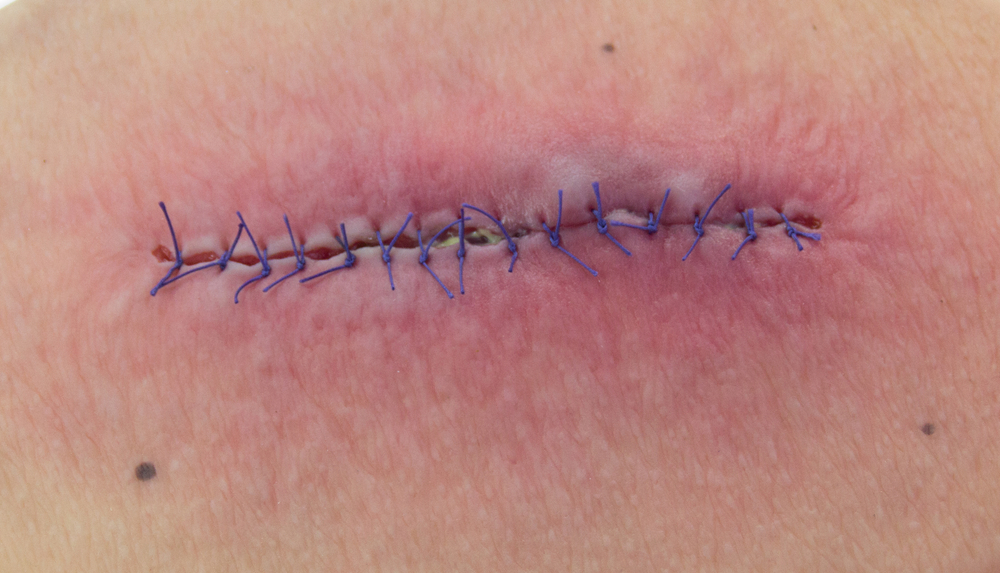
It happens—a thread or knot might poke out as your body absorbs it (doctors call it a “spitting suture”). Especially common after C-sections, hernia repairs, surgeries below the skin, or plastic surgery. If everything else looks healthy and there’s no pain or gunk, don’t stress. And don’t pull it out yourself—a nurse or doctor can trim it if needed.
Internal Stitches Poking Through
Some people freak out when they spot a stitch at the surface. Usually, it’s just the end of the thread working its way out, not coming from somewhere deep inside.
When to Get Your Wound Checked
Get your wound checked if you notice:
- Rising redness
- Swelling
- Pus
- Fever
- Wound opening
- Severe pain
For the most part, a little visible stitch isn’t a big deal.
What if Dissolvable Stitches Aren’t Disappearing?
It’s pretty normal if yours are still hanging around after several weeks. “Dissolvable” can be misleading since stitches dissolve at different speeds. Sometimes they’re gone in two weeks, sometimes after a few months. The specific material, location, your health, blood supply, even things like smoking or diabetes, all affect how fast this happens.
If your stitches are made from something slow-dissolving like PDS or Vicryl, it’s totally normal to see them after six weeks.
Dissolvable Stitches Still There After 6 Weeks?
It’s not out of the ordinary. Deeper or bigger surgeries mean stitches stick around. But if it’s painful, not healing, bleeding, red, or catching on anything—talk to your doctor. Never take it out yourself.
Small Bumps Around Stitches
Feeling a small bump under your scar is actually common. It’s usually healing tissue, a buried knot, mild inflammation, or a stitch moving toward your skin. These bumps shrink over time. But if it grows, hurts, or drains, get it checked.
Feeling Internal Stitches
Most folks notice weird sensations: tightness, pulling, burning, tingling, itching, or sharp quick pains. Nerves are repairing. These feelings fade as you heal.
Can You Feel a Stitch “Pop” Inside?
Sometimes people notice a little pop. Most of the time, it’s just normal tissue moving. But if you feel that pop and suddenly get severe pain, bleeding, swelling, or the wound opens, call your doctor.
Can You Rip Internal Stitches?
Normal stuff (walking, sitting, sleeping) won’t damage internal stitches. But avoid heavy lifting, strenuous exercise, or what your surgeon says no to. Their instructions are your guide to a safe recovery.
Dissolvable Stitches in Your Mouth
Dentists commonly use dissolvable stitches after wisdom teeth removal, dental implants, gum surgery, and tooth extractions. Your mouth heals fast thanks to great blood supply. Most stitches here dissolve in a week or two, a few last longer.
Caring for Mouth Stitches
Eat soft foods, drink water, brush gently, avoid smoking, use any mouth rinse your dentist gave you, follow directions. Leave loose stitches alone—they’re probably still helping with healing.
C-Section Stitches
Most C-sections use dissolvable stitches under the skin. Expect mild swelling, tightness, itching, numbness, or even a firm ridge. Sometimes a stitch pokes out, but don’t pull it. Your doctor can trim it if needed.
Face & Chin Stitches
Facial wounds heal faster than most others, thanks to great blood flow. Stitches might loosen within a week or two. For chin wounds, eat carefully and avoid opening wide if told; don’t pick at stitches. Good aftercare helps reduce scarring.
Hand & Finger Stitches
Hands and fingers move all day, so they can be tougher to heal. Protect your wound, avoid heavy lifting, keep things clean, and use any splint or dressing as recommended.
What Does Good Healing Look Like?
Every day, things should improve: mild redness, slight swelling, bruising, itching, pain decreasing, incision is dry and closed. All these signs fade over time.
Infection Signs
If you notice gooey drainage, a bad smell, fever, rising redness, swelling, pain getting worse after it first improved, the wound opens, or you can’t stop bleeding—call your healthcare provider. Early care stops bigger problems.
Tips for Faster Healing
You can’t rush dissolving stitches, but you can help your body:
- Eat lots of protein
- Drink water
- Get enough sleep
- Avoid smoking
- Keep your wound clean
- Take your meds as prescribed
- Go to follow-ups
- Don’t do anything strenuous until your doctor says it’s okay
Give yourself time. Healing isn’t instant.
Quick FAQs
Q. Do dissolvable stitches fall out?
Sometimes. Some fall off, others dissolve quietly beneath the skin.
Q. Can they get infected?
Not usually, but if bacteria gets in, the wound can.
Q. Is itching normal?
Yup. It’s super common as a wound heals.
Q. Should I pull a loose stitch out?
No. It might still be helping.
Q. What if a stitch stays in?
Usually, a leftover bit isn’t a big deal. If it hurts or gets infected, your doctor can safely remove it.
Final Thoughts
Dissolvable stitches make recovery simpler—you don’t need removal appointments, and they help your body heal. Loose threads, itching, or bumps are pretty normal. Just keep an eye on your wound: as long as pain, swelling, and redness get better, and there’s no strange drainage, things are likely going fine.
But remember, healing continues after stitches dissolve. Your body is still repairing and getting stronger for weeks—or even months—after surgery. If your wound doesn’t seem to be healing properly or you notice unusual changes, it’s important to recognize the signs of a tunneling wound. Otherwise, follow your doctor’s instructions, eat a balanced diet, protect your wound, and give your body time to recover. That’s the best path to smooth healing and minimal scarring.
References
Medical Disclaimer
This article shares information for educational purposes—it’s not medical advice, diagnosis, or treatment. If you have health questions or concerns, talk to a qualified healthcare professional. Don’t ignore or put off professional advice because of anything you read here.