Ever notice your hands or feet feeling cold, or your legs getting tired after just a short walk? Maybe you’ve experienced that stubborn tingling—or pins and needles—that just won’t quit. Lots of things can cause these symptoms, but sometimes, it comes down to poor blood circulation.
Think about your circulatory system like a delivery crew that never clocks out. It’s always moving oxygen and nutrients to every organ, muscle, and cell you have. When your blood flows smoothly, everything just functions better. You feel energized, your skin glows a little more, and even your brain benefits.
Here’s the great part: what you eat actually makes a difference. Certain foods are loaded with nutrients and natural compounds that keep your blood vessels flexible and working properly. Some even help your body make more nitric oxide—a molecule that relaxes blood vessels and boosts blood flow.
To be clear, no food cures circulation problems or replaces real medical care. But eating well absolutely supports your circulatory system and keeps your heart healthier.
What Is Blood Circulation?
Blood circulation is how your body keeps your blood moving and delivers everything your cells need to stay alive.
Your heart pushes fresh, oxygen-filled blood through your arteries, sending it out to every organ and tissue. After your cells use up the oxygen, your blood picks up the leftovers—like carbon dioxide—and your veins carry it all back to the heart.
Why Good Blood Flow Matters
You’ll feel it if your blood’s moving well. You might have:
- More energy through the day
- Warm hands and feet
- Better workouts or exercise
- Healthier-looking skin
- Sharper focus
- Faster recovery after being active
- Back-up for your heart and brain health
But poor blood flow? You might notice:
- Cold hands or feet that just won’t warm up
- Tingling or numbness
- Cramping in your legs
- Swollen ankles
- Muscles that tire too fast
- Cuts or scrapes that take ages to heal
- Visible, bulging veins (varicose veins)
Lots of things can cause these symptoms. If they won’t go away, get worse, or you have chest pain, sudden weakness, or trouble breathing—talk to a doctor sooner rather than later.
How Food Helps Your Circulation
Some foods really step up for your blood vessels, thanks to the nutrients packed inside. Here are a few main players:
| Nutrient | What It Does | Where to Get It |
|---|---|---|
| Dietary Nitrates | Help make nitric oxide, which relaxes blood vessels | Beets, spinach, arugula |
| Omega-3s | Support healthy blood vessels | Salmon, sardines, walnuts |
| Vitamin C | Builds collagen for strong vessels | Oranges, kiwi, strawberries |
| Flavonoids | Protect against vessel damage | Berries, dark chocolate, grapes |
| Potassium | Maintains healthy blood pressure | Avocados, bananas, potatoes |
| Magnesium | Promotes relaxed vessels | Leafy greens, nuts, seeds |
These nutrients keep your circulation strong and help your whole cardiovascular system work better.
12 Best Foods That Increase Blood Flow
1. Beets
When it comes to foods for better blood flow, beets are at the top. They’re packed with dietary nitrates, which your body turns into nitric oxide. That helps relax your blood vessels, so blood moves more easily. No wonder a lot of athletes swear by beet juice before they work out.
How to eat them: Roast with olive oil, toss into salads, blend into smoothies, sip beet juice, or eat them pickled.
2. Garlic
Garlic isn’t just for flavor—it’s great for circulation. When you chop or crush garlic, it releases allicin, a natural compound that supports healthy blood vessels. If you love heart health, garlic should be in the mix.
Ways to enjoy: Fresh and minced, roasted, in salad dressings, soups, stews, or with stir-fries. For the most allicin, crush your garlic and let it rest about 10 minutes before cooking.
3. Fatty Fish
Fatty fish like salmon, sardines, trout, and mackerel deliver omega-3s, which are fantastic for your blood vessels. They fight inflammation and help your arteries stay flexible. Try for two servings a week.
4. Leafy Greens
Spinach, kale, arugula, chard—all of these are rich in dietary nitrates, just like beets. They also pack fiber, vitamins, and minerals that keep your blood vessels healthy. Toss a handful into lunch or dinner daily.
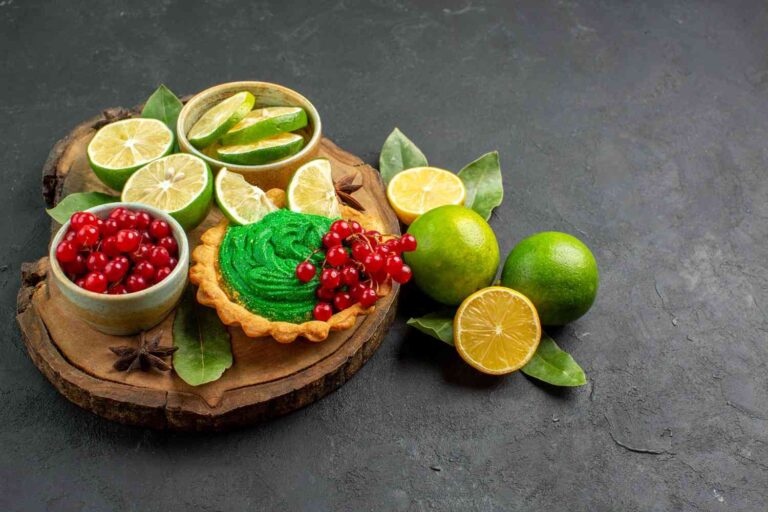
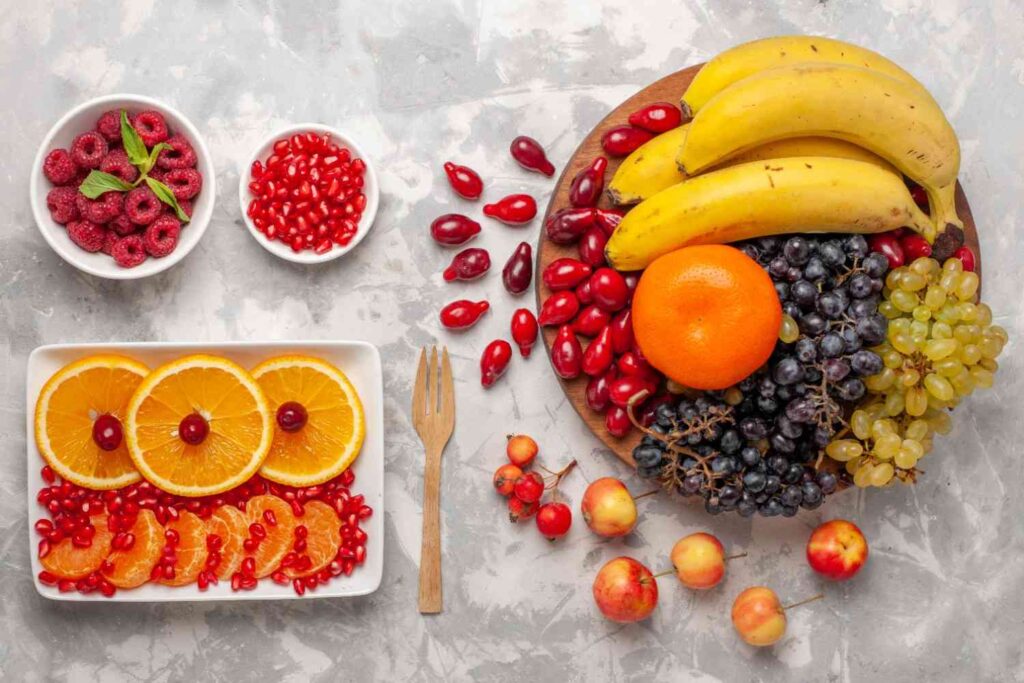
5. Citrus Fruits
Oranges, lemons, grapefruit, tangerines, limes—besides plenty of vitamin C, these fruits provide flavonoids to keep blood vessels strong, flexible, and protected from damage. Just double-check with your doctor if you’re on certain meds, as grapefruit doesn’t mix well with some prescriptions.
6. Berries
Blueberries, strawberries, raspberries, blackberries, cranberries—berries are full of antioxidants called anthocyanins, which support healthy blood vessels. They taste great, are loaded with fiber, and are low in calories. Top oatmeal or yogurt, blend into smoothies, or eat as a snack.
7. Pomegranate
Pomegranate’s bold color hints at the power inside: polyphenols and antioxidants that help relax blood vessels. Some research even links it to better nitric oxide levels. Sprinkle the seeds on salad or yogurt, or sip a little pomegranate juice.
8. Avocados
Avocados give you healthy fats and potassium, both good for blood pressure and vessel flexibility. Smear on toast, add to salads, whip into guacamole, or use in smoothies.
9. Nuts and Seeds
Walnuts, almonds, pistachios, chia, flax, sunflower, pumpkin seeds—a small handful every day delivers omega-3s, magnesium, vitamin E, and more. Throw them into salads, yogurt, or oatmeal for a crunch that helps your heart.
10. Tomatoes
Thanks to lycopene, tomatoes protect blood vessels from oxidative stress. Fun fact: cooked tomatoes often deliver more lycopene than raw ones. Enjoy in sauces, salads, soups, salsa, or roasted.
11. Watermelon
Watermelon contains citrulline, which your body turns into arginine—another ingredient for making nitric oxide. Since watermelon’s mostly water, it hydrates you too, which helps keep your blood moving.
12. Extra Virgin Olive Oil
Extra virgin olive oil is at the heart of the Mediterranean diet for a reason. It’s packed with healthy fats and antioxidants that keep blood vessels healthy and help manage cholesterol. It’s easy to drizzle oil over salads, veggies, pasta, or grilled meat.
Herbs That May Improve Blood Flow Naturally
Turmeric
Turmeric is famous for its golden color—and for curcumin, a compound that has antioxidant and anti-inflammatory perks. Add it to curries, soups, “golden milk,” or roasted veggies, and for best absorption, combine with black pepper and a healthy fat like olive oil.
Ginger
Ginger works behind the scenes for circulation and brings its own antioxidants to the table. Toss fresh ginger into tea, stir-fries, smoothies, and soups.
What to Eat Less Of
If you care about blood flow, it’s not just what you add—it’s also what you cut back on. Try to limit:
- Processed, packaged foods—usually high in salt, sugar, and unhealthy fats
- Sugary drinks—like soda or sweetened juices
- Fried foods—French fries, fried chicken, and the like
- Processed meats—think bacon, sausages, hot dogs, deli slices
- Alcohol—if you drink, stick to moderation
Sample Day: Meal Ideas for Better Blood Flow
Breakfast: Oatmeal with blueberries and walnuts, orange, green tea
Morning Snack: Apple with almonds
Lunch: Grilled salmon, spinach salad with tomato and avocado, olive oil & lemon dressing
Afternoon Snack: Greek yogurt with strawberries
Dinner: Roasted beets, brown rice, grilled chicken, steamed broccoli
Evening drink: Ginger tea or unsweetened herbal tea
Healthy Habits That Also Help
Let’s be real: food matters, but daily habits do too. Here’s what makes a real difference:
– Move often—aim for at least 30 minutes of activity most days
– Stay hydrated—keep your blood volume healthy
– Don’t smoke—it damages blood vessels, full stop
– Maintain a healthy weight
– Sleep well—shoot for 7-9 hours
– Keep stress in check—meditation, breathing, or yoga help
– Move around often enough, especially if you sit most of the day
Common Questions
Q. What foods boost blood flow the fastest?
Beets, leafy greens, garlic, watermelon, citrus, berries, fatty fish, and pomegranate are some of the best.
Q. Is garlic good for circulation?
Absolutely! Garlic contains allicin, which supports healthy blood vessels.
Q. Is turmeric good for circulation?
Turmeric’s curcumin supports healthy blood vessels thanks to its antioxidant strength.
Q. Which fruit is best for circulation?
Some top picks: blueberries, pomegranate, oranges, watermelon, strawberries, grapes, and kiwi. All are rich in vitamin C and antioxidants.
Q. Can food cure poor circulation?
No. Good food supports circulation, but it can’t cure disorders—see a doctor if symptoms stick around.
Final Thoughts
Healthy circulation is the key to getting oxygen and fuel to every corner of your body. No single food changes everything overnight, but a consistent, heart-friendly diet will make a real difference.
The best foods for blood flow are beets, garlic, fatty fish, leafy greens, citrus, berries, pomegranate, avocados, nuts, seeds, tomatoes, watermelon, and olive oil. These are loaded with nutrients that your blood vessels love.
Combine those foods with exercise, good sleep, proper hydration, stress management, and no smoking, and you dial up your heart and circulatory health for the long haul.
One last thing: don’t ignore serious symptoms like persistent leg pain, numbness, wounds that won’t heal, chest pain, or sudden weakness. Food is powerful, but medical care matters most when something’s wrong.
Keep making small, healthy choices every day—your blood flow, your heart, and the rest of your body will thank you for it.
References
- American Heart Association. Healthy Eating.
- National Heart, Lung, and Blood Institute (NHLBI). Heart-Healthy Living.
- Harvard T.H. Chan School of Public Health. The Nutrition Source – Healthy Eating Plate.
- National Center for Complementary and Integrative Health (NCCIH). Garlic: Usefulness and Safety.
Medical Disclaimer
This article shares information for educational purposes—it’s not medical advice, diagnosis, or treatment. If you have health questions or concerns, talk to a qualified healthcare professional. Don’t ignore or put off professional advice because of anything you read here.