Bite into a fresh lemon and it’s obvious—sour gets your attention right away. Your mouth floods, your lips pucker, maybe you even make a face. But sour isn’t just the land of lemons, limes, or those neon candies from the corner store.
Sour flavors show up everywhere. You’ll taste them in some fruits and veggies, creamy yogurts, briny pickles, tangy sauces, and drinks all the way around the globe. Some of these—citrus fruits, plain yogurt—are seriously good for you. Others, like sour candy, are more of a treat.
But what exactly makes something taste sour? And why do some foods feel sharp and tangy, while others just kind of tease your taste buds?
Let’s break it down: here’s a closer look at what causes sourness, where you’ll find it, how it’s different from “tart” or “tangy,” a bunch of classic sour foods and fruits, plus simple tips for working sour flavors into your own kitchen.
What Is “Sour,” Actually?
Sour is one of those tastes people recognize without having to think—the others are sweet, salty, bitter, and umami. Your tongue picks up on sourness when there’s acid in your food. Technically, when you eat something acidic, your taste buds react to hydrogen ions. Your brain then shouts, “Hey, that’s sour!”
That’s why things as different as lemon juice, vinegar, plain yogurt, tamarind, and sauerkraut all share that mouth-watering punch, even though they look and smell nothing alike.
Sour foods often make you salivate. Sometimes even imagining a lemon wedge is enough to set it off.
Why Are Some Foods Sour?
It comes down to acid. But not all acids are the same, and not every food carries the same amount. Plus, sugar, how ripe the food is, cooking time, or even the temp can change how sour something tastes.
Here’s a peek at some key acids that give foods their sour punch:
1) Citric Acid
Think citrus—lemons, limes, oranges, grapefruit, tangerines, pomelos. Citric acid’s bite is sharp and clean. Lemons and limes especially have a ton of it, which is why they call all the shots when it comes to sour flavor.
2) Malic Acid
This one’s the reason green apples taste tart. You’ll also find it in cherries, grapes, berries, and more. Some sour candies use malic acid to crank up the intensity.
3) Tartaric Acid
Grapes and tamarind carry tartaric acid. Tamarind is a great example of “sour but also sweet.”
4) Acetic Acid
You know this well—it’s basically what makes vinegar, well, vinegar. The sharp taste shows up in pickles, dressings, sauces, and plenty of foods that need a little preserving.
5) Lactic Acid
This is the softer sourness that turns up in yogurt, kefir, kimchi, sauerkraut, and other fermented bites. Lemon and yogurt both taste sour, but you’ll notice they feel totally different—a lot of that is the acid involved.
Sour Foods List: 30 Classic Examples
Looking past lemons? There’s no shortage of foods with a puckering kick.
Here’s a quick list to give you an idea:
| Sour Food | Taste |
|---|---|
| Lemon | Intense sourness |
| Lime | Also very sour |
| Grapefruit | Sour with a touch of bitter |
| Sour orange | Sharp, citrusy punch |
| Calamansi | Sour-sweet, small citrus |
| Kumquat | Tart skin, sweet inside |
| Tamarind | Classic sour-sweet |
| Green apple | Crisp and tart |
| Cranberries | Sharp, almost mouth-drying tartness |
| Gooseberries | Tart |
| Red currants | Tart |
| Sour cherries | Tart-sweet |
| Pineapple | Tart and sweet |
| Passion fruit | Tangy and sweet |
| Pomegranate | Sweet-tart |
| Kiwi | Tangy-sweet |
| Rhubarb | Super tart |
| Plain yogurt | Mild sour |
| Kefir | Tangy |
| Buttermilk | Gentle tang |
| Sour cream | Creamy and tangy |
| Sauerkraut | Sour and salty |
| Kimchi | Sour, spicy, and salty |
| Sourdough bread | Mild tang |
| Vinegar | Almost aggressively sour |
| Vinegar pickles | Sour and salty |
| Fermented pickles | Sour-salty |
| Sumac | Tart, lemony |
| Amchur | Fruity, tart |
| Tomato | Mild acidity |
One thing’s for sure: Just because it tastes sour doesn’t always mean it’s good or bad for you. Lemons are loaded with vitamin C. Sour candy? Not so much.
Sour Fruits—And Why Ripeness Matters
Looking for tartness in the produce aisle? Step right up:
- Lemons – hands down, the poster child for sourness, thanks to a ton of citric acid. Great for drinks, salads, marinades—you name it.
- Limes – right up there with lemons, super acidic.
- Grapefruit – sour, often with a little bitterness and a hit of sweetness.
- Tamarind – young tamarind is powerfully sour; as it ripens, it gets sweeter.
- Cranberries – fresh ones can be bracingly tart; most store-bought products add sugar to tame the bite.
- Green apples – classic crisp, tart flavor balanced by some sweetness (malic acid works overtime here).
- Sour cherries – noticeably more acidic than sweet cherries, often ending up in pies, sauces, or drinks.
- Gooseberries – some are through-the-roof tart, some go the sweet-tart route.
Other fruits that hit the sour or tart note: passion fruit, pineapple, kiwi, pomegranate, currants, some plums, sour oranges, kumquats, calamansi, unripe mango, blackberries, and certain strawberries.
A heads up: lots of fruits taste way more tart when they’re underripe. Give them time, and the sugars develop, mellowing the acidity.
Citrus: Not Always Sour
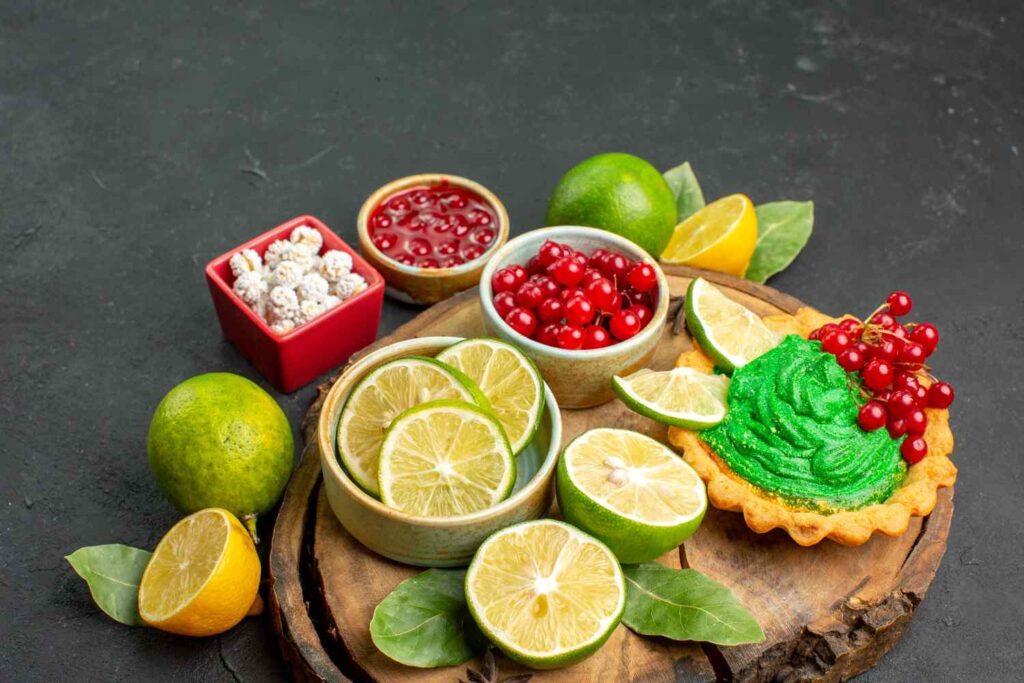
“Citrus” means any fruit from the citrus family—lemons, limes, oranges, mandarins, grapefruit, pomelos. But not all citrus is super sour. Some citrus fruits, like sweet oranges, lean further toward sugar. It’s all about how much acid vs. sugar is in the fruit.
Sour? Tart? Tangy? Breaking Down the Differences
People mix up “sour,” “tart,” and “tangy,” but each points to a specific feeling:
Sour – the straight shot of acidity (lemons, vinegar)
Tart – often acidic but with a little sweetness (green apples, cranberries, sour cherries)
Tangy – lively, sharp, but not always mouth-puckering (yogurt, pickles, mustard)
So: a green apple is tart (thanks to malic acid), lemon juice is straight-up sour, and plain yogurt is more tangy.
Sour vs. Bitter – Not the Same Thing
Sour is acidic. Citrus, vinegar, yogurt.
Bitter is a totally different beast—think black coffee, dark chocolate, kale, or arugula. And then there’s grapefruit, which can swagger across both territories at the same time.
Healthy Sour Foods and Snack Ideas
Craving something puckery? You don’t need to reach for the candy.
Try these instead:
Plain yogurt – tangy, great with fresh fruit. Watch for added sugars if you buy flavored kinds.
Citrus fruit – oranges, grapefruit, tangerines, limes—lot of flavor, plus fiber and vitamin C. Citrus fruits are also included among our foods that increase blood flow, along with berries, pomegranate, and other nutrient-rich foods.
Berries – cranberries, currants, blackberries. Tart but full of antioxidants.
Kefir and fermented foods – kimchi, sauerkraut, and pickled veggies. Tangy, plus natural probiotics, but keep an eye on the salt.
Want more ideas? Try green apple slices, Greek yogurt with berries, fresh kiwi, grapefruit wedges, pineapple cubes, pomegranate seeds, fruit salad topped with lime, cucumber with yogurt and lemon, or a veggie plate and yogurt dip. These satisfy a sour craving—no neon candy required.
So… Why Do Sweet and Sour Go So Well Together?
Because one balances out the other. Lemons are mouth-puckering. Add a touch of sugar? Suddenly, you’ve got lemonade. Sweet and sour is the secret behind all kinds of global classics—tamarind chutney, sweet-and-sour sauce, cranberry sauce, creamy yogurt with fruit, lemon bars, pineapple salsa.
What’s really happening? The sugar doesn’t kill the acid, but it tricks your taste buds into letting the pleasant flavors come forward.
A Few More Common Questions…
Q. What foods naturally contain citric acid?
All kinds of fruits, but especially citrus: lemons, limes, oranges, grapefruit, tangerines, pomelos. Packaged foods sometimes add extra citric acid—check the label.
Q. What’s sour powder?
Usually, it’s mainly citric and malic acid. Sometimes you’ll see “sour salt”—that’s just food-grade citric acid crystals. Always use food-safe products when cooking.
Q. What’s the absolute sourest food in the world?
There’s no single winner. It depends on how much acid is in the food, how ripe it is, the sugar level, and even your own taste buds. Runners-up for world’s sourest? Lemon, lime, unripe tamarind, rhubarb, sour plums, and certain wild berries.
Q. Why do I sometimes crave sour foods?
It’s usually about taste preference, culture, habits, maybe a memory. Rarely, cravings point to a health problem, but if yours is sudden, extreme, or weirdly persistent (or comes with other symptoms), check with a healthcare pro.
Q. Will eating sour foods ruin my teeth?
Some sour foods are acidic enough to wear down enamel if you eat a lot, often—especially sour candies loaded with acid and sugar. But citrus fruit, yogurt, and other healthy foods aren’t a problem if you brush, rinse your mouth with water, and avoid sucking on lemon slices all day long.
Messing Up a Recipe? Here’s How to Fix Over-Sour Food
Went a little wild with lemon, vinegar, or tamarind? Try this:
- Add a bit of sweetness—sugar or honey can help.
- Dilute it—use more liquid or extra unsoured ingredients (especially for soups or sauces).
- Fat smooths things out—cream, coconut milk, or butter.
- Scale up the recipe—add more of the other components to balance the acid.
- Always taste as you go. Overshooting with the sugar just trades one problem for another.
Final Thoughts
Sour foods make life interesting—there’s way more out there than just lemons and candy. Fruits, yogurt, vinegar, pickles, tamarind, even sourdough—all deliver that mouth-puckering, bright kick in different ways. It’s all about the acids—citric, malic, tartaric, acetic, lactic—and how much sugar you have alongside. A lemon can make you wince; a pineapple might make you smile.
Craving sour? Reach for fruit and yogurt first—they’re tasty, healthy, and don’t hammer your teeth with acid. Sour treats have their place, but nothing beats the real thing.
And here’s the main takeaway: Sour isn’t “just” one flavor. It’s a whole spectrum. A grapefruit can be bitter-sour, a green apple can be sweet-tart, yogurt’s creamy and tangy. That’s what makes sour meals memorable—a dash of acid can totally transform a simple dish.
References
Medical Disclaimer
This article shares information for educational purposes—it’s not medical advice, diagnosis, or treatment. If you have health questions or concerns, talk to a qualified healthcare professional. Don’t ignore or put off professional advice because of anything you read here.