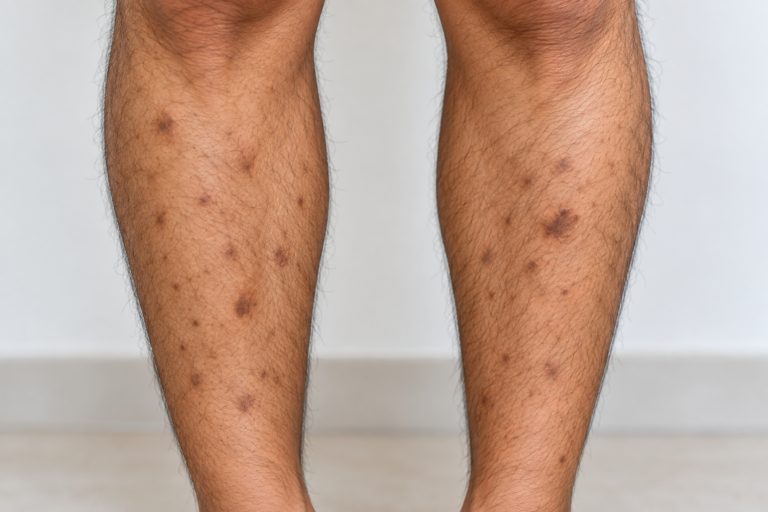
Lipotropic injections—sometimes called lipo shots, MIC injections, B12 shots, Lipo-B injections, Lipo-Mino shots, skinny shots, or fat-burning shots—have picked up a lot of buzz lately at weight-loss clinics, med spas, and wellness centers. The sales pitch is usually the same: these injections are supposed to boost your metabolism, amp up your energy, help your liver work better, and make losing weight easier.
But do they actually help you shed pounds? That’s where things get tricky.
Yes, these shots contain nutrients your body uses for metabolism. But there’s not much reliable evidence that simply injecting these nutrients—as most clinics do—leads to meaningful weight loss on its own.
That doesn’t mean all lipotropic injections are a waste of time, though. The real takeaway: you should know exactly what’s in your injection, what each ingredient does, what you can realistically expect, and what risks you’re signing up for.
What Are Lipotropic Injections?
A lipotropic injection is basically a shot that delivers nutrients directly into your body—nutrients connected to things like fat metabolism, liver health, energy production, and methylation.
The label “lipotropic” means these substances help your body process or move fats around. But don’t assume every “lipo shot” is the same. One clinic might combine different ingredients or doses than the next, even if both say “Lipo B” or “skinny shot” on the menu.
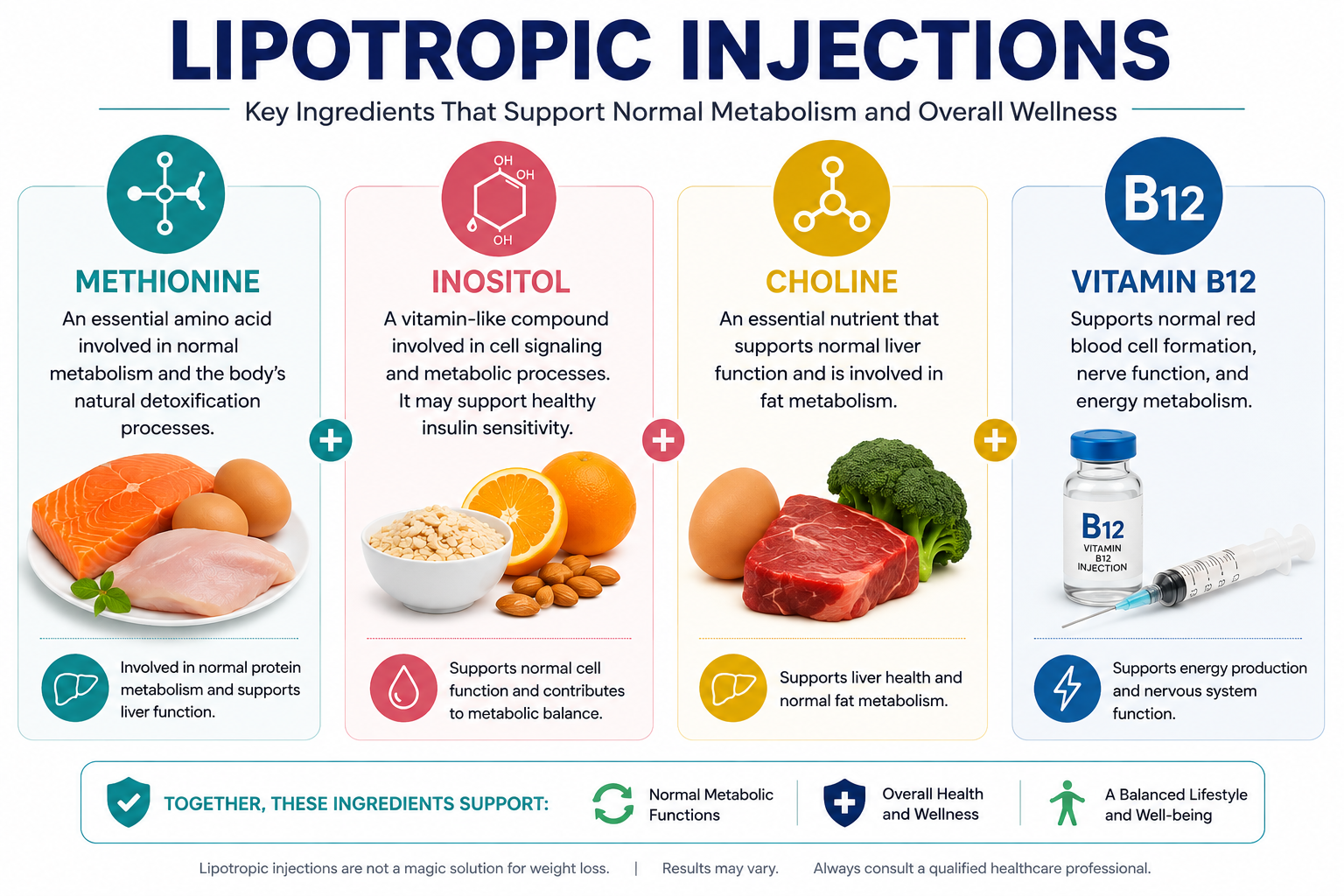
The most common formula you’ll run into is an MIC injection. “MIC” usually stands for methionine, inositol, and choline—three nutrients tied to metabolism. Most clinics add vitamin B12, and sometimes you’ll see extra ingredients like L-carnitine, B6, folate, niacin, or other B vitamins and amino acids.
What Are Lipo B12 Injections?
A “Lipo B12 injection” is just a blend of vitamin B12 plus one or more of those lipotropic nutrients. Usually, that means methionine, inositol, choline, and B12 together—the classic “MIC-B12” shot.
There’s a whole parade of branded options: Lipo B, Lipo C, Lipo-Mino, Lipo Plus, Lipolean, Lipoplex, Lipoden, Lipovite, Lipo Extreme, Super MIC, Skinny Shot… the list goes on. These names don’t guarantee you’re getting the same ingredients or doses. Always ask your provider exactly what’s in your shot, how strong the dose is, and why they’re recommending it.
Lipotropic Injection Ingredients
Here’s a quick breakdown of what you’ll find most often in these shots:
1) Methionine
An essential amino acid your body needs for various processes, including metabolism. The logic goes: “If it’s important for fat metabolism, adding more might boost fat loss.” But your body doesn’t work like a math equation—injecting extras doesn’t mean you’ll suddenly start burning fat faster.
2) Inositol
A vitamin-like compound that’s part of cell signaling and other metabolic stuff. Again, just because inositol is involved in metabolism doesn’t mean more of it makes fat disappear.
3) Choline
This essential nutrient keeps your liver and nervous system healthy and helps manage fats in your body, which is why it’s called “lipotropic.”
4) Vitamin B12
Probably the most common ingredient. Good for nerves, blood, DNA, and vital for people who are actually B12 deficient. But if your B12 levels are already normal, there’s no proof that a shot will turn you into a fat-burning machine.
5) L-Carnitine
Some lipotropic blends include L-carnitine, which moves fatty acids into parts of your cells where they can turn into energy. Companies love to hype this as a fat burner, but taking (or injecting) extra L-carnitine hasn’t actually shown strong results for weight loss in studies.
How Do Lipotropic Injections Work?
The pitch is usually that these shots deliver nutrients your body uses for metabolism, and that should—supposedly—help your body burn fat, boost energy, help your liver, and support weight loss, especially if you’re dieting.
But there’s a difference between your body needing a nutrient and proving that extra amounts lead to weight loss. Think of it this way: your car needs oil, but adding more doesn’t make it go faster.
If you’re already getting enough of these nutrients, flooding your system with more won’t magically make fat melt away.
Do Lipotropic Injections Work?
Here’s the million-dollar question.
Right now, there’s not strong evidence that standard MIC or B12 lipotropic injections lead directly to meaningful weight loss. People do lose weight while getting these shots, but usually, they’re also dieting, exercising more, cutting out sugary drinks, or making other healthy changes.
So if you see dramatic stories or “before and after” photos online—including those classic “I lost 15 pounds on lipo shots” testimonials—just remember, you’re not seeing the whole picture. There’s usually more going on.
How Much Weight Can You Lose With Lipotropic Injections?
There’s no scientific answer like, “Take this many shots, lose this many pounds.” Weight loss depends on many factors, including how much you eat, how active you are, your genetics, sleep, medical conditions, medications, and even stress.
So, you might lose 10 or 15 pounds while getting these shots, but the injections could be just one small part of a bigger weight-loss plan. As your overall body weight changes, you may also notice changes in facial fat and facial appearance.
Potential Benefits of Lipotropic Injections
The only clear, proven benefit? Fixing a real nutrient deficiency.
If you’re low on vitamin B12 (which a doctor can test), getting treated is important. The same goes for other nutrients you’re actually missing out on, maybe because of digestion issues, certain diets, or medical problems. Fixing deficiencies can improve energy, health, and how your body works.
But that’s different from using these shots as a magic solution for weight loss—especially if your nutrient levels are already fine.
Do B12 Shots Help With Weight Loss?
A lot of clinics claim B12 is some kind of fat burner. But if you already have enough B12, there’s no solid proof that taking even more will make you lose weight.
If you are B12 deficient, getting injections can help you feel better and rebalance your body, but that’s about fixing the deficiency—not “burning fat.”
Lipotropic Injections Before and After—What’s Real?
You can find loads of success stories online, but testimonials are almost always incomplete. Maybe the person started exercising, ate healthier, or changed their routine at the same time. That makes it impossible to give all the credit to the injection.
Before-and-after photos might be motivating. They’re not proof.
Lipotropic Injection Side Effects
Possible side effects usually depend on what’s in the shot, the dose, how it’s given, and your own health.
Here are some things people report: soreness, redness, itching, bruising at the spot, swelling, headaches, stomach upset, allergic reactions, ingredient reactions, infections from poor injection technique, and interactions with medications or supplements. Since formulas vary so much, there’s no universal list. Always ask about possible risks for your specific injection.
Are Lipotropic Injections Safe?
Safety depends on the details—what’s in the shot, how much, how it’s made and stored, and who’s giving it. A regular B12 injection is usually considered safe when medically necessary. But a shot that mixes lots of things together (like a Lipo B12 shot) isn’t automatically “safe for everyone.”
You should be extra cautious if you’re pregnant, breastfeeding, have kidney or liver problems, allergies, take lots of supplements or prescriptions, or if you’ve had bad reactions to shots before. And just because something “has vitamins” doesn’t mean it’s risk-free.
Do Lipotropic Injections Hurt?
Most people feel a quick pinch or sting. Sometimes your skin gets sore or red for a little while. But if you have intense pain, a hot or swollen spot, drainage, fever, or a lump that keeps growing, call your doctor.
Where to Inject Lipotropic Shots
It depends on the formula. Some shots go into muscle (like your upper arm, thigh, or butt), others might go somewhere else. Don’t pick a spot because you saw it on YouTube. The provider should explain proper technique and where your shot goes.
How Often Should You Get Lipotropic Injections?
There’s no one-size-fits-all answer. Some places suggest weekly, others twice a week, or whatever fits their program. Keep in mind: more frequent doesn’t mean better or more effective.
B12 Lipotropic Injections Frequency
For real B12 deficiency, your doctor will follow a set schedule, which likely isn’t the same as most “weight loss programs” at clinics.
How Many Lipotropic Injections Do You Need?
There isn’t a magic number. If someone insists you need exactly 6, 8, or 12 shots to lose weight, ask what evidence supports that claim. Better to ask: What are we hoping to accomplish? How will you know it’s helping? What’s our plan if it doesn’t work?
How Much Do Lipotropic Injections Cost?
Prices vary—a lot. It depends on the clinic, what’s in the shot, where you live, and if you’re paying for a whole “weight loss package.” Ask for a full breakdown: Are there consultation or lab fees? How much per shot? Any follow-up or membership fees? What’s the real total per month?
A cheap shot isn’t cheap if you have to keep going back every week.
What’s the Difference Between Lipolean, Lipo-Mino, Lipoplex, and Lipo Plus?
You’ll see all kinds of brand names thrown around: Lipolean, Lipo-Mino, Lipoplex, Lipo Plus, Lipo Extreme, and on and on. Don’t assume two products with “lipo” in the name are identical. Ingredients, doses, quality, and how they’re given can all change. Always read the fine print on what you’re actually getting.
Lipotropic Injections vs. Fat-Dissolving Injections
These aren’t the same thing. Lipotropic injections usually contain nutrients—things like MIC compounds or B12. Fat-dissolving injections are meant to break down fat cells in a very specific spot (like under your chin or in “problem” areas).
A regular MIC or B12 shot doesn’t “melt away” belly fat. If a clinic claims otherwise, ask exactly what medication they’re using and what it’s meant to do.
Can Lipo Shots Target Belly Fat?
Nope. You can inject a shot into your stomach, but that doesn’t mean it’ll burn fat right there. Fat loss is controlled by your whole body. You can’t choose where it disappears first.
Can You Buy Lipotropic Injections Online?
You’ll find plenty of sites selling these, but buyer beware. With injectables, you need to know they’re stored and handled safely, prepared properly, and aren’t expired or contaminated. A slick website is no guarantee. If you’re using anything at home, make sure it’s been prescribed and explained by a real medical professional.
Questions to Ask Before Getting a Lipo Shot
Don’t be shy. Here are some smart questions:
- What’s actually in this shot?
- How much of each ingredient does it have?
- Why do you think I need it?
- What proof is there that it works?
- What side effects do I need to watch for?
- Could it interact with my meds or health conditions?
- Who made or prepared this injection?
- How often will I need it?
- What does it all cost, in total?
- How will we track whether it’s working?
A trustworthy provider will give you straight answers.
Frequently Asked Questions
Q. What does a lipotropic do?
It helps your body move or process fats—but just being involved in fat metabolism doesn’t mean an injection causes you to lose body fat.
Q. What is a MIC shot?
It’s usually methionine, inositol, and choline—sometimes with B12 or other nutrients added.
Q. Do lipo shots really work?
They give you nutrients your body uses, but there’s little proof that they create big weight loss by themselves.
Q. What does a Lipo B shot do?
Usually supplies B vitamins (like B12) and other lipotropic nutrients, but formulas differ.
Q. Are B12 lipo shots safe?
Depends on the exact ingredients, how much you’re getting, your health history, and who’s giving the injection.
Q. Do lipotropic injections suppress appetite?
Most standard shots aren’t appetite suppressants. Ask if anything’s been added.
Q. How fast do lipotropic injections work?
There’s no set timeline—if you see results, other changes probably mattered more.
Q. Are lipotropic injections effective?
Not as stand-alone treatments for weight loss; prescription weight-loss medications have more proof behind them.
Q. Do lipo shots help you lose weight?
Maybe indirectly—most people get results from diet, exercise, and lifestyle changes happening at the same time.
Final Thoughts
These shots offer real nutrients your body uses—like methionine, inositol, choline, B12, L-carnitine, and other vitamins or amino acids. But there’s no strong evidence that standard formulas (“MIC,” Lipo B, Lipo-Mino, Lipolean, B12 lipotropic injections) trigger major weight loss by themselves.
If you’re actually deficient in something (like B12), treatment can definitely help. Outside of that, don’t expect miracles—especially if your routine and diet stay the same.
Use lipotropic injections with a clear plan: What’s in it? Why are you getting it? What will it cost? Are there any real risks for your health? What are you hoping to accomplish?
And don’t let flashy before-and-after shots or promises of “melted belly fat” sell you on something your body doesn’t need. Good nutrition, regular exercise, enough sleep, managing your health issues, and consistency will always matter more than any trendy injection.
Get the facts, ask questions, and make sure you know what’s going into your body.
References
- Mayo Clinic.
Vitamin B-12 injections for weight loss: Do they work?
- National Institutes of Health (NIH), Office of Dietary Supplements.
Vitamin B12 – Fact Sheet for Health Professionals
- U.S. Food and Drug Administration (FDA).
Using Fat-Dissolving Injections That Are Not FDA Approved Can Be Harmful
- Medical News Today.
What to Know About Lipotropic Injections
- Healthline.
Everything You Need to Know About Lipotropic Injections
- Centers for Disease Control and Prevention (CDC).
Steps for Losing Weight
Medical Disclaimer
This article shares information for educational purposes—it’s not medical advice, diagnosis, or treatment. If you have health questions or concerns, talk to a qualified healthcare professional. Don’t ignore or put off professional advice because of anything you read here.