If your lower back pops up during leg raises, your hips click every time you do flutter kicks, or you churn through 50 reps with zero burn in your abs, you’re definitely not the only one. Working the lower abs seems straightforward, but a lot of tiny mistakes shift the work somewhere else—usually straight into your hip flexors.
Let’s clear things up. I will explain what lower abs actually are, how to train them right, which moves are good for beginners or experienced folks (whether you’re at home or in the gym), plus three routines, progression tips, and safer options if your back feels sensitive.
Here’s the first thing you need to know: You can’t totally isolate the bottom part of your abs—it’s just one long muscle. And endless ab exercises won’t magically melt lower-belly fat. But you can pick movements that force the lower section of your rectus abdominis and other deep core muscles to work hard, especially anything that makes you control your pelvis as your legs move.
What Are the Lower Abs?
“Lower abs” is really just gym slang. There’s no separate muscle there. The visible “six-pack” is the rectus abdominis, running from your ribs down to your pelvis, with tendinous bands chopping it into those famous blocks—sometimes six, sometimes eight, depending on your anatomy (not your effort).
The lower core involves much more: your transverse abdominis, internal and external obliques, diaphragm, pelvic floor, and other nearby muscles that help control your spine and hips. They all chip in together. Studies show different tasks light up different regions of your abs, but your “lower abs” aren’t a standalone switch (think less “downstairs light,” more “dimmer knob”).
So what actually targets the lower abs? Movements where you:
- Pull your pelvis toward your ribs (reverse crunch).
- Keep your lower back flat as your legs move (dead bug, leg lower).
- Hold your trunk steady while gravity—or weight—tries to pull it out of shape (body saw).
- Control rotation or side-bending (training the obliques and deep core).
How to Actually Engage Your Lower Abs
Before trying the harder stuff, nail this basic skill. Lie on your back, knees bent, feet on the floor. Exhale slowly, like you’re fogging up a mirror. Let your ribs settle down, gently brace the area under your belly button, and tip your pelvis till your lower back feels heavy against the mat. Keep breathing—no sucking your stomach in.
Now, lift one foot just a few centimeters. If your back arches or your ribs flare, put the foot down and reset. This simple drill teaches you the main job your lower abs play in most exercises.
Use these tricks for lying-down ab moves:
- Keep your ribs down—don’t let them puff up.
- Imagine pulling your belt buckle toward your ribs—small pelvic curl, not a big hip swing.
- Exhale on the hardest part—long breaths make bracing easier.
- Only move as far as you can control. Short and clean beats wild and sloppy.
- Slow it down. If momentum is doing the work, your abs are basically checked out.
The 15 Best Lower Ab Exercises
There’s no magic exercise that works the lower abs for everyone. The best move is the one you can control, build up over time, and do without pain.
1. Heel Slide
Perfect if you’re just getting started or want to learn pelvic control. Lie down, knees bent. Brace lightly, slide one heel away without letting your back arch. Switch sides. 8–12 reps each side. Make it easier by shortening the slide; harder by hovering the heel.
2. Dead Bug
Great for building lower core strength without crunches. Lie on your back, knees and hips at 90°, arms up. Exhale, lower opposite arm and leg, come back. 6–10 slow reps per side. Don’t overreach—stop when your trunk position slips.
3. Bent-Knee Toe Tap
Tabletop position. Drop one foot to lightly tap the floor, return. Alternate for 10–16 reps. Awesome for beginners because bent knees take the pressure off.
4. Reverse Crunch
Lie flat, knees above hips. Exhale and curl your tailbone gently off the mat to pull your pelvis toward your ribs, then lower slowly. 8–15 reps. Keep it slow—don’t swing your legs.
5. Marching Glute Bridge
Lift into a bridge, squeeze your glutes, keep pelvis level while you march your feet. 6–10 reps per side. Trains core and glutes together, good when crunching feels bad.
6. Single-Leg Lower
Lie down, both legs above hips. Lower one leg slowly while keeping the other still. Switch sides. Bend knees if you need. 6–10 per side. If your back pops up, you went too low.
7. Leg Lowers (Leg Drops)
Lift both legs, soften your knees, lower them in a controlled range. Exhale as you bring them back. 6–12 reps. Harder than they look—hands under your pelvis help, but a smaller range is better.
8. Seated Leg Tuck
Sit on a bench, lean back, hold the sides. Extend your legs, then pull your knees in. 8–15 reps. Don’t round your shoulders or jerk back.
9. Bear Plank Knee Hover
Hands and knees, toes tucked, lift knees a couple centimeters off the ground. Keep back flat, breathe for 10–30 seconds. Trains the lower core without bending.
10. Slow Mountain Climber
High plank, bring one knee toward your chest without bouncing. Pause, return, switch. 8–12 reps each side. Slow is better for control—fast reps are more cardio, not necessarily more abs.
11. Hanging Knee Raise
Hang from a pull-up bar, draw ribs down, raise bent knees, finish with a small backward pelvic curl. Lower without swinging. 6–12 reps. If your grip fails, use a captain’s chair.
12. Hanging Leg Raise
Advanced version. Straighter legs, more control. Don’t swing. 5–10 good reps.
13. Stability-Ball Knee Tuck or Pike
Shins on a stability ball in plank. Draw knees to chest, or keep legs straight and lift hips for a pike. 6–12 reps. Strong ab activation.
14. Ab-Wheel Rollout
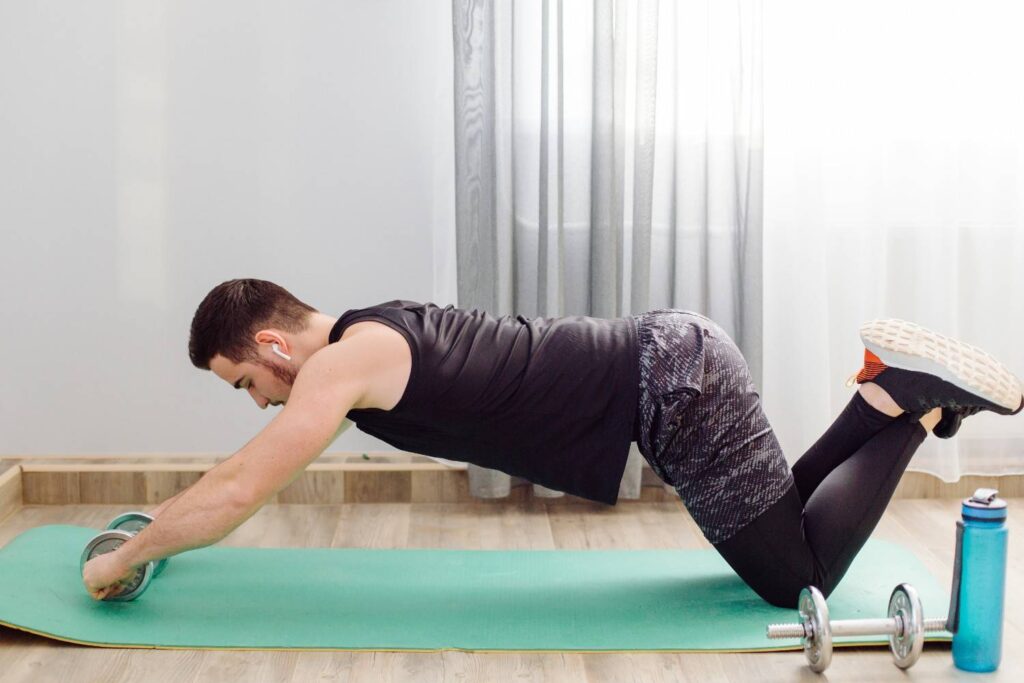
Kneel, wheel under shoulders, glutes squeezed, ribs down, roll forward only as far as you can control. Pull back with trunk and shoulders. 5–10 reps. Use a wall to limit squishy range.
15. Dragon Flag Progression
Advanced (popular in martial arts). Lie on a sturdy bench, hold behind your head, lift body so weight rests on upper back—not neck—lower yourself as a firm line.
Build up with:
– Reverse crunch
– Bent-knee hip lift
– Tucked dragon flag negative
– One-leg-extended negative
– Full dragon flag negative, then full reps
3–6 controlled reps. If you can’t keep your back position or your neck feels weird, skip these.
Lower Ab Workouts With Weights
Body weight gets you far, but weights make progress easier to track. Try:
- Dumbbell dead bug: Hold a dumbbell overhead, alternate legs.
- Weighted reverse crunch: Hold a light ball between knees or use ankle weights—don’t add load until your pelvic curl is solid.
- Cable reverse crunch: Ankle straps + low cable. Light load, focus on pelvis not just knees.
- Suitcase carry: Walk holding a heavy dumbbell on one side, stand tall, don’t lean, builds deep core and obliques.
- Half-kneeling Pall of press: Press a cable or band away from your chest, resist rotation.
- Weighted hollow hold: Plate overhead if your back stays controlled.
Three Complete Lower Ab Workout Routines
Train your core two or three days a week, skipping days in between. Always leave a couple reps in the tank as you learn—quality first.
Beginner 10-Minute Lower Core Workout
Two rounds, 20–40 secs rest between exercises:
– Heel slide: 10 per side
– Bent-knee toe tap: 10 per side
– Reverse crunch: 8–12 reps
– Bear knee hover: 15–25 seconds
Works great at home—just use a firm mat instead of a soft bed. If you need gentler options, focus on breathing, heel slides, and bent-knee marches—skip unstable moves.
Intermediate Lower Abs and Oblique Workout
Three rounds, 45–60 secs rest after each:
– Dead bug: 8 per side
– Reverse crunch: 12 reps
– Slow mountain climber: 10 per side
– Side plank: 20–40 secs per side
– Single-leg lower: 8 per side
Mixes flexion, anti-extension, anti-side-bending—no endless leg raises.
Advanced Weighted Lower Ab Workout
Three or four sets per exercise, 60–120 secs rest:
– Hanging knee or leg raise: 6–10 reps
– Ab-wheel rollout: 6–10 reps
– Dumbbell dead bug: 8 per side
– Heavy suitcase carry: 20–40 meters per side
– Dragon flag negative: 3–5 reps
Don’t do this after heavy squats/deadlifts if your trunk is exhausted.
How to Progress Without Endless Reps
Once you hit the top of a rep range with good form, just tweak one thing:
- Add a rep or two.
- Slow the lowering phase.
- Pause at the hard spot.
- Slightly increase range.
- Straighten your legs.
- Add a bit of weight.
- Switch to a tougher exercise.
Write down your variation, reps, and whether your back stayed steady. That log tells you more than soreness ever will. Progress matters more than chasing “perfect” programs.
Can Lower Ab Exercises Flatten a Lower-Belly Pooch?
Lower ab moves build muscle under the belly, not fat loss. One study showed six weeks of ab exercises boosted endurance but didn’t drop belly fat. Another 2023 trial hinted at local fat use after a specialized protocol, but it doesn’t mean regular crunches shrink anyone’s lower stomach. Don’t rely on spot reduction.
If you want visible abs, combine strength training, regular activity, proper post-workout nutrition, adequate sleep, and an eating routine that supports sustainable fat loss. Most adults need 150 minutes per week of moderate aerobic activity, plus muscle-strengthening activity twice a week.
A lower belly can look rounded for all sorts of reasons: normal fat, skin, posture, bloating, pelvic structure, pregnancy changes. Women don’t need a secret set of “female lower ab” moves—the same rules apply. The best exercise is the one that fits your ability, comfort, goals, and health.
Common Mistakes That Make Lower Ab Workouts Less Effective
1) Letting Your Back Arch
Usually means the exercise or range is too hard. Bend your knees, shorten the movement, or pick a dead bug variation.
2) Pulling With Hip Flexors
Hip flexors are part of leg lifts—it’s not automatically bad. But you want pelvic control. Exhale, ribs down, little pelvic curl.
3) Using Momentum
Swinging finishes reps but doesn’t boost ab tension. Pause between reps, lower slowly.
4) Only Training the Front
Strong cores resist rotation and side-bending. Mix in side planks, Pall of presses, carries, squats, hinges, rows.
5) Doing Abs Every Day
Abs need recovery too. Two or three focused sessions are plenty, especially if you already squat, carry, run, row, or play sports.
6) Trying to Tighten Loose Skin
Exercise can build muscle and change your body, but it doesn’t shrink loose skin. Watch out for wild claims about “tummy skin tightening.” Don’t let anyone sell you a miracle.
Back-Friendly Options and When to Stop
If your lower back hurts after exercise, don’t keep pushing. Switch to heel slides, dead bugs, bird dogs, short bear holds, glute bridges, or Pall of presses. Avoid deep leg lowers or dragon flags until you can control easier versions.
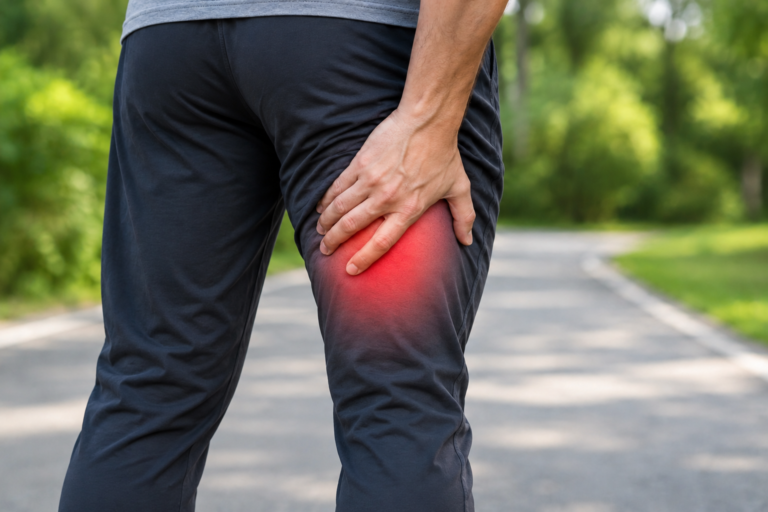
Stop and get medical advice if pain is sharp, sudden, severe, sticks around, follows an injury, comes with fever, vomiting, swelling, new bulge, weakness, numbness, changes in bowel/bladder, bleeding, or possible pregnancy. Lower ab pain during exercise isn’t some badge of progress.
If your hip pops but there’s no pain, shorten the range, slow down, try bent knees. If it’s painful, locks up, or gets worse, have it checked out.
FAQ
Q. How do I get lower abs to show?
Grow the muscles with resistance, and if it’s safe for you, work on losing body fat with sustainable nutrition and whole-body activity. Genetics and other factors affect how—and when—your abs pop out. Visible abs aren’t required for health.
Q. What exercise hits the lower abs best?
For most beginners, reverse crunches teach pelvic motion with manageable challenge. Dead bugs are great for resisting back arching. Advanced? Hanging raises, rollouts, dragon flags. Best is whatever you progress with safely.
Q. Do decline sit-ups work lower abs?
They work your rectus abdominis and hip flexors. Not just the bottom. Use them if they feel comfortable, but reverse crunches and controlled leg moves may teach you better pelvic control.
Q. Are leg exercises also ab exercises?
Squats and lunges make your core stabilize your trunk, but don’t replace direct core work. Hanging knee raises and leg lowers push your abs harder because you control pelvis as legs move.
Q. Will running give me abs?
Running builds your core in a roundabout way and helps with fat loss, heart health, and fitness. It won’t build your abs as directly as resistance training. Do both if you like.
Q. How fast can I strengthen my lower core?
Most people notice more control in a few weeks. Visible change is slower and depends on your starting point, training, nutrition, rest, and consistency—not a fixed timeline.
Q. Should I stretch my lower abs?
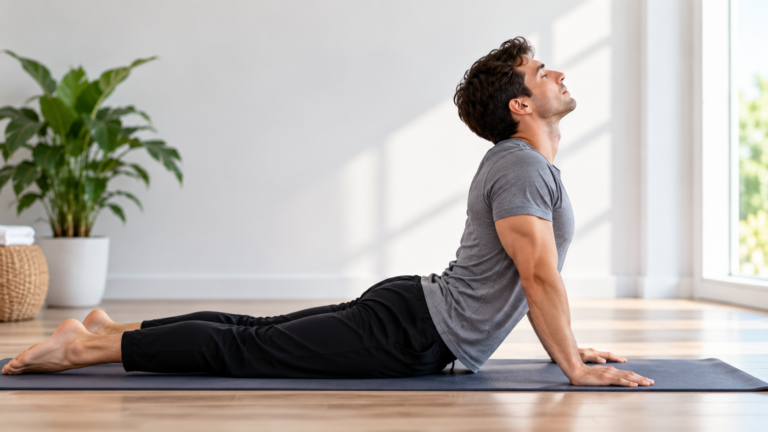
Gentle stretches, like a prone press-up or standing reach, can feel good after training. But stretching isn’t mandatory, and don’t force deep abdominal stretches. Pain? Stop and get checked.
Q. Can I do lower ab workouts during pregnancy or after birth?
Exercise can help, but you need to match the workout to your situation, symptoms, delivery, and medical guidance. Always check with a professional if there’s pain, bleeding, doming, known complications.
The Bottom Line
You don’t need a dozen flashy moves for great lower ab workouts. Pick one that curls your pelvis, one that fights back extension, one that challenges side/rotational control. Do quality reps a couple times a week. Progress slowly, and stop if your back position or breathing collapses.
Start with heel slides, dead bugs, and reverse crunches. Build up to leg lowers, hanging raises, rollouts, and dragon flags only once you’ve got the control. Patience builds strong lower abs—not beating up your hip flexors and crossing your fingers.
References
- National Center for Biotechnology Information.
Anatomy, Abdomen and Pelvis: Abdominal Wall
- Sarti MA, Monfort M, Fuster MA, Villaplana LA.
Muscle activity in upper and lower rectus abdominis during abdominal exercises
. Archives of Physical Medicine and Rehabilitation. 1996. - Escamilla RF, Lewis C, Bell D, et al.
Core muscle activation during Swiss ball and traditional abdominal exercises
. Journal of Orthopaedic & Sports Physical Therapy. 2010. - Vispute SS, Smith JD, LeCheminant JD, Hurley KS.
The effect of abdominal exercise on abdominal fat
. Journal of Strength and Conditioning Research. 2011. - Brobakken MF, Nygård M, Güzey IC, et al.
Abdominal aerobic endurance exercise and spot reduction
. Physiological Reports. 2023. - Centers for Disease Control and Prevention.
Adult Activity: An Overview
- American College of Sports Medicine.
Updated Resistance Training Guidelines
- University Hospitals Sussex NHS Foundation Trust.
Abdominal Pain: When to Seek Urgent Help
Medical Disclaimer
This article shares information for educational purposes—it’s not medical advice, diagnosis, or treatment. If you have health questions or concerns, talk to a qualified healthcare professional. Don’t ignore or put off professional advice because of anything you read here.